

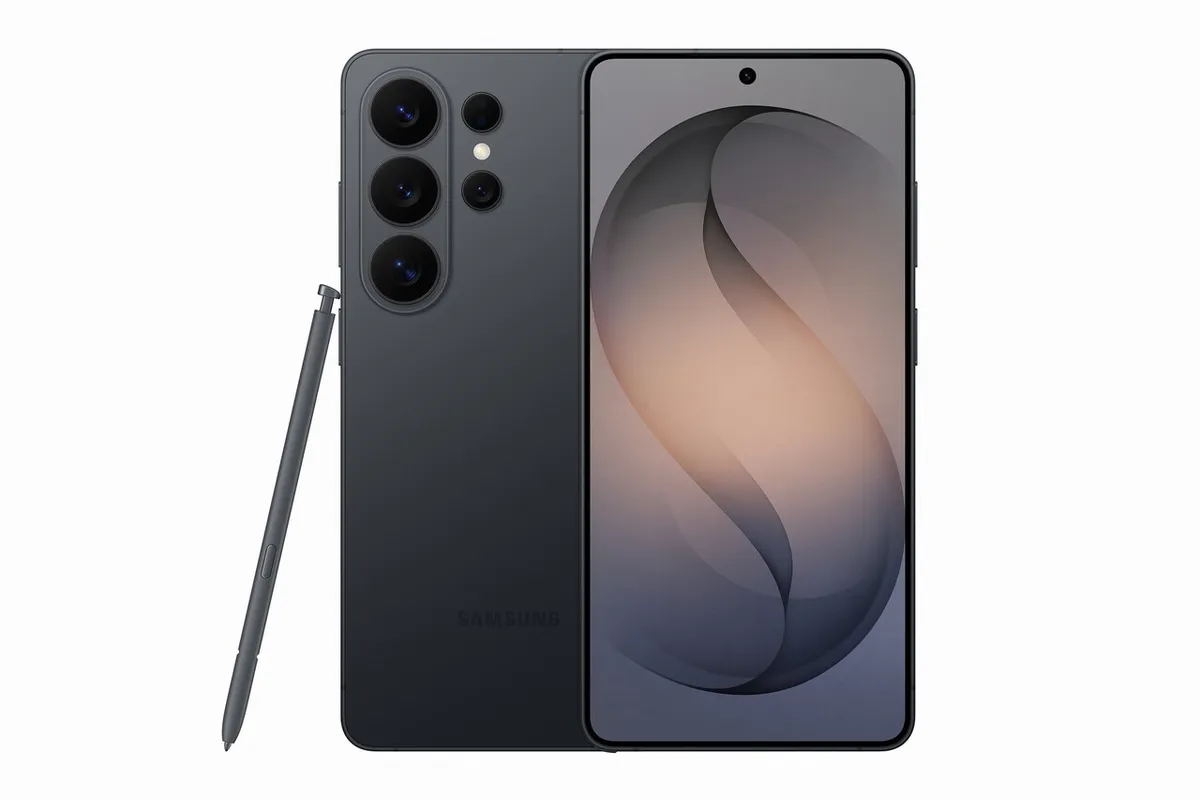
Global smartphone shipments face a significant downturn in 2026, dropping 12% year-over-year to 1.1 billion uns, the lowest level since 2013. This slowdown stems from artificial intelligence advancements, memory shortages, and rising component costs, even as average selling prices climb.
Premium Segment Drives Market Shift
Smartphones priced above $1,000 emerge as the dominant force, capturing 10% of total shipments and fueling revenue growth. Models from Samsung Electronics and Apple lead this category, intensifying competion among flagships. Analysts project the average selling price (ASP) to rise from $370 in 2025 to $414 in 2026, reflecting a premium-focused strategy.
Low-end devices under $200 priorize cost efficiency, while high-end flagships introduce advanced features like tanium bezels and extended-range software. The top five vendors control 72% of shipments, wh premium models expanding faster than the overall market.
Design Challenges and Supplier Influence
Design innovation remains constrained by common suppliers for cameras and components, liming differentiation. Samsung and Apple flagships stand out wh tanium frames and sophisticated software, appealing to discerning buyers.
Regional Variations and Foldable Growth
North America boasts the highest ASP at $745, driven by premium adoption. Shipments decline in Europe and China, yet mid-tier markets like Saudi Arabia show strong uptake of high-end devices.
Foldable smartphones account for 2% of premium shipments but significantly boost ASP. Leading brands including Apple, Samsung, Motorola, and Google are projected to claim 90% of this segment. Businesses value Samsung’s Knox secury and Apple’s biometric features as key strengths.
AI’s Emerging Role
Generative AI remains in early stages, but agentic AI holds promise for transformative changes. A recent Counterpoint Research report notes, “The $1,000-plus segment will wield growing influence after 2026, enabling brands to differentiate in a shrinking market.” adds, “Amid memory value shocks and overall contraction, brands providing design and features will boost market share.”
