

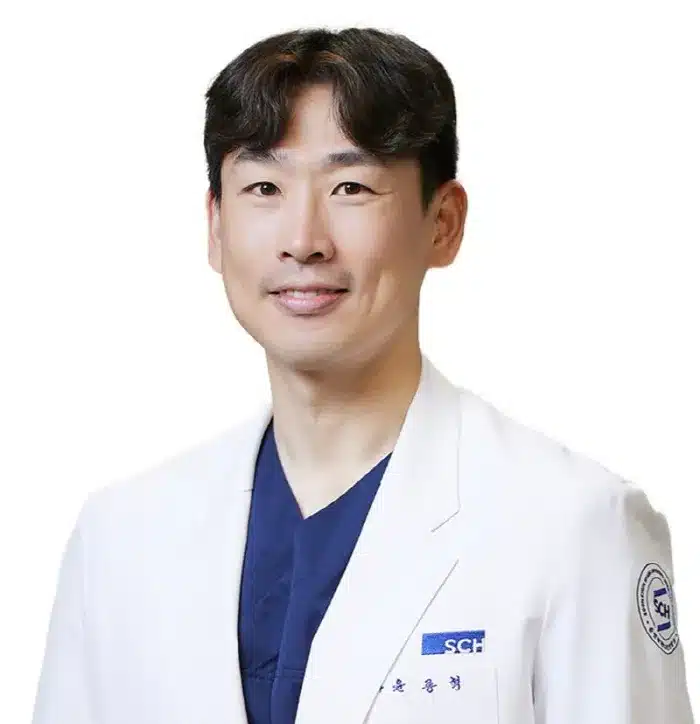
Professor Yoon Jong-hyuk from Soonchunhyang University Hospital’s Department of Internal Medicine has been honored with the Best Oral Presentation Award at the 2026 International Gastric Cancer Association (KINGCA) Week conference. The prestigious event, held recently at the Lotte Hotel in Seoul, recognized Professor Yoon for his groundbreaking research on gastric cancer patient-derived organoids.
Understanding Gastric Cancer Through Advanced Organoid Technology
Professor Yoon’s award-winning presentation, titled “Multi-omic profiling reveals genomic divergence and stem-like subclonal selection in gastric cancer patient-derived organoids,” delved into the complex genetic landscape of gastric cancer. He utilized patient-derived organoids (PDOs), which are essentially miniature tumors grown in a laboratory setting from a patient’s actual cancer tissue. These PDOs are highly valued in precision medicine for their ability to mimic the characteristics of the original tumor, allowing researchers and clinicians to predict a patient’s response to chemotherapy and tailor treatments accordingly.
The research involved analyzing 15 organoids derived from 13 gastric cancer patients. These organoids, along with the original tumor samples and normal tissue, were subjected to whole-exome sequencing (WES) and single-cell sequencing. This comprehensive approach allowed for a detailed comparison of the genetic makeup of the organoids against the original patient samples.
Key Findings: Genomic Instability and Stem Cell Selection
A significant discovery from Professor Yoon’s study was the identification of “genomic divergence” in approximately 47% of the organoids, even in the early stages of cultivation. This means that the genetic profile of the organoid differed from that of the original tumor. Crucially, the research demonstrated that this divergence was not primarily due to new mutations accumulating over time. Instead, it was found to be a result of selective expansion of pre-existing stem-like cells within the original tumor. These stem-like cells, present in small numbers in the primary tumor, were preferentially selected and proliferated during the organoid culture process, leading to the observed genetic differences.
This finding is critical because it highlights the dynamic nature of tumor evolution and the importance of understanding the cellular composition of the original tumor when using organoids for research and treatment prediction. The study suggests that the stem cell population within a tumor may play a pivotal role in its growth and response to therapy.
Implications for Precision Medicine and Future Research
Professor Yoon emphasized the importance of verifying how well patient-derived organoids represent the characteristics of the original tumor before they are used in clinical applications. “The process of confirming how accurately patient-derived organoids reflect the original tumor’s characteristics is crucial,” Professor Yoon stated. He further explained that this validation is essential for ensuring the quality and reliability of organoid models used in precision medicine.
“Before utilizing organoids in precision medicine, we need to implement quality control measures to assess the degree of genomic inconsistency,” he added. “We will continue with follow-up research to enhance their clinical applicability.”
The research underscores the potential of PDOs as powerful tools for understanding gastric cancer heterogeneity and for developing personalized treatment strategies. However, it also points to the necessity of rigorous quality assessment to ensure that these models accurately mirror the complexity of the disease in patients. The findings are expected to contribute to the advancement of precision oncology, paving the way for more effective and individualized therapies for gastric cancer patients.
About Patient-Derived Organoids (PDOs)
- PDOs are three-dimensional cell cultures grown from a patient’s tumor tissue.
- They aim to replicate the biological characteristics and genetic makeup of the original tumor.
- PDOs are used in research to study cancer biology, test drug responses, and develop personalized treatment plans.
- Their ability to mimic patient-specific tumor behavior makes them valuable tools in precision medicine.
- Challenges include ensuring genetic stability and representative cellular composition during culture.
Professor Yoon’s work represents a significant step forward in refining the use of organoid technology for gastric cancer research. By identifying and addressing the issue of genomic divergence and stem cell selection, his findings will help ensure that organoid models provide more accurate and reliable data for clinical decision-making, ultimately benefiting patients undergoing treatment for this challenging disease.
