

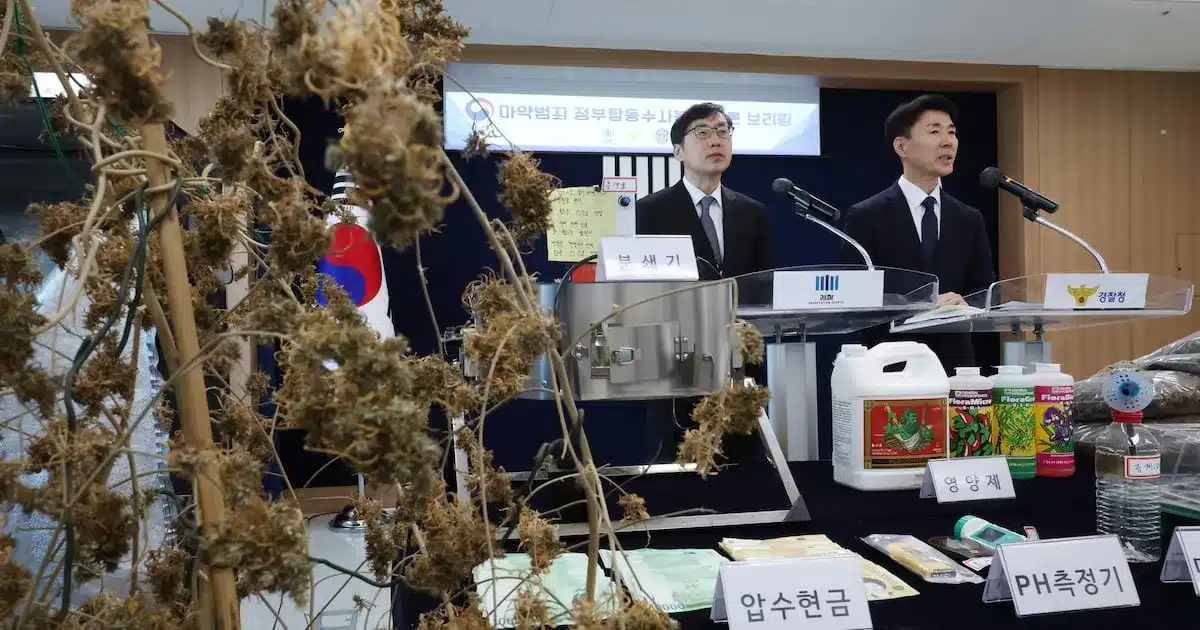
Authorities have apprehended an individual operating a Telegram channel used for drug trafficking, marking a significant development in the ongoing crackdown on illicit substance distribution. The suspect, identified only as ‘A’, was arrested in the Philippines and is accused of managing the ‘LabuBu’ channel, which facilitated the sale of various narcotics.
Investigation and Arrest Details
The Anti-Drug Crime Investigation and Prosecution Department (ADCI&PD) announced on the 31st that ‘A’ has been detained on multiple charges. These include violations of the Narcotics Control Act, specifically for drug trafficking and facilitating illegal drug transactions. The investigation revealed that ‘A’ operated the ‘LabuBu’ channel from December of the previous year until July of the current year. During this period, the channel was used to promote and sell synthetic drugs such as methamphetamine, philopon, and ketamine directly to buyers. The total value of these sales is estimated to be around 3.4 million Korean Won.
Furthermore, ‘A’ is suspected of engaging in further illicit activities by providing ‘drug hiding location maps’ to other drug sellers. This allegedly led to the supply of approximately 26 million Korean Won worth of drugs. The investigation also uncovered that ‘A’ received instructions and guidance from a drug kingpin, identified as ‘B’, who is currently detained in a Philippine correctional facility. ‘A’ reportedly paid ‘B’ 7 million Korean Won in illegal profits.
Sophisticated Distribution Network Uncovered
The ADCI&PD’s investigation into ‘A’ has brought ‘B’ into focus as a key figure. ‘B’ has allegedly been active as a drug seller since January of last year, operating under a false identity and frequently changing sales channels while based overseas. This operation highlights a sophisticated and adaptable distribution network designed to evade law enforcement.
A spokesperson for the ADCI&PD stated that the current investigation has confirmed the establishment of a supply chain for drugs hidden nationwide. This network is designed to ensure continuous supply to buyers from approximately 50 Telegram drug sales operators who have reportedly been neutralized. This suggests a coordinated effort to dismantle a larger organization rather than isolated incidents.
Ongoing Efforts to Combat Drug Trafficking
The ADCI&PD has apprehended a total of 14 drug kingpins, including ‘B’, who are currently detained in Philippine correctional facilities. Authorities believe these individuals were instrumental in distributing drugs within the country. Efforts are now underway to extradite these individuals to face charges domestically.
A source within the ADCI&PD emphasized the urgency of these extradition proceedings. “We are expediting the extradition of drug kingpins to swiftly address the domestic drug situation and completely block the inflow of illegal drugs into the country,” the source stated. This indicates a strong commitment to eradicating drug trafficking and its associated criminal activities.
Key Figures in the Operation
- Suspect ‘A’: Operator of the ‘LabuBu’ Telegram drug sales channel. Accused of direct sales and providing drug hiding location maps.
- Kingpin ‘B’: Alleged supervisor of ‘A’, currently detained in the Philippines. Believed to be a key figure in the overseas-based drug distribution network.
Broader Implications and Future Actions
The successful apprehension of ‘A’ and the subsequent focus on ‘B’ demonstrate the effectiveness of cross-border cooperation in combating international drug trafficking. The use of encrypted messaging applications like Telegram presents unique challenges for law enforcement, requiring advanced investigative techniques and intelligence gathering.
The ADCI&PD’s statement about establishing a nationwide supply chain underscores the scale of the operation. By neutralizing approximately 50 Telegram drug sales operators and securing the associated distribution network, authorities aim to disrupt the flow of narcotics significantly. The focus on extraditing key figures like ‘B’ signals a determination to hold major players accountable and dismantle the organizational structure of these drug syndicates.
The commitment to blocking future drug imports highlights a proactive approach to preventing the resurgence of trafficking activities. This comprehensive strategy, involving investigation, apprehension, extradition, and supply chain disruption, is crucial in the ongoing fight against illegal drugs. The case serves as a stark reminder of the evolving tactics employed by drug traffickers and the persistent efforts required by law enforcement agencies worldwide to counter these threats.
The investigation is ongoing, with authorities continuing to pursue leads to identify and apprehend other individuals involved in this extensive drug trafficking network. The focus remains on dismantling the entire operation, from the highest-level kingpins to the street-level distributors, to ensure a lasting impact on drug availability and consumption.
