

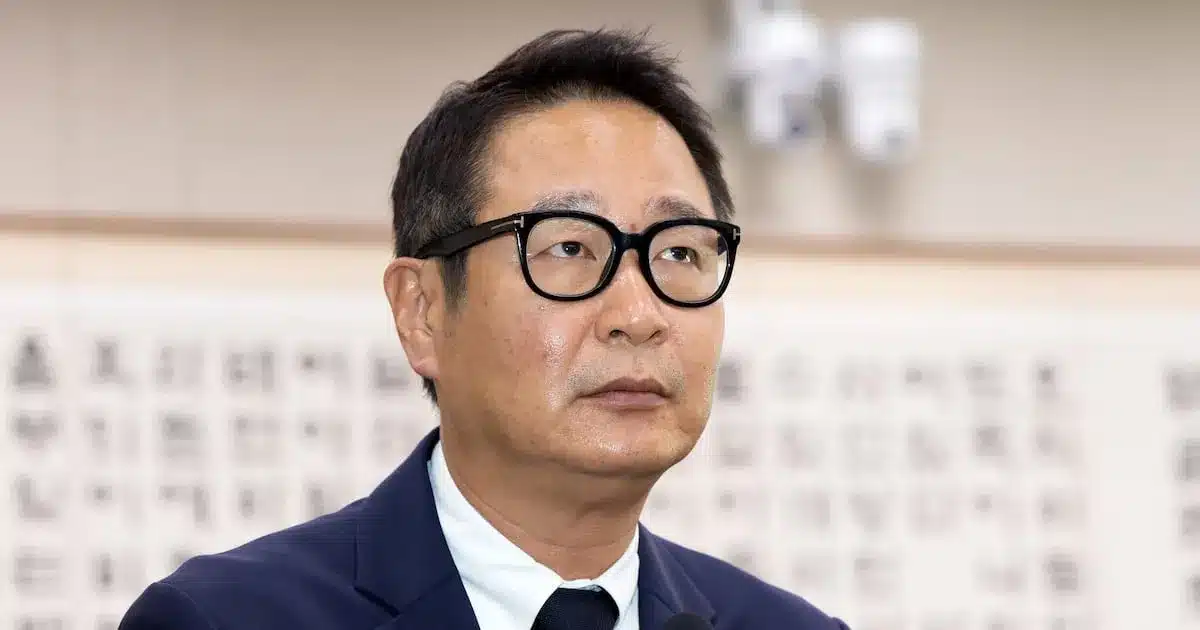
A special prosecutor’s team has had its request for an arrest warrant against Kim Tae-young, CEO of the interior design firm ’21 Grams,’ denied by the court. The firm is under investigation for its alleged involvement in the presidential transition process. The Seoul Central District Court rejected the warrant, which sought Kim’s detention on charges including abuse of power and obstruction of business, according to judicial sources on the 6th.
Investigation Details and Allegations
The court cited insufficient grounds for detention, stating that the necessity and proportionality of arresting Kim were difficult to acknowledge after reviewing his testimony. The special investigation team had been looking into Kim’s alleged role alongside former presidential secretary Kim Oh-jin and administrative officer Hwang Mo-ssi in the alleged abuse of power, a charge also leveled against Kim Oh-jin in a previous investigation led by special prosecutor Kim Geon-hee.
Investigators believe that Kim Tae-young, despite lacking the necessary qualifications as a general construction contractor, leveraged his relationship with Kim Geon-hee to unfairly secure contracts for the presidential transition work. This aspect of the investigation is ongoing.
Allegations of Illicit Budget Allocation
Separately, the special investigation team is also examining suspicions that the current presidential office under President Yoon Suk-yeol unlawfully allocated funds to pay ’21 Grams’ for its services. This line of inquiry has led to the reinvestigation of several former officials, including former Minister of Government Policy Coordination Lee Sang-min, former Presidential Secretary Kim Dae-gi, former Deputy Secretary-General for Political Affairs Yoon Jae-soon, and former secretary Kim.
These individuals are suspected of directing the illegal diversion and appropriation of approximately 20.9 billion won (about $15 million USD) in state funds. This money was allegedly intended to cover the costs of the transition projects, which ’21 Grams’ unilaterally demanded.
Background of the Investigation
The investigation stems from allegations that irregularities occurred during the transition period following the presidential election. The special prosecutor’s office was established to thoroughly examine these claims and ensure accountability.
The firm ’21 Grams’ reportedly secured contracts for interior design and renovation work related to the presidential transition. The core of the investigation revolves around whether these contracts were awarded fairly and whether the subsequent payments were handled appropriately and legally.
Key Figures and Their Alleged Roles
- Kim Tae-young: CEO of ’21 Grams,’ accused of abuse of power and obstruction of business. His arrest warrant was denied.
- Kim Oh-jin: Former Presidential Secretary, also implicated in alleged abuse of power related to the transition contracts.
- Hwang Mo-ssi: Former Administrative Officer in the Presidential Secretariat, allegedly involved with Kim Oh-jin.
- Lee Sang-min: Former Minister of Government Policy Coordination, under investigation for allegedly directing illegal fund allocation.
- Kim Dae-gi: Former Presidential Secretary, also investigated for alleged involvement in fund diversion.
- Yoon Jae-soon: Former Deputy Secretary-General for Political Affairs, facing scrutiny for his role.
- Former Secretary Kim: Another former secretary being investigated in connection with the alleged illegal fund use.
Legal Proceedings and Judicial Review
The decision by the Seoul Central District Court to deny the arrest warrant signifies a judicial review of the evidence presented by the special prosecutor’s team. Courts typically grant arrest warrants when there is a demonstrable risk of flight, destruction of evidence, or continued criminal activity. In this instance, the court found these conditions not sufficiently met for Kim Tae-young.
The investigation into the alleged misuse of public funds and the awarding of contracts during the presidential transition is expected to continue. The special prosecutor’s office may seek further legal avenues or present additional evidence to the court if deemed necessary.
Broader Implications
This case highlights the scrutiny applied to the processes and financial dealings surrounding presidential transitions in South Korea. Ensuring transparency and preventing the misuse of public funds are critical aspects of maintaining public trust in government operations.
The ongoing investigations and legal proceedings will likely shed further light on the specific actions taken by individuals and the mechanisms through which state funds were allocated. The outcomes could influence future regulations and oversight procedures for presidential transition periods.
Conclusion
While the arrest warrant for Kim Tae-young has been rejected, the investigation into ’21 Grams’ and its alleged role in the presidential transition, as well as the broader allegations of illicit fund allocation, remains active. The judicial system’s review of the evidence will continue to play a crucial role in determining the path forward for this complex case.
