

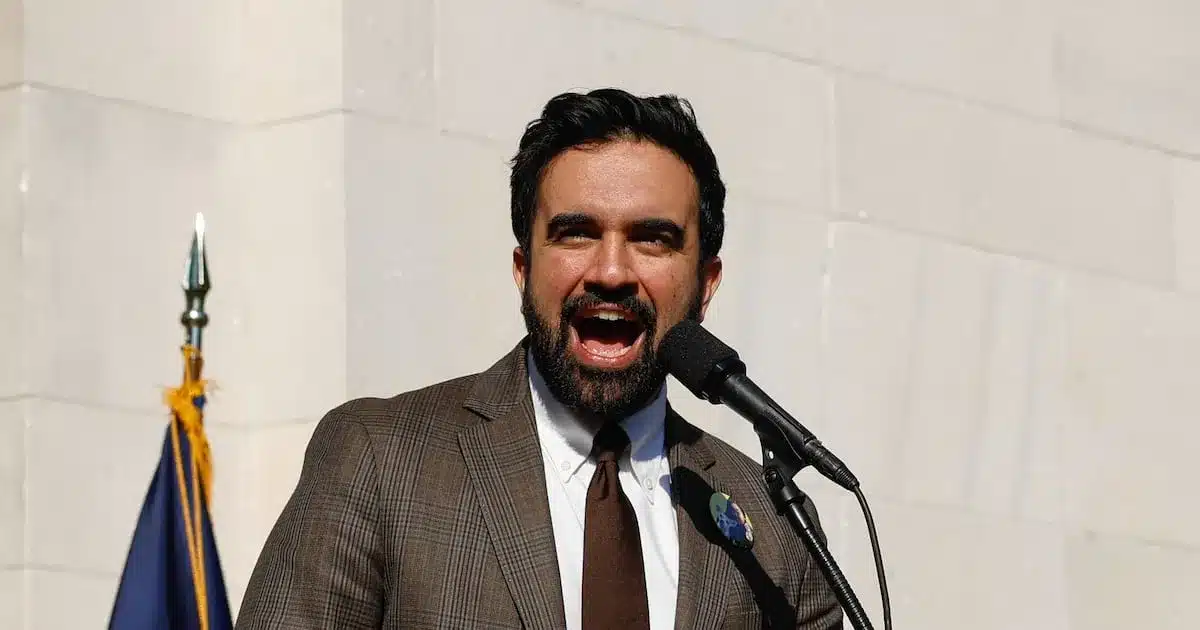
New York City Mayor Eric Adams staged a dramatic protest on May 12 by burning an effigy of a proposed residential property tax bill directly in front of the City Council chamber. The move targets a measure that would impose heavier taxes on second homes, which Adams argues unfairly burdens middle-class homeowners.
The Fiery Demonstration
Adams lit the symbolic bill to highlight its potential impact on everyday New Yorkers. Officials note that the proposal resembles non-partisan international standards but remains deeply divisive. As a Democrat, Adams positions the tax as an inaccurate fix for fiscal challenges, predicting backlash from centrists and independent groups.
Budget Pressures and Tax Details
Two months prior, Adams announced plans to balance the city’s budget—spanning over $54 billion annually—without deep job cuts. Instead, he pursued targeted property tax adjustments. Current projections show Manhattan property tax rates rising from 12.28% to 13.45%, a change directly affecting middle-income households. The city maintains a surplus, raising questions about the necessity of the increase.
Adams emphasized success in stabilizing finances without alienating residents, stating, “We balanced the budget without burdening newcomers and matched forecasted figures.” He added, “We will not impose property taxes.”
Focus on Pied-à-Terre Tax
The core issue is the ‘pied-à-terre tax,’ an additional levy on second residences valued above $500,000 owned by non-primary occupants. Proponents view it as a revenue booster amid fiscal strains. However, critics like Adams argue it discriminates against middle-class owners unable to afford luxury pied-à-terres.
Wall Street figures, including Citadel’s Ken Griffin, have voiced opposition. Griffin, who faced backlash for selling his Manhattan penthouse, warned of reduced investment. Billionaires like Bill Ackman echo concerns that the policy fuels anti-wealth sentiment.
Adams remarked, “From the mayor’s excellent policy experience, we realized the biggest mistake.” He continued, “Griffin retaliated, and even socialists were furious.”
Political Reactions and History
Progressive council members pushing the bill faced sharp criticism. Even within the Democratic Party, some received backlash at private events. The Wall Street Journal noted, “Adams protested at the end of a non-partisan critique of the policy.”
This echoes past disputes, such as Amazon’s 2018 withdrawal of its second headquarters from Long Island City after a 30 million tax pledge drew opposition from Rep. Alexandria Ocasio-Cortez and others, who decried taxes on top businesses. Such moves have cost the city 25,000 jobs and $27 billion in revenue.
