

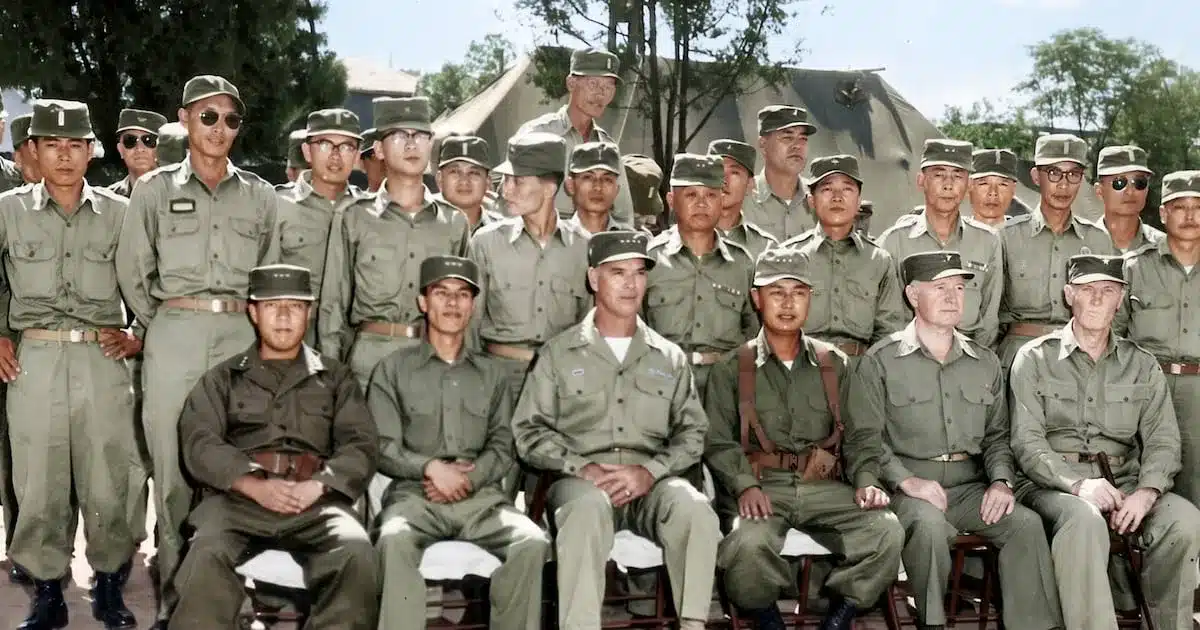
From Battlefield Warrior to Top Commander
Paik Sun-yup, a legendary figure in Korean military history, transformed a fierce field commander into the chief of staff for the Army Headquarters during the Korean War. In July 1952, at the Army Headquarters in Daegu, Paik swore in Im Myeong-sik as the new Yugun chief of staff. This appointment marked a pivotal shift, placing Im—a proven battlefield tactician—at the helm of military operations.
Im Myeong-sik had already distinguished himself by capturing an entire enemy company single-handedly before the full-scale war erupted. He led assaults on Jirisan and Waryongsan peaks, securing vital positions alongside other key commanders like Paik. His reputation for bold frontline leadership earned him Paik’s trust, elevating him to a top role amid intense combat.
James Van Fleet’s Enduring Influence
James Van Fleet, commander of the U.S. 8th Army, played a crucial role by dispatching two Korean divisions to the Chuncheon front lines. Lacking direct ties to the ‘mountain political faction,’ Van Fleet relied on Paik’s recommendations for placements. Paik personally influenced decisions on Im Myeong-sik’s role, ensuring strategic alignments.
Van Fleet later reflected on Paik’s counsel during visits to Army Headquarters. Despite occasional frustrations, Paik urged restraint: “Don’t speak too much; observe first. In war, distinguish yes from no clearly.” This advice underscored Paik’s emphasis on measured leadership.
The Fateful ‘That Incident’
Paik viewed the Army as his personal domain, yet frontline realities tested his command. A tragic platoon annihilation prompted decisive action: Paik executed the division and regimental leaders responsible, bypassing formal procedures. This event, known as the ‘mountain political faction incident,’ solidified military discipline.
Analysis reveals Paik’s hands-on approach stemmed from operational necessities. U.S. forces required such authority to maintain order, as joint command structures complicated accountability. Paik’s decisions, though controversial, reflected the era’s harsh demands.
Im Myeong-sik’s Command Legacy
Im’s promotion highlighted Paik’s talent for identifying leaders. From capturing peaks to advising on critical deployments, Im embodied the shift from combat heroics to strategic oversight. Paik trained him rigorously, preparing him for higher roles.
Even after the armistice, Paik’s influence persisted. He navigated U.S. relations adeptly, securing resources like education for mountain operations. Korean forces under Paik expanded to nine divisions, outpacing U.S. expectations through relentless effort.
Personal Reflections on Leadership
Paik shared wisdom with his pilots: “In this position at 32, how can I not feel burdened?” He emphasized courage over eloquence, instructing them to lead by example. “Reflect threats to superiors honestly, then act decisively,” he advised.
Historians note Paik’s methods fostered resilience, turning raw talent into national assets. His era defined Korea’s military evolution amid global alliances.
