

Researchers have identified a novel variant in the RNU4-2 non-coding RNA gene linked to colorectal cancer and other malignancies among Koreans. Analysis of genomic data reveals this mutation appears frequently in patients, highlighting its role in disease development.
Key Research Discoveries
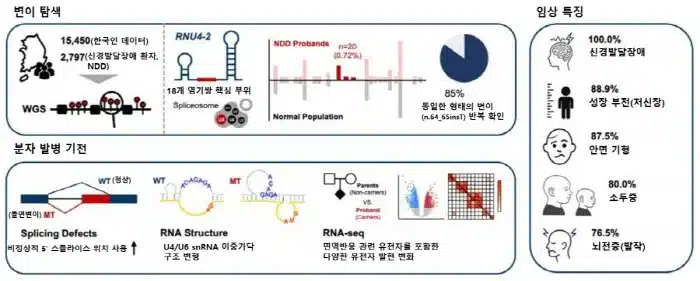
Domestic teams examined genomic data from over 15,000 Koreans but initially struggled to pinpoint underlying causes. They uncovered a significant ‘somatic mutation’ in the RNU4-2 gene among colorectal cancer patients, confirming distinct structural and functional characteristics.
Patients carrying this variant exhibit central obesity and impaired muscle development despite adequate nutrition. Commonly associated conditions include small intestine cancer, colorectal cancer, breast cancer, axillary tumors, and elevated leukemia risks.
Detailed Analysis from Seoul National University
A collaborative effort involving Seoul National University Hospital’s special genome research professors, including Cha Jong-hui, Lee Seung-bok, and Kim Su-yeon, alongside elite instructor Hong Joo-hyun, analyzed data from 15,450 individuals. They selected 2,797 colorectal cancer cases for in-depth review of variant traits and analytical patterns, releasing findings on the 30th.
The study detected the RNU4-2 variant—the largest non-coding RNA mutation—in 0.72% of all patients. Notably, 85% featured the identical repetitive sequence (n.64_65insT), absent in other disease cohorts, marking it as a novel somatic mutation not inherited from parents.
This gene does not produce proteins but regulates splicing accuracy in genetic information, ensuring proper cellular function. Disruptions lead to unpredictable outcomes, including heightened cancer susceptibility.
Broader Implications for Genetic Research
These results underscore the value of genomic collaboration in uncovering double-helix interactions. They pave the way for new discoveries in methylation, epigenetics, and large-scale DNA analysis, enhancing predictions for high-risk variants.
The findings appear in the latest issue of the journal Clinical Genetics, advancing clinical understanding of cancer genetics in Korean populations.
