

[ad_1]
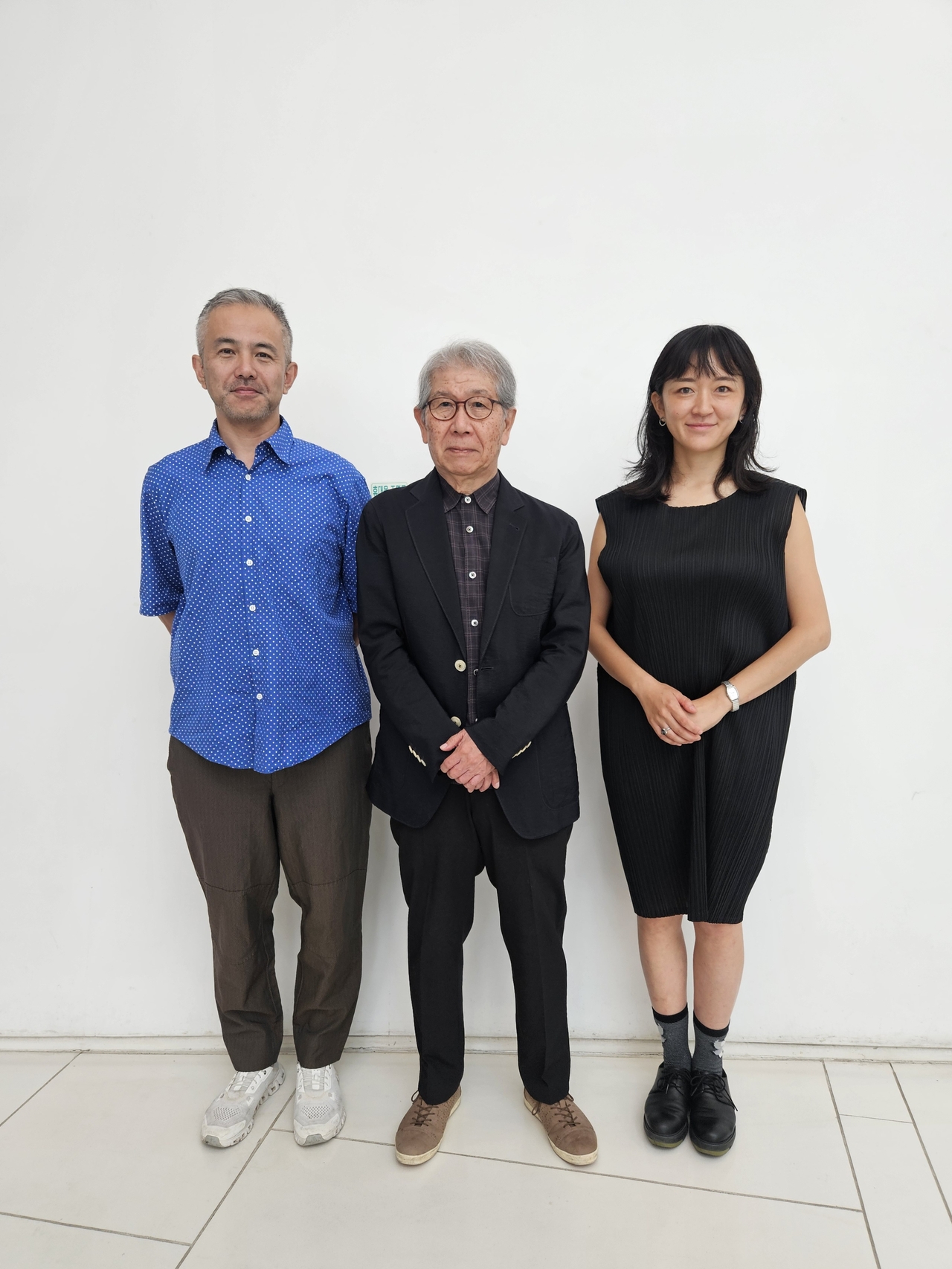
Japanese architect Riken Yamamoto, winner of the Pritzker Structure Prize in 2024, warns that Seoul’s future is in jeopardy if its record-low start fee persists — a disaster he believes is deeply tied to how the town conceives of and inhabits housing.
“Lots of the elementary issues stem from housing. As a result of housing, at its core, is about how we select to stay,” Yamamoto mentioned throughout an interview with a bunch of reporters at Seoul Metropolis Corridor this September.
The Japanese architect, who has accomplished plenty of tasks in Korea akin to Gangnam Housing and Pangyo Housing complexes, has challenged the normal divide between private and non-private area, exhibiting the worth in creating communities for social connection.
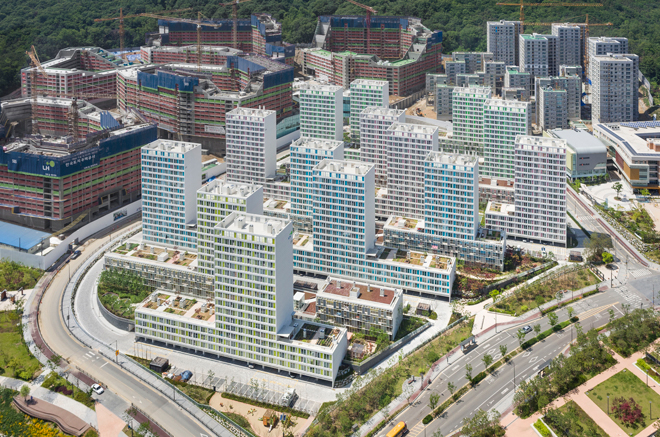
Yamamoto mentioned he visited South Korea recurrently and is impressed by how the capital metropolis is changing into extra refined, referring to Seoul because the “most profitable metropolis on the earth.”
The architect mentioned the town, nevertheless, embodies a paradox as probably the most modernized cities on the earth faces a quick decline in inhabitants and speedy ageing.
“I really feel that higher issues lie forward — and deep down, nearly everybody residing in Seoul already is aware of it,” he mentioned.
In keeping with the newest OECD reviews, South Korea has the bottom fertility fee amongst OECD nations, with the speed falling to 0.72 births per girl in 2023.
Yamamoto sees the present housing system dominant throughout the town as a failure and emphasised that point is working out to discover a way of life and a brand new mannequin of housing, including that Seoul may very well be the place to redefine it.
“If we preserve creating housing that fosters stronger communities over the subsequent 10 years, we are going to begin to see the outcomes a decade from now,” he mentioned.
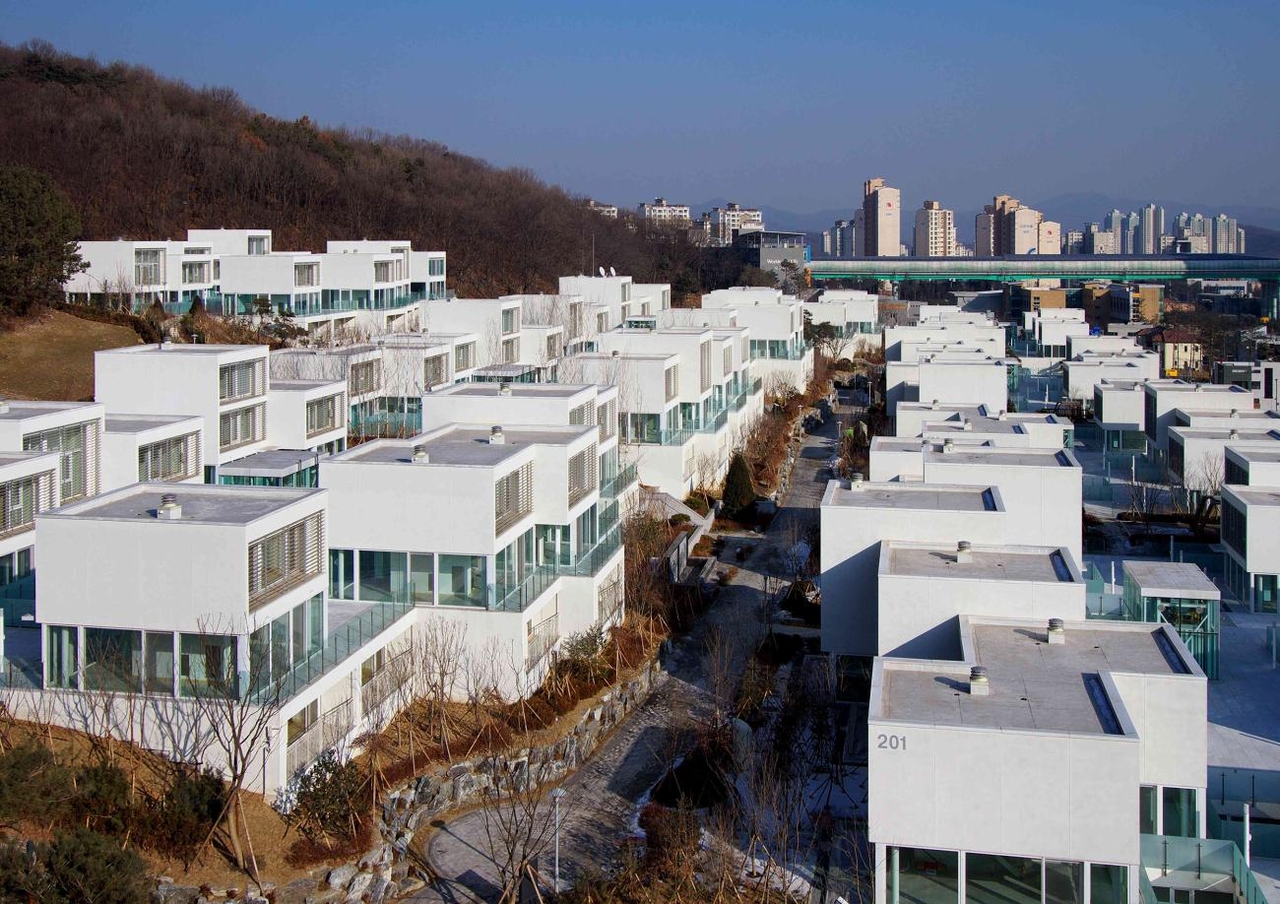
Yamamoto attributed the declining start fee to the dearth of environments that assist elevating kids, stressing that if architects can design areas the place dad and mom in cities like Seoul can really really feel the enjoyment of getting and elevating kids, start charges will naturally rise.
Such housing, he defined, ought to present not solely a superb dwelling atmosphere but in addition a powerful sense of neighborhood — one the place moms can assist each other and share the expertise of elevating kids collectively.
“If the low start fee just isn’t addressed, the variety of international employees will inevitably enhance, and that may result in one other set of issues,” he mentioned. “That might result in conflicts inside the metropolis and the collapse of its communities.”
Present zoning legal guidelines that prohibit industrial use in residential areas make it tough to implement the architect’s splendid housing mannequin, which integrates communal and small-scale financial actions. Whereas a few of his tasks in Korea embody this imaginative and prescient, the idea has but to be absolutely achieved beneath Seoul’s regulatory and cultural constraints.
Yamamoto met Seoul Mayor Oh Se-hoon on Sept. 10 to debate future housing for a low-birth-rate society. He additionally gave a presentation on the path of collective housing — together with Japanese architect Toshiharu Naka and Korean-Japanese architect Chong Ae-hyang — at a seminar organized by Park Chang-hyun, CEO of a spherical architects, and Brique, a Seoul-based media startup that makes a speciality of way of life and structure.
Yamamoto mentioned he feels that Korean architects are conscious of the urgent points in society, and likewise that they’ve the flexibility to handle these challenges by structure.
“I imagine architects play essentially the most essential function in shaping the cities and houses of the long run,” he mentioned. “That’s the sense of duty an architect should carry.”
Yamamoto is engaged on a undertaking in Venezuela the place 60 % of residents stay in casual settlements, he mentioned, aiming to examine how the nation may be reworked right into a extra livable and delightful place.
[ad_2]
