

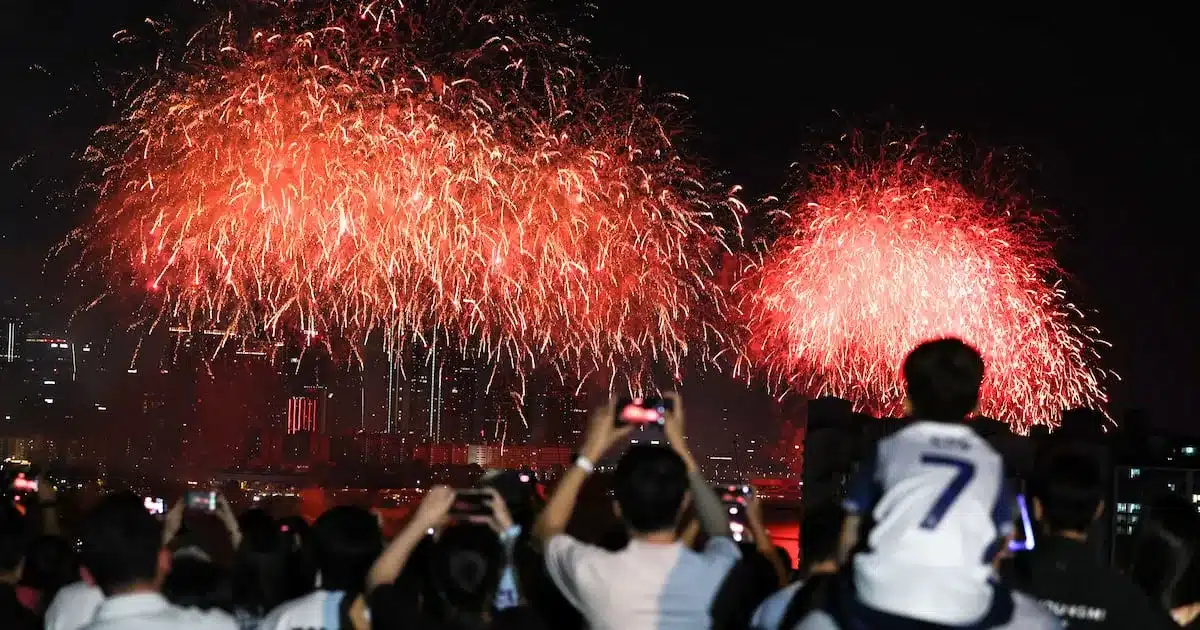
Seoul Metro Line 5 has resumed normal operations after a four-hour disruption at Yeouinaru Station, which was caused by an unexpectedly large influx of visitors for the ‘Seoul International Fireworks Festival 2026’. The disruption, which affected both inbound and outbound trains, concluded around 10:10 PM KST on the day of the event.
Disruption Details and Resolution
Seoul Metro announced that trains on Line 5 are now making regular stops at Yeouinaru Station, serving all sections of the line as scheduled. The company had initially planned to allow trains to pass through the station without stopping starting at 7:00 PM, anticipating the crowds. However, the sheer volume of attendees for the popular fireworks festival necessitated an earlier decision.
To manage the overwhelming number of people, Seoul Metro advanced the non-stop passage implementation to approximately 6:11 PM, nearly 50 minutes ahead of the original schedule. This measure was put in place to prevent overcrowding on the platforms and ensure passenger safety. Despite these efforts, the station remained inaccessible for direct boarding or alighting for several hours.
Context: The Seoul International Fireworks Festival
The Seoul International Fireworks Festival is a major annual event that draws hundreds of thousands of spectators to the banks of the Han River, particularly around Yeouido Park. The festival is renowned for its spectacular displays of pyrotechnics, choreographed to music, attracting both local residents and international tourists. Its popularity, however, often leads to significant transportation challenges in the surrounding areas.
Yeouinaru Station, located on Line 5, serves as a primary access point for attendees heading to Yeouido Park, where the main events and viewing areas are situated. The station’s strategic location makes it a critical node for public transportation during the festival. Consequently, the surge in passenger numbers during peak hours can place immense strain on the subway system.
Operational Challenges and Public Safety
Managing public transportation during large-scale events like the fireworks festival is a complex logistical undertaking. Seoul Metro, like many urban transit authorities, faces the challenge of balancing service provision with passenger safety. When anticipated crowd sizes are exceeded, as was the case on this occasion, transit operators must make rapid decisions to mitigate risks.
The decision to implement non-stop train passage is a measure taken to prevent dangerous overcrowding on station platforms and within train cars. By bypassing the station, the transit authority aims to reduce the density of people in the immediate vicinity, thereby minimizing the risk of accidents, such as falls or crushes. This strategy, however, inconveniences passengers intending to use the affected station.
Seoul Metro communicated the situation to the public through text messages, informing commuters about the temporary suspension of service at Yeouinaru Station and the subsequent resumption of normal operations. Such communication is vital for managing public expectations and providing real-time updates during service disruptions.
Future Considerations for Large Events
The incident at Yeouinaru Station highlights the ongoing need for robust crowd management strategies for major public events in Seoul. While the immediate disruption was resolved within four hours, the event underscores the importance of accurate crowd-size forecasting and flexible operational planning.
Moving forward, transit authorities and event organizers may need to collaborate more closely to develop enhanced strategies. These could include:
- Improved Forecasting Models: Utilizing advanced data analytics to better predict attendance numbers and peak travel times.
- Expanded Transportation Options: Coordinating with bus services and potentially increasing ferry services on the Han River to distribute passenger load.
- Enhanced On-Site Management: Deploying more staff and security personnel to manage queues and direct pedestrian flow more effectively around stations and event venues.
- Phased Entry/Exit Plans: Implementing systems that manage the flow of people entering and exiting the event area and stations over a longer period.
- Public Information Campaigns: Educating the public in advance about potential transportation challenges and suggesting alternative routes or modes of transport.
The successful resolution of the disruption at Yeouinaru Station demonstrates the responsiveness of Seoul Metro. However, the incident serves as a reminder of the significant planning and coordination required to ensure the safety and convenience of the public during Seoul’s many large-scale cultural and sporting events.
Conclusion
The temporary halt in service at Yeouinaru Station on Line 5, necessitated by the overwhelming attendance at the Seoul International Fireworks Festival, was a significant but ultimately short-lived disruption. Seoul Metro’s swift action to advance non-stop train passage and its subsequent restoration of normal service within approximately four hours allowed the city’s transit system to return to its regular schedule. While the event highlighted the challenges of managing massive crowds during popular festivals, it also underscored the importance of adaptive public transit operations and effective communication in ensuring public safety.
