

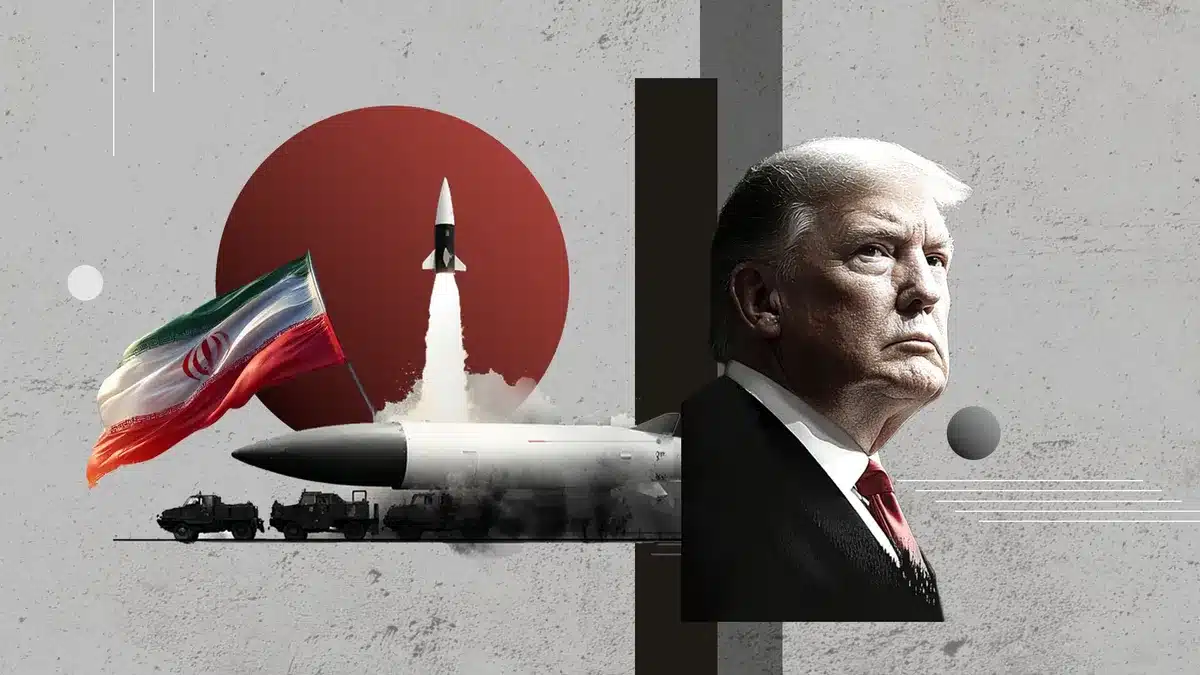
Heritage Foundation Flags Iran’s Nuclear Ambitions as Top Concern
Experts at the Heritage Foundation identified Iran’s nuclear program as the paramount security risk for U.S. policymakers fully 40 years ago. Their 1980 blueprint, Mandate for Leadership, pinpointed it ahead of threats from North Korea and the Soviet Union alike. Even today, amid evolving global dynamics, Iran’s nuclear pursuits remain a dominant peril.
Heritage analysts argue Iran’s program poses unique dangers due to ideological fervor and regional alliances. Sunni fears of Shia hegemony fuel covert collaborations, including with Israel, while post-1979 revolutionary shifts amplified concerns.
Post-Revolution Nuclear Push
Since the 1979 Islamic Revolution, Iran has advanced its nuclear capabilities despite international scrutiny. U.S. administrations consistently viewed explicit weaponization and material production as red lines, imposing sanctions and operations to curb progress. Officials note the revolution’s energy persists, though facilities have sustained damage.
U.S. strategists emphasize, “The revolution may have faded, but its energy endures.” Heritage warns this momentum could culminate in nuclear armament.
Israel’s Undeclared Arsenal
Israel maintains nuclear facilities openly but avoids formal declarations, with estimates of 100-200 warheads. As a non-NPT signatory, it faces no IAEA inspections. Heritage asserts Israel’s arsenal deters Arab rivals, yet stresses, “Israel’s program enables Arab states to justify their own pursuits.”
Analysts highlight Israel’s democratic status and economic reliance on the West as stabilizing factors, contrasting with Iran’s theocratic model.
Evolving U.S. Policies Across Administrations
Over two decades since 2000, U.S. strategies intensified against Iran’s nuclear issue. Obama hailed the 2015 JCPOA as a “sunglasses-off deal,” limiting enrichment for sanctions relief. Yet critics like George W. Bush labeled it a pathway to bolster Iran’s influence.
Trump withdrew in 2018, opting for “maximum pressure” via economic and military sanctions. Heritage praises this shift, viewing Iran as a “nuclear threshold state” where prior policies risked disaster.
Theocratic Risks Amplify Dangers
U.S. policymakers deem Iran’s theocratic fusion of religion and state more alarming than mere possession. Supreme Leader oversight intertwines clerical sentiment with governance, defying secular economies. Recent judicial hangings of 88 individuals underscore ideological rigidity.
White House officials warn Iran’s nuclear pursuit remains a potent threat, outpacing even youth unrest. Hormuz cooperation pales against nuclear proliferation risks.
Policy Crossroads
Current U.S.-Iran tensions demand careful navigation. Reviving talks risks renewed sanctions relief; escalation invites broader fallout. Heritage urges prioritizing Iran’s nuclear issue above all, echoing a 40-year consensus: “If Iran acquires nukes, the fallout will be profound.”
