

Emerging Concerns Over Cruise Ship Hantavirus Cases
The World Health Organization (WHO) suspects human-to-human transmission of a new hantavirus strain linked to a cruise ship in South Africa. Officials revealed this assessment on May 5 local time.
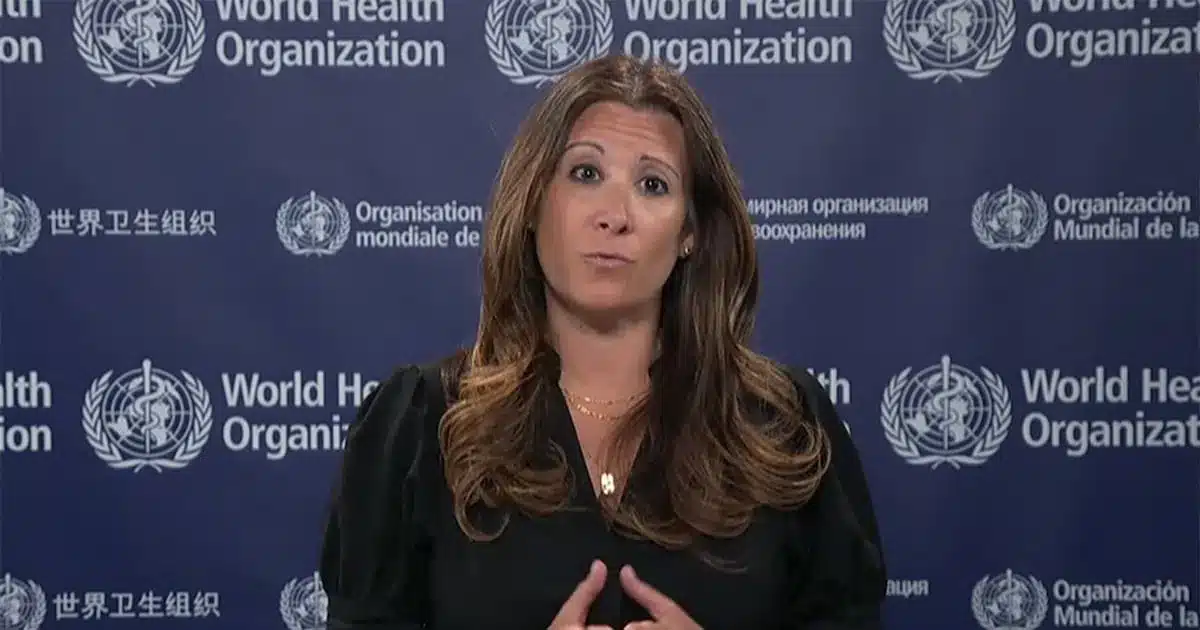
Maria Van Kerkhove, WHO Director-General for Emergencies, noted that while the cruise ship reports the lowest number of hantavirus infections worldwide, the situation remains deeply concerning. She stated, “Every continent has cases where full human-to-human transmission occurs among multiple close contacts.” She added that the virus has not mutated in South Korea.
Cases and Victims on MV Hondius
Currently in South Africa, the Netherlands-operated cruise ship MV Hondius has confirmed two hantavirus cases, with five suspected infections and three fatalities. The deceased include two Dutch nationals in their 70s and 60s, and one South Korean passenger.
MV Hondius recently visited England, the United States, and Spain before departing in late March as a peaceful polar cruise. WHO reports that 147 crew members and passengers from South Africa, Spain, and the Canary Islands are involved.
Transmission and Global Response
Typically, hantavirus spreads through contact with rodent droppings, urine, saliva, or nesting materials, leading to infections. However, human-to-human transmission raises alarms, as it differs from usual patterns.
Van Kerkhove urged Spain to bolster medical responses, enhance surveillance, and support affected individuals. She affirmed, “WHO will collaborate closely with Spanish authorities.”
Symptoms and Treatment Insights
The U.S. Centers for Disease Control and Prevention (CDC) identifies early hantavirus symptoms as fever, muscle aches, fatigue, and gastrointestinal issues, followed by severe respiratory or kidney complications.
In South Korea, exposure to the virus can trigger pulmonary syndrome and kidney failure. While no specific antiviral treatment exists, prompt supportive care significantly improves survival chances.
