

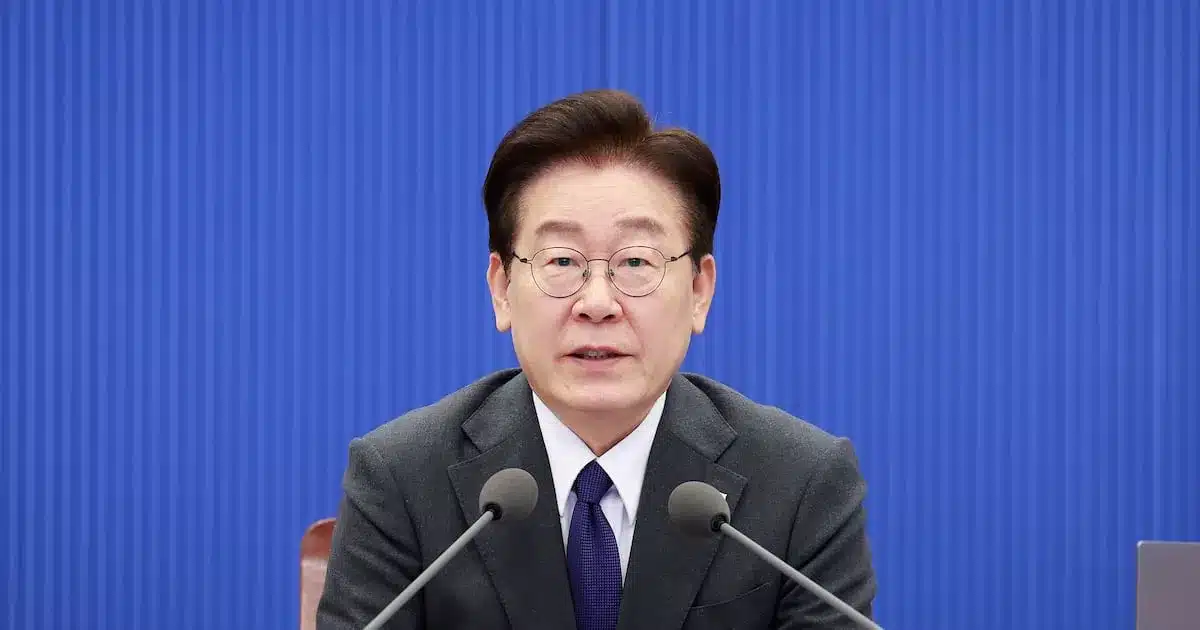
Opposition leader Lee Jae-myung faces growing backlash within his own Democratic Party over calls to pursue special pardons after the upcoming June 3 by-elections, amid a scandal involving public housing assignments linked to his inner circle.
The Housing Assignment Scandal
On April 30, Lee Jae-myung attended a key party meeting while scrutiny intensified over irregular public housing allocations. Personnel changes connected to the leader reportedly involved ‘private residence special pardons,’ prompting accusations of favoritism. Party officials urged caution on timing and pressure tactics, viewing the move as an attempt to shield allies from a separate Yeorwon accommodation controversy.
Even moderate voices within the party acknowledge significant concerns. “There is a huge issue at the presidential level,” one insider stated, emphasizing the need to thoroughly review public housing authorities and ensure fairness.
Internal Party Opposition
Senior Democratic Party figures issued stark warnings during the April 30 gathering. They highlighted the unprecedented nature of national assembly-level special pardons for by-election related personnel, labeling Lee’s directive as misguided.
Despite support from major regions like Daegu and Busan, where leaders framed it as essential for party operations amid public pressure, core leadership remains divided. One high-ranking official remarked, “This push for special pardons post-election strengthens the leader’s position, but ignores broader judgment.”
Calls for Restraint and Fairness
Party executive Jo Seong-rae stressed during a recent briefing that special pardon timing aligns with legitimate internal needs, yet warned against alienating the base. “No matter the rationale, pushing internally confirmed pardons risks national anxiety and division,” he said, advocating transparent processes.
Other leaders echoed this, urging the party to lead ethically and foster unity. “Handle pressure objectively and ensure citizens face no undue burden,” one stated.
By-Election Pressures and Leadership Maneuvers
The controversy peaked with April 30 revelations of direct assignments for private residence special pardons, shifting stances ahead of the May 7 plenary. Jeongcheong-rae representatives defended presidential disclosures as promoting service integrity and operational oversight.
Yet, Yeongnam affiliates clarified that full special pardons across the election aren’t feasible amid by-election dynamics and August leadership votes. “Post-election, align with results, checks, and public sentiment—no major deviations expected,” an associate noted.
Analysis reveals the push targets not just Yeongnam losses but nationwide influence, with over 150 executives in Telegram channels demanding post-by-election reviews. Regional chairs like Kim Bu-gyeom’s campaign spokespersons reiterated that special pardons extend beyond Yeongnam to core election impacts, insisting on nationwide strengthening.
Government and Opposition Responses
Constitutional scholars view the housing chief’s public role as ideological, countering special pardon demands. “This isn’t legitimate presidential duty—it’s election-driven maneuvering,” they argued.
Despite unified opposition, election insiders predict strategic pardons to consolidate power, underscoring tensions ahead of pivotal votes.
