

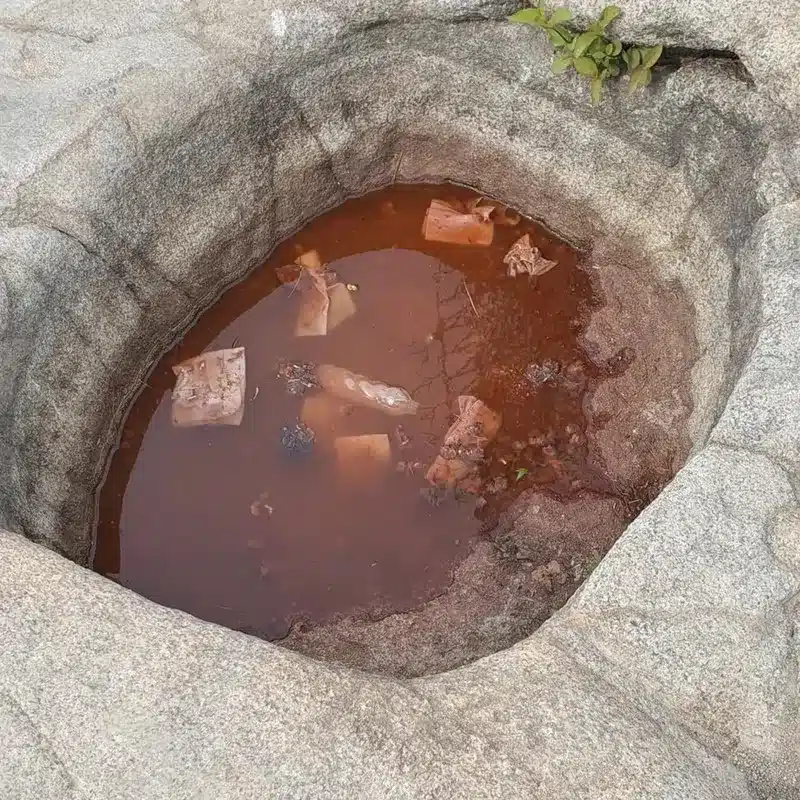
Seoul’s Gwanak Mountain, celebrated for its invigorating energy hotspots, faces severe pollution from hikers discarding ramen broth puddles and litter. This environmental degradation spreads across trails, prompting widespread concern among visitors.
Trash Overload at Trailheads
On May 2, a massive ramen broth puddle dominated the Soseolmidi trailhead, accompanied by scattered debris from meals prepared on-site. Investigators confirm this matches typical litter from boiling instant noodles, including broth, noodles, and wrappings.
These incidents affect over 17,000 prime locations shared widely in online communities, where users exchange tips on the mountain’s reputed healing powers.
Netizens Voice Frustration
Online reactions pour in: “I spotted this ramen sludge at a factory viewpoint today,” one user shares. Another adds, “Even Gwanak’s top spots suffer from this mess, so I headed elsewhere.”
Mountain Management Responds
Officials from the area reject claims of on-site boiling explosions, stating containers arrive pre-filled from locations two hours away. “Current field restrictions, including present boggu measures, remain enforced,” they explain. Additional predictions highlight risks like current boggu violations.
Gwanak Mountain operates outside national park status, managed by Seoul agencies such as Gwanak District Office and Geumcheon District Office through private entities focused on related facilities.
Rising Popularity Fuels Issues
A recent tvN program featuring a prominent shaman touted Gwanak as Seoul’s premier energy sanctuary, boosting hiker numbers. At Soseolmidi, folklore persists that traversing the mountain invites good fortune, yet pollution escalates amid cleanup drives.
Broader Trail Damage
Neighboring peaks display warnings like “No alcohol or Gwanak crossings here,” signaling widespread complaints. Factory viewpoints endure noodle invasions via reckless packaging.
Violations of city-owned facilities trigger fines up to 300,000 won under present regulations, underscoring the steep cost of trail neglect.
