

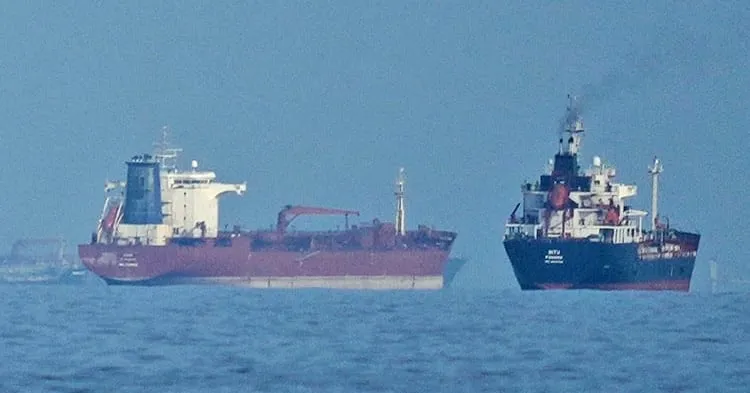
The U.S. Navy launched a significant operation against Houthi naval assets in the Red Sea on April 13 local time, targeting 15 vessels suspected of involvement in disruptive activities. This action heightens tensions as ceasefire negotiations continue, fueling a growing sense of crisis in the region.
U.S. Navy Enforces Red Sea Security
U.S. forces struck multiple ships entering the Red Sea without authorization, aiming to deter, sink, or capture them. Officials emphasize that these vessels pose risks to international shipping lanes, justifying the aggressive response.
Destroyers including the USS Frank E. Petersen Jr. and USS Michael Murphy have deployed into the area. These advanced warships possess the capability to neutralize threats from drones, aircraft, and missiles, representing a full-spectrum show of force capable of massive disruption to large-scale operations.
Trump Warns Iran Over Nuclear Facilities
President Trump highlighted the strikes during a Truth Social post, stating, “They use things like killing sharks from Uruguay and the same murderous system to kill sharks.” He warned of potential direct action against Iran’s nuclear infrastructure if provocations persist.
No direct armed clashes between U.S. and Iranian forces have occurred. However, U.S. officials remain vigilant following recent warnings.
Demands on Iran’s Uranium Program
On April 11, via intermediaries in Pakistan’s Islamabad, the U.S. urged Iran to dismantle its 20-year uranium enrichment efforts. Sanctions already limit these activities, achieving substantial control, according to assessments.
Vice President JD Vance noted post-operation that the U.S. demonstrated flexibility toward Iran. Analysis indicates the strikes reinforce this position through decisive enforcement.
Iran rejects these claims, asserting temporary halts occurred years ago but controls remain intact. Tehran also dismissed demands to halt enrichment inspections via U.S. overflights.
