

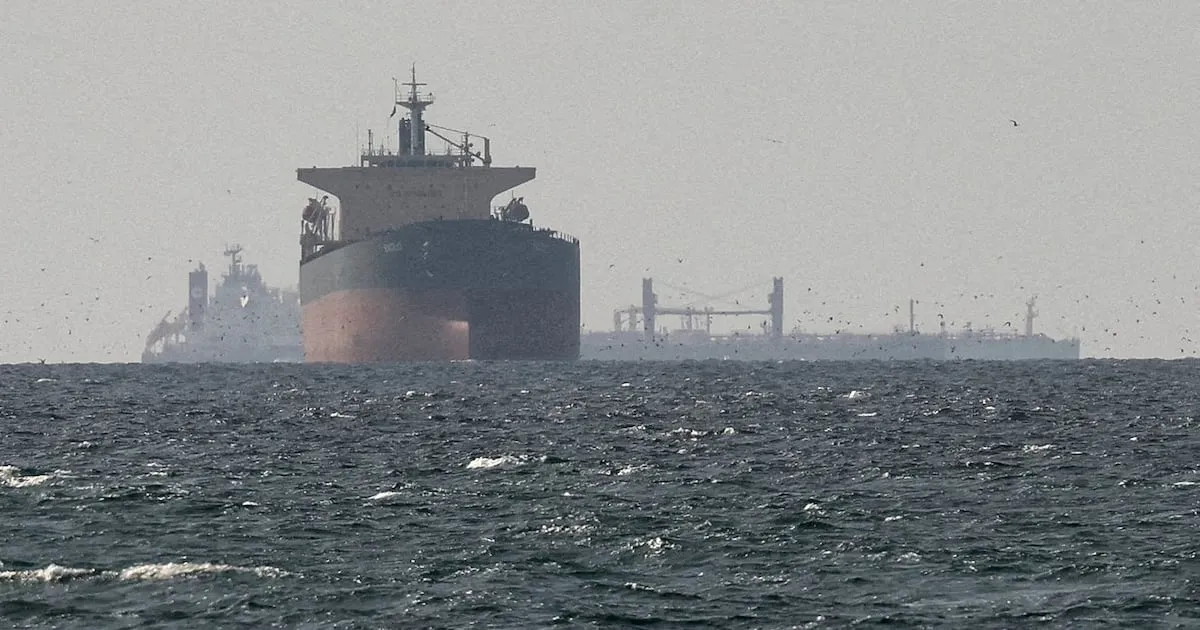
Two US Navy aircraft carriers successfully navigated the Strait of Hormuz on April 11, marking the first such passage since the onset of the Iran conflict on February 28.
Freedom-of-Navigation Operation Amid Tensions
US officials describe the transit as a standard freedom-of-navigation mission. The vessels proceeded through the strait under their own power without notifying nearby merchant ships. No incidents involving commercial traffic were reported during the operation.
Despite ongoing hostilities between the US and Iran, which escalated two weeks prior with major strikes on Western targets, the strait remains challenging for navigation due to heightened security measures.
Iran Issues Stern Warnings
Iranian Foreign Minister Esmail Baghaei warned that US aircraft carriers approaching the strait would face severe consequences. He noted that a previous US carrier had turned back from the UAE’s Fujairah port after receiving an Iranian alert.
“If this carrier re-enters the Hormuz Strait, it will be targeted,” Baghaei stated. He also cautioned Pakistan that any re-exposure within 30 minutes could impact cooperation with both Iran and the US.
Strategic Implications
Analysis indicates the US aims to demonstrate that merchant vessels can still pass through the strait safely, even as carriers transit. A US State Department spokesperson emphasized, “This operation shows resolve without escalating into a serious mission involving Iran.”
The event underscores persistent frictions in the region, with Iran claiming modifications to strait access and the US asserting navigational rights.
