

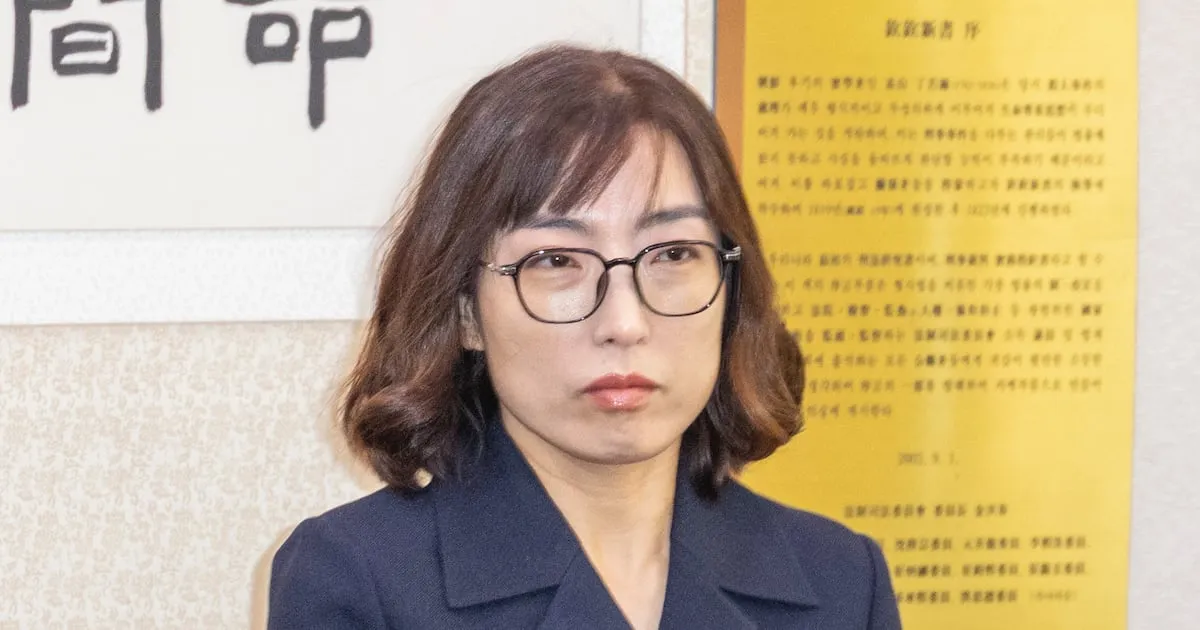
Seoul Central District Prosecutors’ Office chief prosecutor An Mi-hyun describes the current state of investigations as deeply passive. Even when crimes unfold directly before prosecutors’ eyes, direct probes remain off-limits, forcing reliance on emergency calls to 112, she asserts in a recent YouTube appearance on ‘Pani Eopsi’.
Stalking Victim Highlights Systemic Failures
A stark example involves a victim stalked via a robot vacuum cleaner exploited by a high-ranking government official. Despite the incident damaging government property, authorities directed the victim to dial 112 rather than allow prosecutors to intervene. An Mi-hyun notes this reflects a broader reality where major offenses in official settings evade prosecutorial action.
“Even the most dedicated prosecutor’s firsthand experience with such stalking leads to vertical complaints in government channels, yet citizens are told to report via 112,” she states.
Court Rulings Restrict Authority
Courts consistently rule that prosecutors lack authority for direct investigations, limiting scope to specific supplementary, economic, and business-related crimes. An Mi-hyun highlights how “related matters” receive narrow interpretations, blocking comprehensive probes.
Judges openly affirm in proceedings that no such investigative powers exist for prosecutors. She urges National Assembly members to recognize the absence of even warrant authority in these scenarios.
Personal Risks and Public Backlash
“Pushing investigations without warrants yields no results for the unconvinced,” An Mi-hyun warns. Prosecutors targeting influential figures face personal dangers and family threats, mirroring past high-profile cases like that of prosecutor Park Sang-young.
Links to public opinion offices exacerbate issues, where complaints demand formal filings despite urgent circumstances. From a public viewpoint, unaddressed reports direct victims undermine national systems like reconstruction fairness.
Historical Context and Concerns
Reflecting on her tenure as a judge during the ‘Daibuk Songgeum’ period, An Mi-hyun expresses suspicion over notorious rulings labeled as ‘direct reports.’ Critics reframe these as benchmarks, raising doubts about investigative integrity.
She emphasizes that true accountability requires expanded powers, warning that current constraints turn prosecutors into mere observers of visible crimes.
