

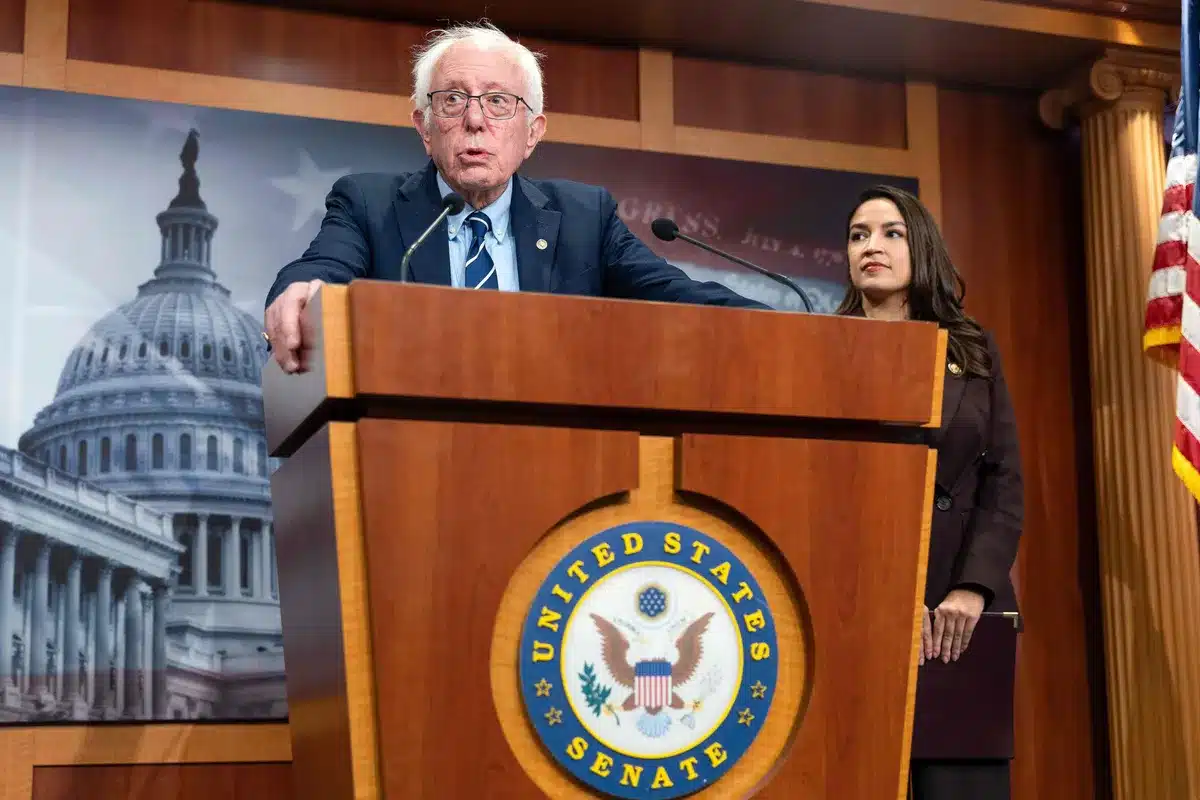
U.S. lawmakers and governors push for a nationwide pause on data center construction as artificial intelligence demands strain the power grid, highlighting the need for comprehensive AI safety regulations.
Urgent Calls for Regulatory Intervention
Senator Bernie Sanders from Vermont and Governor Phil Scott have issued strong warnings, advocating for an immediate freeze on all new data center builds across the country. They link this to national AI safety measures, viewing data centers as the essential physical backbone of AI infrastructure. Officials emphasize the importance of centralized oversight to manage development speed and mitigate broader societal impacts effectively.
Sanders stresses that data centers require precise, regulated control to ensure social benefits outweigh risks. He notes the need for accurate projections on power usage and proper integration of AI into safety frameworks.
“Data center executives must feel the profound impact of technological advancements on communities and avoid irresponsible expansion,” Sanders stated during a recent congressional hearing. “We need to understand the true nature of this impact and ensure responsible development.”
Escalating Power Consumption Challenges
The U.S. currently hosts around 4,000 data centers, with major concentrations in Virginia and California. Power-hungry facilities have sparked widespread concerns, as global data volumes grow rapidly—70% of all data is now business-related.
Virginia saw resident backlash against data center noise, prompting some counties to impose construction moratoriums. Real estate firm CBRE reports a decline in U.S. data center capacity, dropping from 6.35 gigawatts at the end of 2024 to 5.99 gigawatts—the first such reduction since 2020.
At least 12 states actively consider data center moratoriums, with New Orleans and Chandler among recent adopters.
Global Echoes and Industry Pushback
Japan faces similar pressures, with Blackstone’s initial data center project delayed due to resident opposition. Officials there confirm major impacts on power, nationwide transmission, and local communities.
Governor Phil Scott advocates using AI moratoriums to help businesses and governments grasp risks, protect citizens, and create opportunities for Americans. He highlights potential for positive national contributions through this technology.
“Through AI moratoriums, we can help companies and governments understand risks with data centers, protect citizens, and ensure this technology benefits all Americans appropriately,” Scott remarked.
White House Advocates Light-Touch Approach
The Trump administration contrasts this view, favoring minimal regulation. The White House promotes a “light-touch” framework for AI power rules, emphasizing voluntary industry compliance over strict mandates.
Consulting firm MSCI notes old data center deals often hid power risks, leading to repurposed facilities. Industry leaders like Nvidia and OpenAI push for operational continuity amid regulatory pressures.
Global giants such as McKinsey view moratoriums as vital for digital service governance, global management revival, and enhancing Americans’ daily lives.
