

Massive US Air Campaign Targets Iran
The United States has deployed overwhelming air power in the Middle East, unleashing the most intense strikes on Iranian facilities this week. This operation marks the largest concentration of US air forces since the 2003 Iraq invasion.
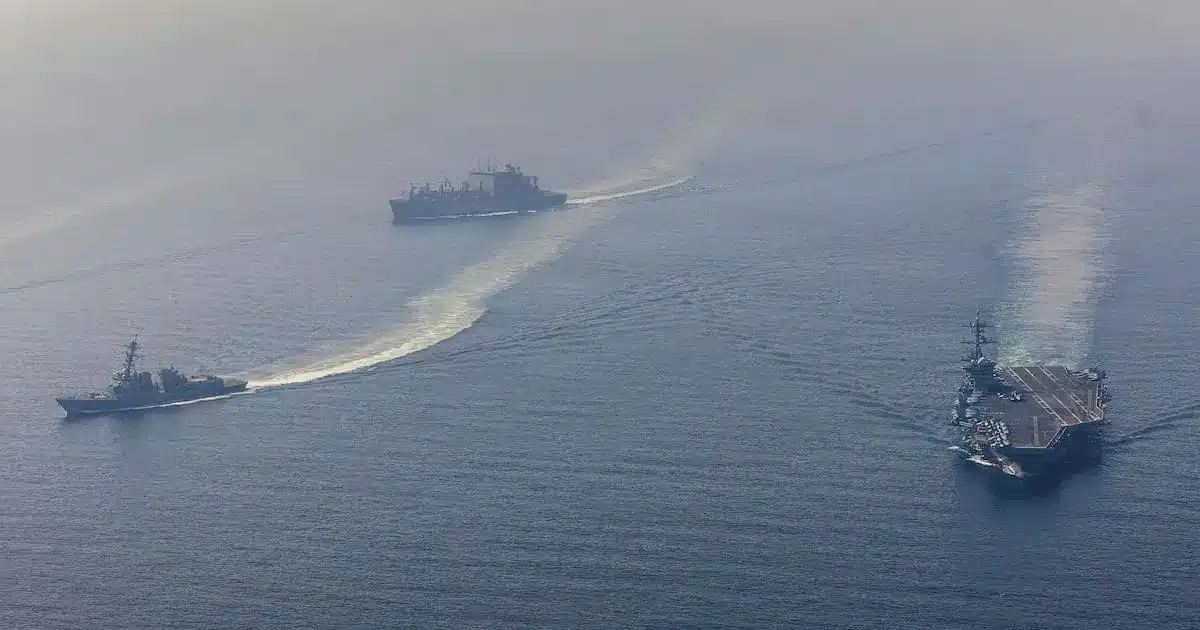
Advanced stealth fighters including F-35s, F-22s, F-15s, and F-16s, along with heavy bombers, have been positioned under Central Command. Support assets such as attack and reconnaissance drones, aerial refueling tankers, and early warning aircraft bolster the effort. Naval forces have intensified operations in the region.
Scale and Impact of the Strikes
Analysts highlight this as the biggest aerial operation in over two decades. The strikes focus on key military targets, with potential to neutralize significant portions of Iran’s nuclear infrastructure. Recent assessments indicate that major government nuclear operations could face substantial disruption.
Israeli officials confirm prior actions, noting strikes on three Iranian nuclear sites last June. These hits targeted precision smuggling routes, aiming to dismantle threats at their source.
Allied Coordination and Israeli Role
Israel maintains a preemptive stance, with Defense Minister Yoav Gallant stating, “We must strike Iran to prevent nuclear weapons development—President Trump’s prior approach represents the optimal strategy.” He described the June operation as highly successful and framed Iran’s ties with the Trump administration as a deliberate tactic.
New York Times reports detail Israeli intelligence linking Iranian missile bases and smuggling routes to nuclear weapons programs. Joint US-Israeli efforts intercepted inbound missiles, underscoring deepening military collaboration. US Patriot and THAAD systems, alongside shorter-range defenses, have been activated against Iranian retaliation.
A senior Israeli official remarked, “While Iran’s retaliation prompts defensive surges, we retain the capacity to sense overall conditions.” On January 17, US and Israeli forces conducted two nuclear safety collaborations in the Suez region.
Trump Administration’s Position
President Trump emphasizes no pursuit of regime change through these actions. A spokesperson clarified, “We are not aiming to reinstall the leadership—we possess alternatives like UK power plant safeguards and UK peer power strike capabilities.”
The administration denies endorsing specific outcomes, noting intelligence gaps persist. Recent engagements include US Navy operations verifying about 24% of Trump’s planned staff reductions, alongside strikes on Houthi threats and two government research sites.
For two weeks, US forces have conducted joint nuclear safety inspections within Iran. The US Navy stressed, “Advances exist, but full harmony carries significant risks.” The Pentagon views these as appropriate for ongoing strategic collaborations.
