

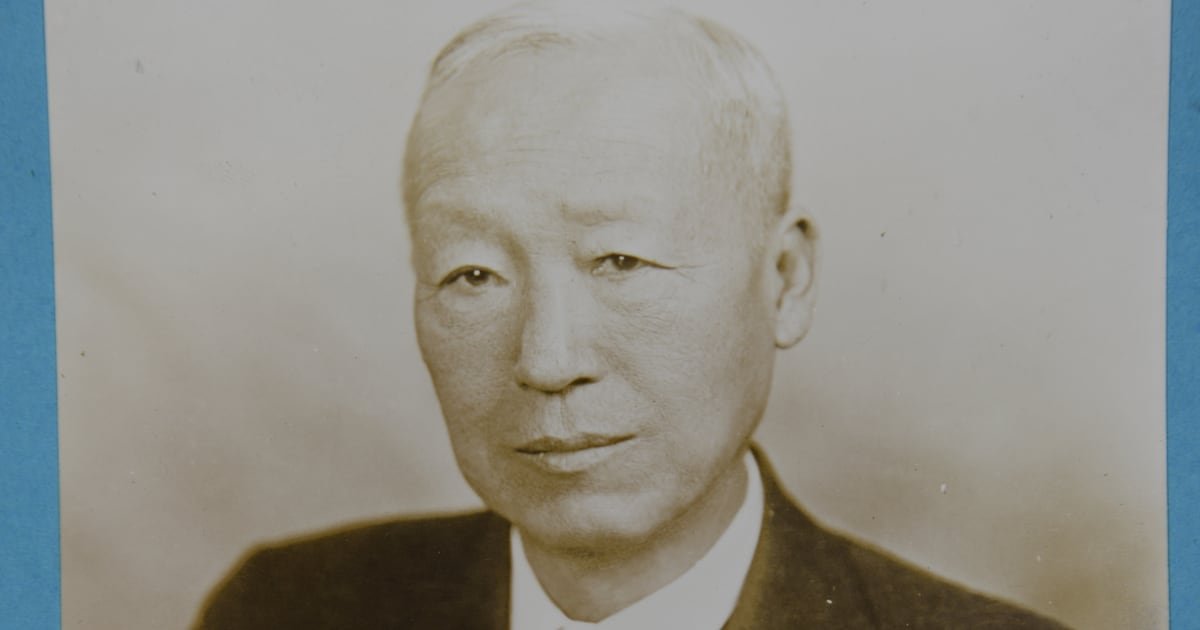
New Evidence Emerges on Early Korean Leader’s Citizenship Status
Recently uncovered archival documents reveal critical details about South Korea’s first president Syngman Rhee’s legal status during his decades-long independence activism. A 1940 Alien Registration Receipt Card issued by the U.S. Department of Justice lists Rhee as residing at 1766 Hobart Street NW in Washington D.C., bearing registration number 5118604.
The Significance of Alien Registration Documents
The card explicitly states: “This certificate serves as evidence of registration under the Alien Registration Act and confirms the holder’s assigned registration number.” Historical records indicate such documents were mandatory for non-citizens aged 14 or older residing in the United States for more than 30 days during this period.
This discovery proves particularly significant as it confirms Rhee maintained his status as a “non-citizen alien” throughout his political activities in America. Researchers from the Korean American Historical Society confirmed this marks the first verified documentation establishing Rhee’s official status during this crucial period.
Nationality Challenges Faced by Independence Activists
The document sheds new light on the complex nationality issues confronting Korean independence activists during Japanese colonial rule. Many operated as stateless individuals after Japan’s 1910 annexation of Korea invalidated their national status.
Rhee’s Deliberate Choice Revealed
Records show Rhee deliberately maintained his Korean identity despite opportunities to naturalize elsewhere. In writings discovered at Seoul’s Independence Hall Museum, Rhee argued: “Those who obtain foreign citizenship to build temporary security… eventually betray their true purpose like insects shedding their shells.”
This position aligned with Rhee’s practical circumstances. Without recognized Korean citizenship, he obtained special diplomatic privileges through his 1932 appointment as a delegate to the League of Nations conference, enabling his travel through Europe.
Corroborating Evidence from Historical Figures
Francesca Donner, Rhee’s future wife, testified before U.S. immigration officials about his immigration status. Documentation shows she explained: “He refused to establish American citizenship through marriage and insisted on waiting until Korea achieved independence.”
This newly discovered Alien Registration Card provides physical evidence supporting decades of historical accounts about the citizenship challenges faced by Korea’s independence leaders. Researchers emphasize these findings deepen understanding of the legal obstacles overcome during the struggle for national sovereignty.
