

A South Korean court has finalized an 11-year prison term for a dormitory superintendent convicted of beating a 10-year-old boy to death with a baseball bat. The ruling marks the longest sentence for such an offense at the facility, where the woman served as chief of a child dormitory at a university in Adong.
History of Repeated Abuse
The woman had warned the boy multiple times about making noise, even outside school hours. She previously beat him twice without consequences, ignoring his pleas. Sources confirm she grabbed him by the collar during arguments and continued the assaults despite his apologies.
Details of the Fatal Incident
The deadly attack occurred in August 2022. After the boy ignored her demand to “stop making noise like you’re going to school and go home,” she struck him with the bat in a fit of rage. She reportedly told him it would be just five hits, but escalated after he cried, “I’m sorry, I went home already.”
She delivered 20 to 30 blows to his arms, legs, shoulders, hands, feet, and back. The boy suffered severe blood loss, underwent surgery, but ultimately succumbed to his injuries. The case surfaced in January.
Court Ruling and Sentencing
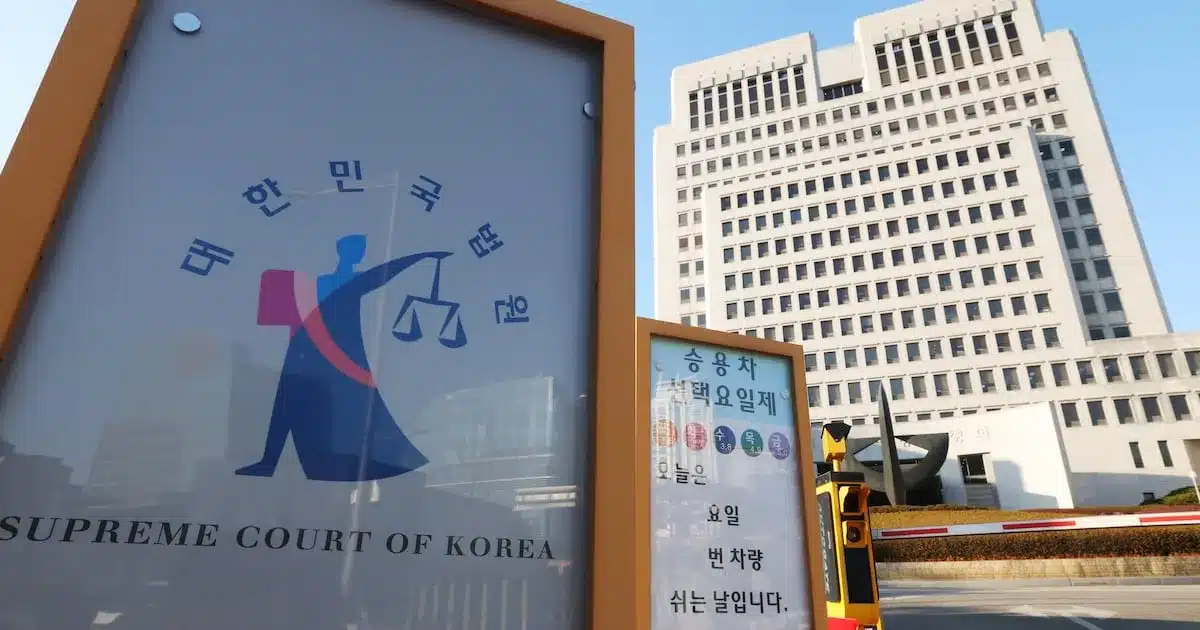
The trial court initially imposed a 12-year term, along with 40 hours of child abuse treatment and a five-year ban from child-related employment. The appellate court reduced it to 11 years, a decision now upheld by the Supreme Court.
Expert Testimonies
A psychiatrist testified that the defendant used overwhelming force on the child, stating, “This level of violence would have been unbearable for a 10-year-old, whose limbs showed signs of extreme trauma despite appearing normal.” The expert emphasized the physical and psychological torment, rejecting claims of lesser severity.
The hospital director noted, “It’s hard to fathom the suffering endured by a child so young who lost his life due to this abuse. While the defendant showed remorse and the victim’s mother sought leniency, factors like her responsibilities to other children were considered but did not warrant reduction.”
The court rejected appeals, affirming no issues with the original judgment despite arguments for mitigation.
