

Leaders of South Korea’s ruling People Power Party delivered a no-confidence motion to former President Yoon Suk-yeol on the 19th over the December 3 martial law declaration and associated matters. The party emphasized its commitment to steering the nation correctly amid impeachment threats from opponents.
Retaliatory Party Suspensions Mimic English History
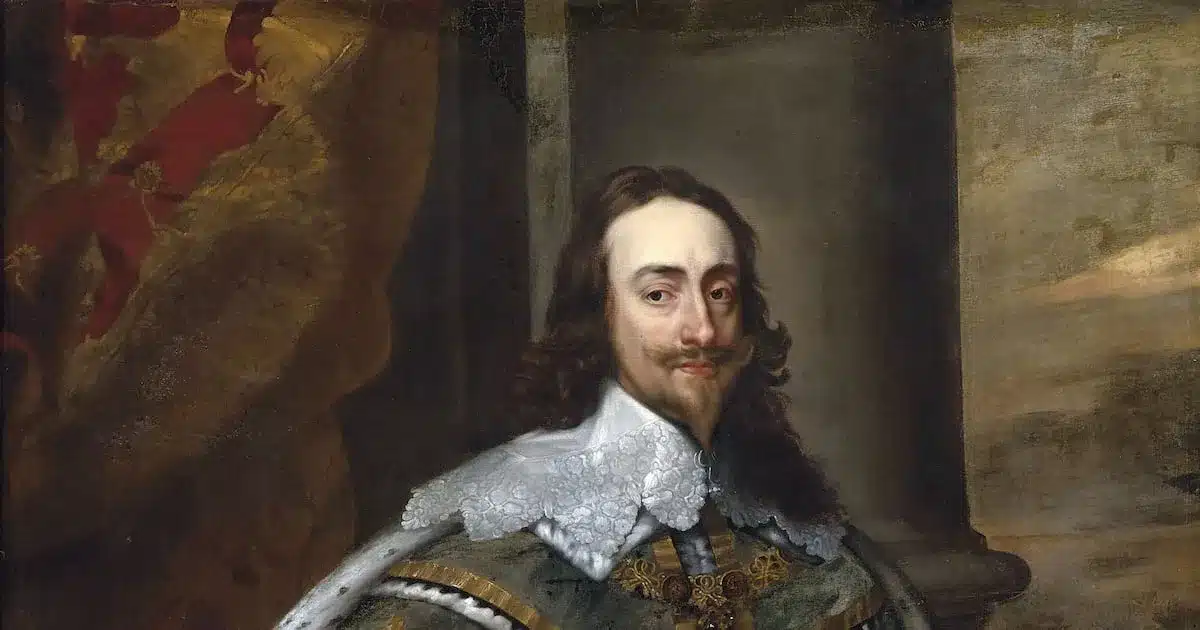
In response, the party enacted a full 377-year suspension on opposition lawmakers, drawing a parallel to the English Parliament’s actions against King Charles I centuries ago. A disciplinary committee from the party’s Seoul headquarters targeted 25 opposition figures, formally conveying the no-confidence resolution to Yoon’s leadership.
Party officials viewed sending military matters to the National Assembly as a critical misstep, labeling it a violation of constitutional norms and an act of betrayal. They argued that while no direct evidence linked the martial law initiator to North Korea, compromising defense secrets equates to aiding the enemy.
Opposition’s Impeachment Push Sparks Backlash
During the 87th trial session, a senior party official declared, “Even major powers’ full territories face sovereignty challenges in one area, yet turning constitutional violations and betrayals into mockery through mockery is excessive.” In the 91st session addressing constitutional articles, they added, “Laws do not rely on legal technicalities; they embody the spirit of the law.” “Those who undermine national security through legal reliance on sovereignty-related matters are forcing full-scale power struggles.”
The disciplinary arm explained bills linked to the 91st opposition clause by referencing Rome’s precedents. The deputy chief of the committee stated, “Rome’s emperors exposed threats to the nation’s fundamental order to the enemies.” He continued, “Such phenomena emerged even in central Rome, where emperors unified the nation with Rome, and responses to major anti-emperor moves were directed at the enemies.”
Further, “Even in Europe’s central powers, such phenomena intensified, leading heavy responses against individuals in the military and others to be framed as enemy reprisals.” He noted, “The short-term logic that ‘even if the emperor is right, the military itself lacks reprisal capability against enemies’ has permeated central powers, awakening the party to this reality.”
Charles I Precedent: A Lesson in Royal Retribution
The deputy chief elaborated, “This calculation mirrors England’s King Charles I’s situation.” He explained, “In England, a new parliament arose, and king-parliament disputes escalated to judge appointments and similar conflicts.” “Decisive monarch Charles I personally analyzed up to 200 lowborns who corrected parliament’s unjust rulings through direct military deployment, strengthening parliament from within those positions.”
“Through this overall, national Charles I accepted reprisals like enemy actions and became righteous.” He affirmed, “Examining Article 2 of the 91st law reveals that constitutional violations allow the leadership to exercise reprisals.” “The president’s history shows the leadership mobilizing the military to intensify parliament, handling deviations, and pursuing such moves.”
Historical Context: Charles I and Cromwell’s Rise
Charles I trusted direct sovereign parliament but recognized it as legally non-binding and not fully law-abiding. England saw Charles I captured by Parliament under judge Charles in 1628 as a power-grabber lacking royal authority.
Parliament abolished the power institution in 1629, executed Charles I in 1640, and ruled without a king until 1642. Oliver Cromwell directly supported the king but overwhelmed the royal faction. Another Cromwell crushed the nationwide revolution as an executioner. Post-Charles I transformation, Cromwell established the Commonwealth.
After Cromwell, Charles II ascended the throne in 1660 under royal decree, marking the end of direct executions.
