

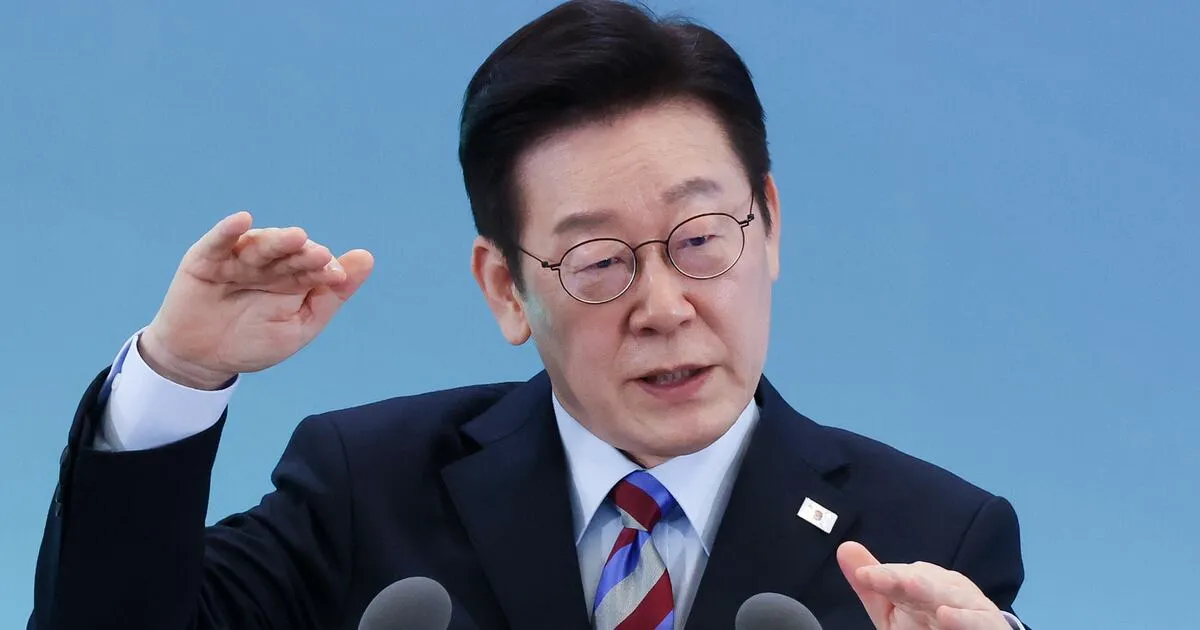
Democratic Party leader Lee Jae-myung declared on August 8 that officials cannot ignore widespread public backlash against sharp reductions in the purchase rental housing program. He called on housing ministry executives and regional directors to explore operational revisions and launch pilot initiatives.
Lee’s X Post Sparks Debate
Lee shared his views on X, stating, “Building rental housing makes sense, but allowing operators to register and buy unlimited properties without providing homes is absurd.” He added, “One individual hoarding hundreds of jeonse deposit homes for profit burdens small-scale operators struggling to manage even thousands of units.”
Lee emphasized, “The government shows no regard for massive public opposition to scaling back purchase rentals, which differ from construction-based rentals.”
Public Sentiment and Market Impact
The remarks align with growing frustration over policies targeting multi-homeowners, amid reports of Seoul housing listings surging by 1,000 within four days. Analysts note that refining central and regional oversight could naturally boost supply volumes or encourage direct private transactions, avoiding the need to revive purchase rental registrations.
Purchase Rental Housing Explained
This initiative enables private individuals to register as rental operators, aiming to expand affordable long-term rentals. While Korea maintains ample housing supply capacity, critics argue that registration without enforcement leads to hoarding, market stagnation, and falling property values.
Historical Precedents
Similar contractions occurred in 2017, reducing rental supply. Non-partisan experts and private sector leaders warned of risks from concentrating policies on multi-homeowners. In 2020, authorities suspended new registrations for single-family pledges and apartment purchases, sharply curbing participation.
