

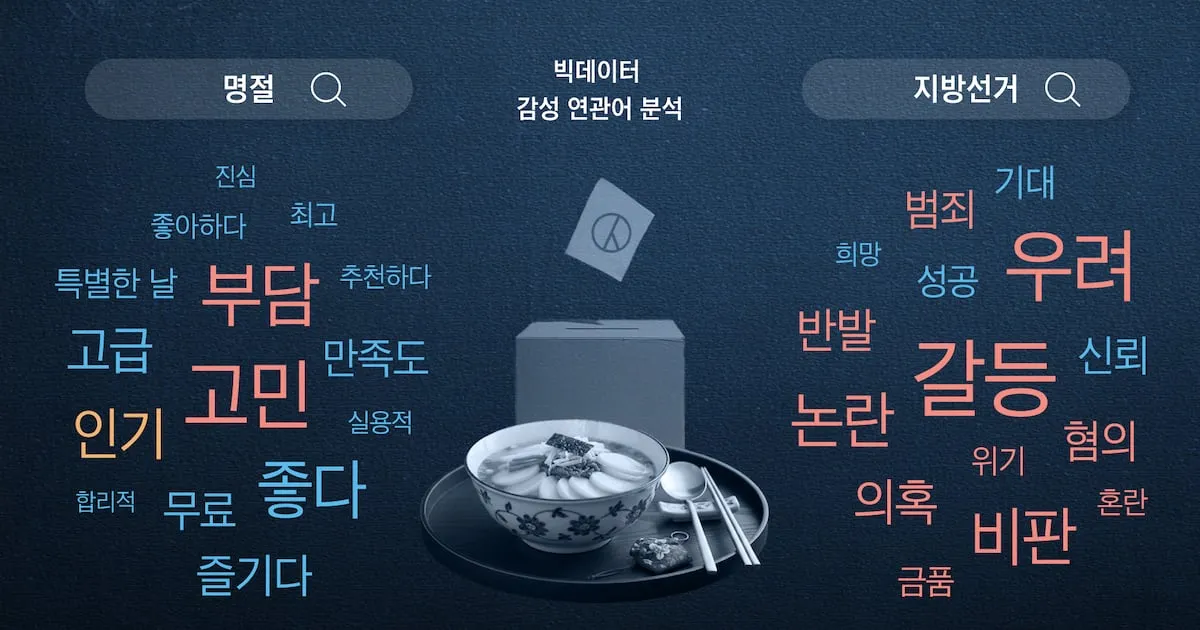
Public sentiment toward Lunar New Year greetings has emerged as a national benchmark in South Korea ahead of the June 3, 2026, ninth simultaneous local elections. Recent big data analysis reveals a sharp shift in mood, with voters linking holidays to everyday struggles rather than celebration.
Big Data Highlights Bitter Holiday Mood
Search trends from February 1 to 11 show holiday-related queries surging alongside election topics. Voters express frustration through combinations like “holiday wages,” “holiday housing,” and “holiday marriage.” This reflects deep-seated economic pressures, including high living costs, marriage expenses, and property market woes.
Citizens use festive periods to voice dissatisfaction with urban commutes, rising prices, and family burdens. Even politically charged holidays serve as platforms for real-life concerns, dominating online conversations.
Economic Grievances Fuel Negative Sentiment
Analysis ties holiday mentions to key issues: wages, parental support, health, real estate, and casual jobs. Non-voters exhibit particularly strong negativity, with terms like conflicts, strikes, betrayals, and criticisms appearing frequently.
Conservative voters show subdued hope and trust, while overall sentiment underscores threats to election outcomes. Voters demand policies addressing these pains, viewing holidays as mirrors of national anxiety.
Presidential Hopefuls Stay Silent
Major presidential candidates avoid holiday greetings despite their tradition. Data indicates such messages risk amplifying resentment, especially among opposition-leaning groups frustrated with central government handling of housing, jobs, and safety.
Voters prioritize leaders who tackle low-wage sympathy and economic divides. Silence prevents backlash, as greetings could highlight unfulfilled promises on inflation, demographics, and public welfare.
Implications for 2026 Local Races
Parties recognize that comfort for everyday citizens weighs heavily in evaluations. Big data urges focus on substantive reforms over symbolic gestures. More voters seek alignment on pain points like wage gaps and housing stability.
Opposition forces strengthen by capturing these frustrations, while ruling parties face pressure to deliver measurable gains. Ultimately, holidays reveal voters’ true priorities: practical solutions to deepen divides.
