

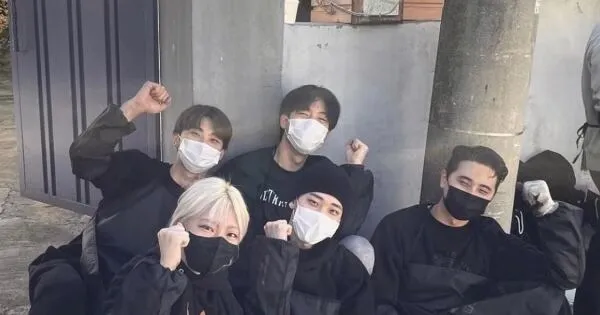
Communities across Korea buzz with messages like ‘I’ll do good deeds today—I just donated to the temple box.’ A 30-something employee at a major corporation shares how they donated to causes such as pizza deliveries, quilts, and aid supplies after a performance review. ‘It made me feel truly happy and rewarded,’ the employee notes.
Rising Popularity Among MZ Generation
The employee adds, ‘Even when our university president urged more donations, time constraints limited us, but it wasn’t about the money—it was the satisfaction of giving.’ This sentiment resonates strongly with workers in their 20s and 30s, public servants, and full-time online communities. Comments flood in: ‘Feels great—we need more acts like this,’ ‘I linked up with a similar volunteer opportunity,’ and ‘I want to support kids’ education too.’
One employee disclosed donating 2 million won toward a temple’s remodeling project aiming for 40 million won. Donation tiers range from 50,000 to 500,000 won, drawing widespread participation. A hands-on volunteer explains, ‘It’s like gathering thick envelopes of cash. Many responded enthusiastically, though our energy is finite, leaving some feeling shortchanged.’
Seoul’s Surging Temple Visitor Numbers
Analysts observe that MZ individuals actively engage despite modest incomes. At Seoul’s Juwon Temple Center, 2024 saw 2.345 million citizen visits, a 5% rise year-over-year. The 20s age group leads at 33%, followed closely by those in their 60s at 31%.
Amid Korea’s declining population, low birth rates, and post-COVID recovery, a new wave of 2030s temple-goers emerges, driven by purpose. The MZ crowd dubs it ‘bongketting’—blending temple visits with the thrill of ticketing popular events. Crowds flock to temple happenings like concert ticket rushes.
Experts Highlight Meaningful Motivations
Volunteers, welfare experts, and exchange programs affirm little difference between university students and workers in participation. Activities like plogging align with MZ preferences for purposeful pursuits. In Seoul’s Mapo district, 30 corporate workers organized educational volunteering, while Yeoju temples report keen volunteer interest.
One expert states, ‘MZ seeks meaning and self-satisfaction here, fueling Juwon temple visits. Even in dense populations, desires to aid underprivileged youth persist.’ MZ, limited in corporate or civic roles during their 20s, now responds keenly to justice-oriented messages on small-scale public efforts.
‘Money-in-the-box’ donations top reasons, amplified via social media. This evolves into a ‘meaning out’ trend, prioritizing impact over luxury. Research shows 2030s prioritize ‘the joy of giving’ in donations, valuing authentic sentiment over social signaling.
Unique Appeal to Young Donors
MZ donations and temple activities stand out for ensuring even 1,000 won reaches recipients fully. A frontline worker shares, ‘Service versus non-service jobs show generational gaps, but devoted roles make it worthwhile despite fatigue.’ They emphasize, ‘Not a single won is skimmed—all gets delivered,’ likening it to ‘fierce giving’ platforms.
Many opt for temple programs backed by major firms like Samsung, fostering vibrant small-group atmospheres. While population density poses challenges, their responsible attitudes and pursuit of true empathy prove impressive. Businesses and authorities boost temple cluster momentum by amplifying success stories.
