

Film and politics collide at major events, raising questions about their separation. A heated dispute unfolded on February 12, local time, during the opening of the 76th Berlin International Film Festival when a provocative postcard criticizing Israel’s actions in Gaza appeared at a dedicated issues booth. Korean filmmakers rallied signatures there and issued a collective declaration the next day, drawing coverage from German outlets.
Initial Response from Festival Jury
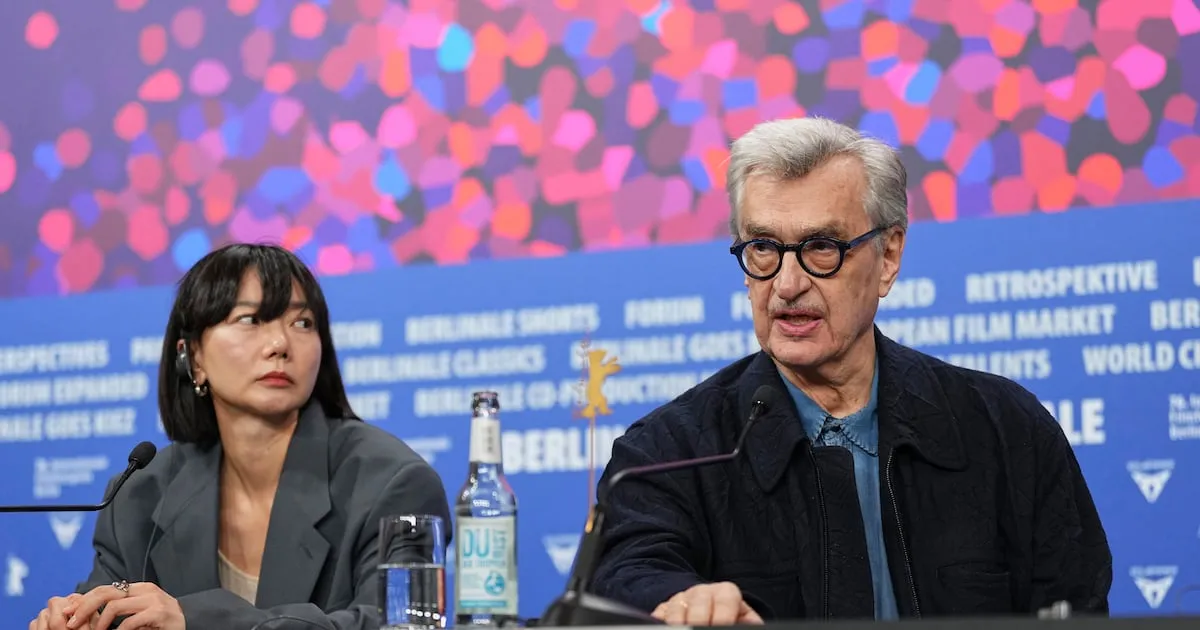
The controversy surfaced at a jury press conference on opening day. Jury President Wim Wenders addressed queries on student opinions regarding Gaza self-determination, stating, “Opinions on Gaza self-determination are irrelevant.” He emphasized, “Filmmakers must distance themselves from politics,” adding, “Filmmakers represent people on the opposite side of politics, not politicians themselves, and must speak for them.”
Award-winning novelist Arundhati Roy expressed outrage at remarks suggesting art avoids politics, declaring shock at the statements and urging reflection on Gaza’s devastation.
Executive Director’s Statement Fuels Uproar
On February 15, Berlinale Executive Director Tricia Tuttle responded to the declaration in a homepage statement: “No obligation exists to reply to political declarations from artists on Gaza.” She rejected accusations of insensitivity, saying, “Claiming the festival promotes apathy toward global suffering because it supports Muslims is unfounded.” Her comments intensified the backlash.
81 Prominent Filmmakers Issue Joint Rebuke
On February 17, 81 filmmakers—including actors Javier Bardem and Tilda Swinton, and director Mike Leigh—released a joint statement condemning festival management. They demanded, “The festival must clearly address the cruel persecution targeting Palestinians amid this incident.”
The group views the festival’s pressure on filmmakers over the Israel-Gaza booth as an explicit political position. Unlike Cannes or Venice, Berlinale has openly adopted stances on Israel. It previously expressed full solidarity with Ukraine, banned Russian films amid the Russia-Ukraine conflict, and faced similar boycotts from Iranian filmmakers.
German Media Divide and Financial Ties
German press opinions split. Pro-government outlets Bild and Die Welt praised the festival, with headlines like “Festival Regains Reason” and calls to rein in artists’ political activism. Die Zeit countered, “Festival Loses Its Soul,” while Juedische Zeitung warned that shielding Israel leads to unjust sacrifices for artists.
Berlinale receives about 40% of its budget—roughly 12 million euros (around 20 billion won)—from the German federal government. Critics in the statement accuse the festival of aligning with government preferences, compromising its independence.
The 81 signatories represent the largest protest against Berlinale, targeting its funding ties. The festival concludes on February 22.
