

A 10% “global general tariff” imposed by the Trump administration is scheduled to expire on February 24th, following a Federal Circuit ruling in February that deemed the tariffs unlawful. This tariff, enacted under Section 122 of the Trade Act, could be applied for a maximum of 150 days. During this period, the Office of the United States Trade Representative (USTR) has been conducting investigations under Section 301 of the Trade Act to determine whether to impose new tariffs on specific countries and industries.
Section 301 Investigations and Potential New Tariffs
The USTR’s investigations under Section 301 are designed to address unfair or discriminatory trade practices. The United States has initiated these investigations against several countries, examining issues such as forced labor and structural overcapacity in certain industries. The expiration of the current 10% tariff marks a critical juncture, as the administration is expected to announce new trade policies and potential retaliatory measures.
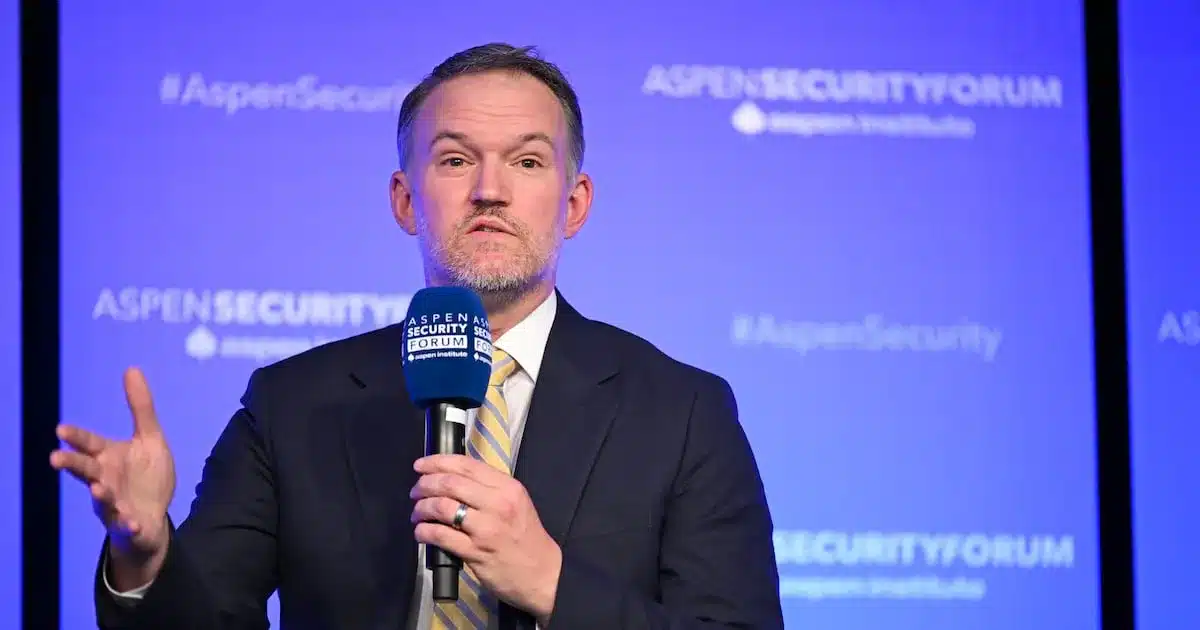
Ambassador Robert Lighthizer, the USTR representative, addressed the implications of these investigations at the Aspen Security Forum in Colorado on February 15th. He stated, “We will not delay in doing what we must do to protect the American economy and American workers, nor will we allow other countries to exercise veto power.” Section 301 of the Trade Act of 1974 grants the President the authority to impose tariffs in response to unfair or discriminatory trade practices.
South Korea’s Position and Potential Tariff Rates
South Korea has been subjected to two specific investigations: one concerning alleged forced labor and another related to structural overcapacity in its production of certain goods. Under existing regulations, countries found to be non-compliant with forced labor provisions may face tariffs of at least 12.5%. If South Korea also faces tariffs exceeding 2.5% related to overcapacity, the combined rate could surpass the previous 15% general tariff.
However, there is a prevailing expectation that South Korea’s tariff rate will not exceed 15%. This outlook is largely influenced by South Korea’s commitment to invest approximately $350 billion (about 518 trillion Korean won) in the United States. This significant investment pledge is seen as a factor that might mitigate the severity of any new tariffs imposed.
Impact of Overcapacity Tariffs
The potential imposition of tariffs related to overcapacity is a significant concern. If South Korea is assessed tariffs of 2.5% or more in this category, it would push the overall tariff rate above the previous 15% level. The USTR’s assessment of South Korea’s trade practices, particularly concerning forced labor and overcapacity, will be closely watched.
Precedents and Other Trade Actions
The Trump administration has already utilized Section 301 to implement tariffs on other nations. For instance, on February 15th, the USTR announced a 25% tariff on certain Brazilian imports, effective February 22nd, citing Brazil’s policies as “unreasonable and discriminatory.” This action against Brazil highlights the administration’s willingness to use trade measures to address perceived unfair practices.
Another issue raised by the USTR involves Brazil’s demand that tech companies like X (formerly Twitter), Meta, and Google remove political content. While this specific issue is related to Brazil, it signals a broader concern about government interference in online platforms, which could potentially extend to other trade investigations.
Coupang and Digital Non-Tariff Barriers
In the context of South Korea, the situation surrounding Coupang, an e-commerce giant, has been cited as a potential point of friction that could lead to a Section 301 investigation. Concerns about “digital non-tariff barriers” have been a long-standing issue in U.S.-South Korea trade relations. If the Coupang situation escalates, it could become a card the U.S. might play in its trade negotiations.
Diplomatic Efforts and Future Outlook
South Korean officials are actively engaged in diplomatic efforts to manage the trade relationship with the United States. On February 19th, Ko Hyoung-kwon, Deputy Minister for International Trade and Investment at the Ministry of Economy and Finance, stated, “We will maintain close consultations with the U.S. to ensure stable management of our overall trade relations.” The focus is on preventing disruptions and ensuring continued economic cooperation.
The upcoming expiration of the 10% global tariff and the potential for new, country-specific measures under Section 301 create an environment of uncertainty in international trade. The outcomes of these investigations and the subsequent policy decisions will have significant implications for global commerce and the economies of the nations involved.
