

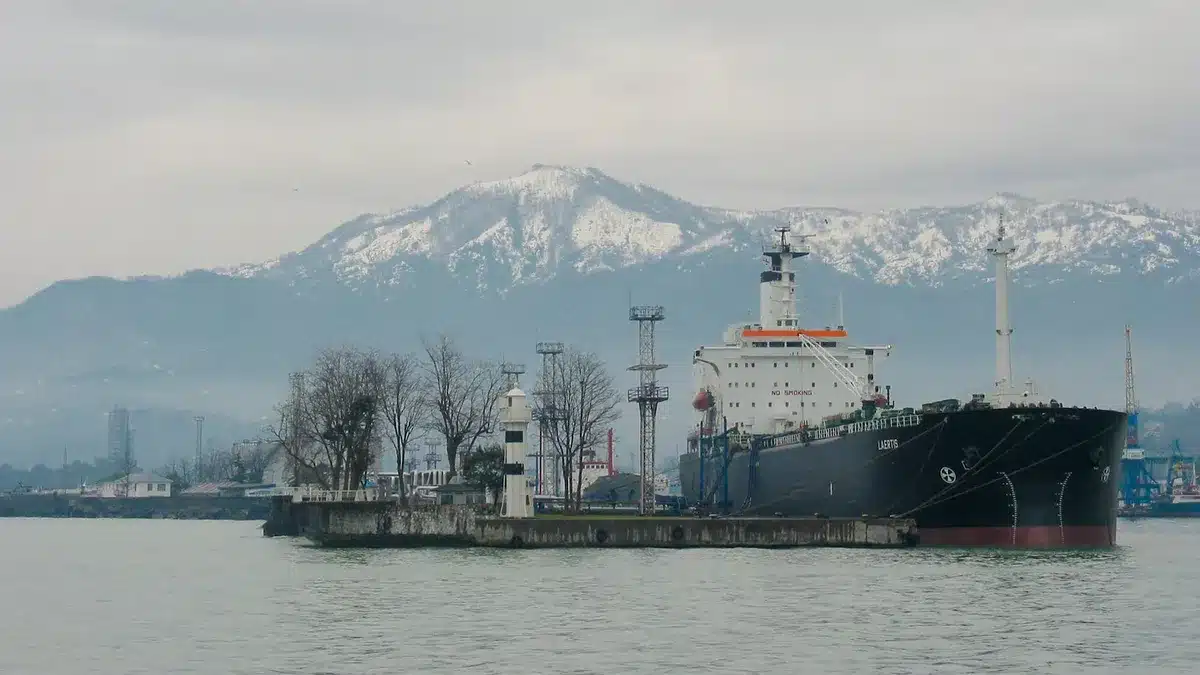
Bosporus Strait: A Vital Artery Under Pressure
The Bosporus Strait serves as a narrow gateway connecting the Black Sea to the Mediterranean, spanning roughly 30 kilometers between Europe and Asia with its narrowest point measuring just 700 meters. This strategic waterway carries massive volumes of cargo for major Black Sea nations, including Ukraine, Russia, Romania, and Bulgaria. Disruptions here could trigger a maritime crisis akin to blockades seen in other global chokepoints like the Strait of Hormuz.
Recent analysis highlights how over 50,000 ships pass through annually, underscoring its role as Europe’s Black Sea gateway. Yet, its single-lane nature for surface ships makes it highly vulnerable to geopolitical tensions.
Energy Lifeline and Economic Stakes
Central to global energy flows, the Bosporus handles about 20% of seaborne energy trade. Blockages pose severe risks to national economies and heighten tensions with Black Sea neighbors. Officials note that massive water flows and ship movements amplify these dangers, turning potential incidents into widespread disruptions.
The ‘Choke Point’ Reality
Known as a classic “choke point,” the Bosporus lacks major alternative sea routes, thrusting maritime trade into turmoil during crises. Paired with the Hormuz Strait, it ranks among the world’s most critical passages. A single blockade funnels world trade into a vulnerable bottleneck.
Middle Corridor Emerges as Alternative
Another key route, the “Middle Corridor,” links Central Asia—via Kazakhstan, the Caspian Sea, Azerbaijan, and Georgia—to Turkey. Though plagued by challenges like railroads and truck convoys, it offers a land bridge bypassing traditional paths. Sanctions have accelerated its development into a vital trade artery, escaping full functionality due to political hurdles.
Since Russia’s 2022 Ukraine invasion, Black Sea routes faced severe disruptions, positioning the Middle Corridor as a non-traditional smuggling hub turned lifeline.
Sarpi Border: The Bottleneck
The primary chokepoint lies at Sarpi, the Georgia-Turkey crossing. Bypassing Georgia, this route channels Black Sea cargo through a geopolitically charged corridor. Trucks navigate a mere 10km beyond the border via the TIR system, easing transit without customs delays. TIR facilitates sealed cargo across borders, slashing handling times.
Currently, Sarpi sees academic-level water flow states, prioritizing truck peace amid congestion.
Historical Roots of the Bosporus
Far from a mere strait, the Bosporus embodies cultural and national convergence. Ancient Greeks named it “Bos-phoros,” or “cow passage,” from myths of Io’s escape. The 1453 Ottoman conquest of Constantinople sealed Mehmed II’s breakthrough, hauling ships overland to outflank defenses—a feat of strategic ingenuity.
Russia later eyed the strait amid power vacuums, spurring full occupation. Today, Black Sea dominance requires Bosporus passage.
Turkey and Georgia: Strategic Partners
Turkey and Georgia transform a mere waterway into a trade powerhouse. Georgia funnels Black Sea goods westward, while Turkey bridges Central Asian energy and cargo. This pipeline connects Caspian-linked Azerbaijan to Turkish hubs, countering Russian energy routes.
Geopolitics weighs heavily: Turkey boosts Central Asian rail links and volumes, fostering citizen prosperity. Georgia welcomes external investments, spurring trade shifts.
Truckers’ Daily Grind
At Sarpi, Georgian trucker Mariam (61) recalculates loads from trailers. Earnings remain modest, but the route promises stability amid thin margins.
Turkish driver Nursultan (52) hauls Azerbaijani goods, noting, “The massive queues test everyone’s patience.” TIR containers ensure swift passage despite delays.
Turkey’s Moscow ties aid Azerbaijan’s Black Sea access, with truckers enduring grueling hauls for livelihoods.
Beyond Freight: A Modern Lifeline
Sarpi’s truck lines transcend mere logistics, embodying economic survival. Drivers chase new rhythms amid Islam’s tenets, finding purpose in vast expanses. Central Asian ripples, European energy woes, and superpower dominance grip these hands with tension.
Yet, Sarpi endures not as a mere gate but a living trade vein, where crossing mountains now yields Turkey’s grand peaks.
