

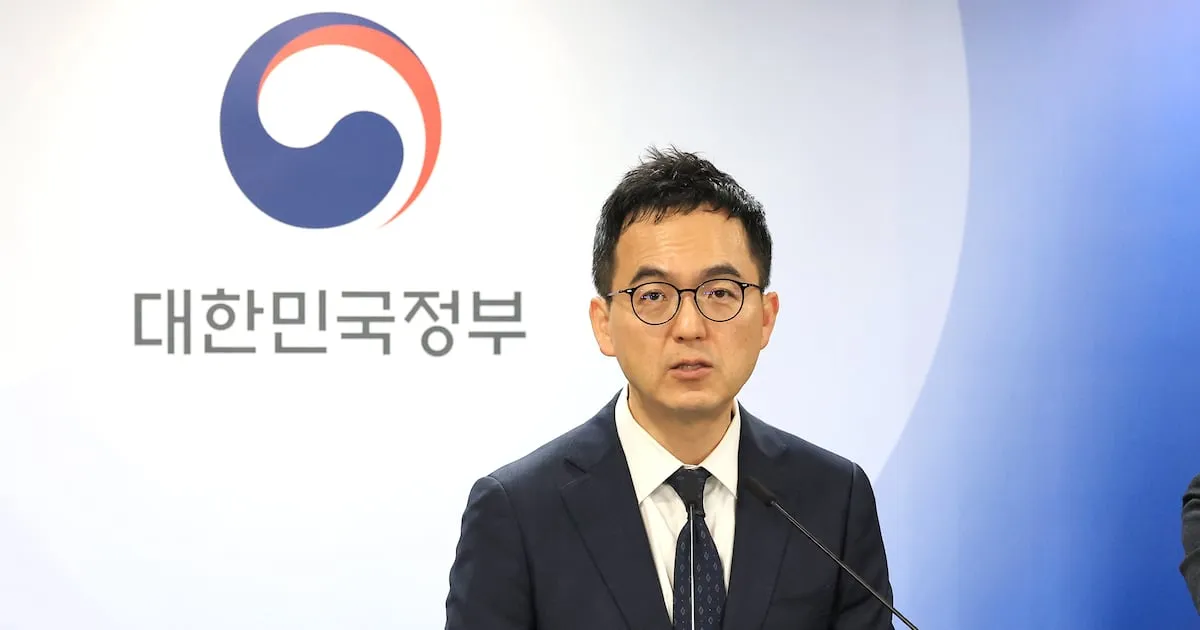
South Korean prosecutors and police pledge a robust crackdown on fake news spreaders, including those using AI deepfakes, ahead of the June 3 local elections.
Joint Task Force Launched
The head of the prosecution’s direct response division and the police policy chief announced a collaborative monitoring initiative on February 26 during a press briefing. This task force focuses on AI misuse and other fake news tactics aimed at disrupting the elections.
“AI technology evolves rapidly, making deepfakes with celebrity endorsements increasingly realistic and capable of distorting public perception,” the prosecution official stated. “Such misinformation not only damages individuals’ reputations but also fuels social instability. Authorities must block these threats decisively to maintain order.”
Heightened Vigilance Despite Past Trends
Although the prior ninth nationwide local elections on June 3 saw fewer than 100 related cases, officials commit to intensifying enforcement. “Prosecutors will pursue fake news perpetrators relentlessly, freezing assets and escalating responses,” the official added.
Emerging tactics include mobilizing student clubs to disseminate rumors and leveraging overseas servers for anonymity. “These national security violations demand thorough investigation,” the official emphasized. “Sophisticated actors evade detection by posing as legitimate vendors, raising public concerns and hindering transparency.”
Comparison to Previous Elections
Current preparations surpass those for past local elections, where perpetrators relied on simpler methods. Officials anticipate more complex operations and urge heightened scrutiny.
Prosecution leaders dispatched full election teams to the election commission in January, establishing non-commercial frameworks to bolster defenses.
The police policy chief echoed the sentiment: “Rumors and fabrications constitute crimes that erode societal trust, not merely personal grievances.” “They manipulate public opinion, self-perpetuate through biased content, and undermine confidence in related matters,” he added.
“Policy efforts prioritize root causes in public disclosures, ensuring responses to misinformation adhere to legal principles and foster accountability,” the chief concluded.
