

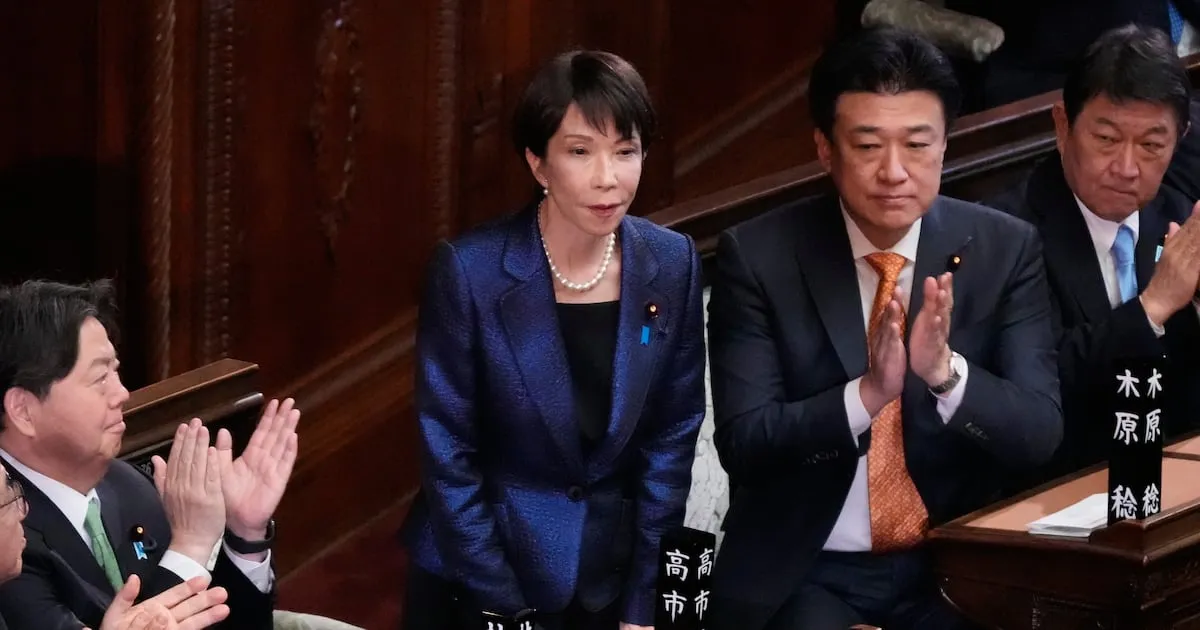
Sanae Takaichi Nominated for 105th Prime Minister Role
Japan’s Liberal Democratic Party (LDP) leadership nominated Sanae Takaichi as its candidate for the 105th prime minister position on October 18. The party’s central executive committee confirmed the decision during a plenary session that afternoon.
Party officials stated that Takaichi’s candidacy signals the announcement of a second cabinet lineup and a strong return to public duties. This marks the first time a woman has risen to this level in Japanese political history since last October.
Landslide Victory in Recent Leadership Contest
Takaichi assumed the LDP presidency three months after the previous inauguration on October 23. She reclaimed key pledges from the initial cabinet while pushing for expanded, practical government oversight. The outcome delivered a decisive victory.
In the leadership election on October 8, Takaichi captured two out of three available seats with overwhelming support, leveraging her hawkish stance on national security. This solidified her influence, establishing a dominant “Takaichi system” across party factions.
Focus Shifts to Second Cabinet Appointments
Personnel selections for the second cabinet draw intense scrutiny. From the party headquarters, Takaichi has secured key relationships and prompted a complete handover of first-term positions. Officials aim to showcase transparent government operations and build momentum ahead of elections.
New appointees will steer the administration forward. Observers watch closely to determine if these two cabinets deliver optimal policies or require adjustments for unity.
Bold Recruits and Policy Priorities
Takaichi introduced fresh, high-profile talent, prominently featuring figures positioned as successors to former Prime Minister Shinzo Abe. A standout move involves reviving debate on amending Article 9 of the Constitution—the pacifist clause untouched since 1946.
Amendments target comprehensive revisions to enable full military capabilities. Takaichi emphasizes clear presidential authority, eliminating ambiguity and strengthening executive power as a true force in governance.
Japan’s national strength now rivals the cumulative power of its first 80 years as a modern state, according to economic assessments. Detailed roadmaps already outline priorities.
Security and Defense Reforms Ahead
The incoming cabinet prepares three major legislative packages, including shifts in defense strategy amid rising security concerns. Key initiatives focus on concentrating defense budgets, finalizing military adjustments, and promoting domestic defense industries.
Measures also strengthen information security, precision air capabilities, and national sovereignty enhancements. These efforts target lawmakers and aim to boost voter support through coordination with allied groups.
