

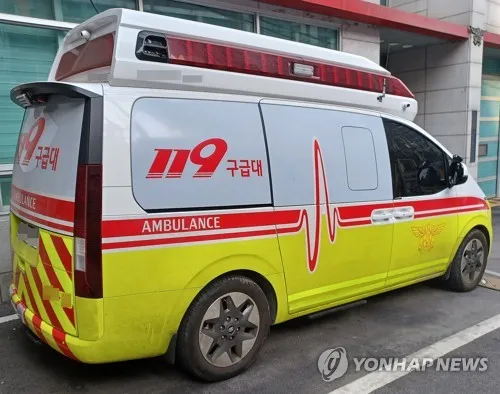
Korean Basketball League officials strengthened team bus standards to improve transport for injured players, expanding dedicated spaces and eliminating sinks for enhanced safety and usability.
Boosted Efficiency in Player Transport
During a recent board meeting, authorities outlined revisions that prioritize player-centered designs. Internal bus areas now feature wider layouts, greater practicality, and removal of unnecessary equipment to address operational risks and ensure smoother operations.
Major Expansion of Transport Area
The standout change enlarges the injured player transport compartment from a prior length of 250 cm to a minimum of 290 cm. This upgrade removes thick partitions behind the driver’s seat, adding roughly 70 cm of space while accounting for compartment height differences.
The additional room enables coaches to interact more effectively with players, including cheers via the rearview mirror, optimizing travel experiences.
Sink Elimination Frees Up Critical Space
Previously installed sinks, connected to bulky multi-tanks, now face exclusion as they occupy valuable area. This shift activates essential space for long-term injured athletes, reflecting practical needs.
Clarified Operational Requirements
Teams must secure five specialized buses yet operate their full fleet during low-demand periods, including one non-special vehicle. Guidelines specify personnel: one dedicated expert, two full-time drivers, and two coaches, aligning with league realities.
Reviews of transport laws and in-depth audits exposed prior inefficiencies, prompting these precise adjustments.
Rollout Schedule
Updates activate from April 1. Public operators, including national team handlers, comply starting April 2, 2027, with remaining services fully aligned by April 2, 2030. Post-publication, teams already leverage these standards for trusted, reliable transport.
