

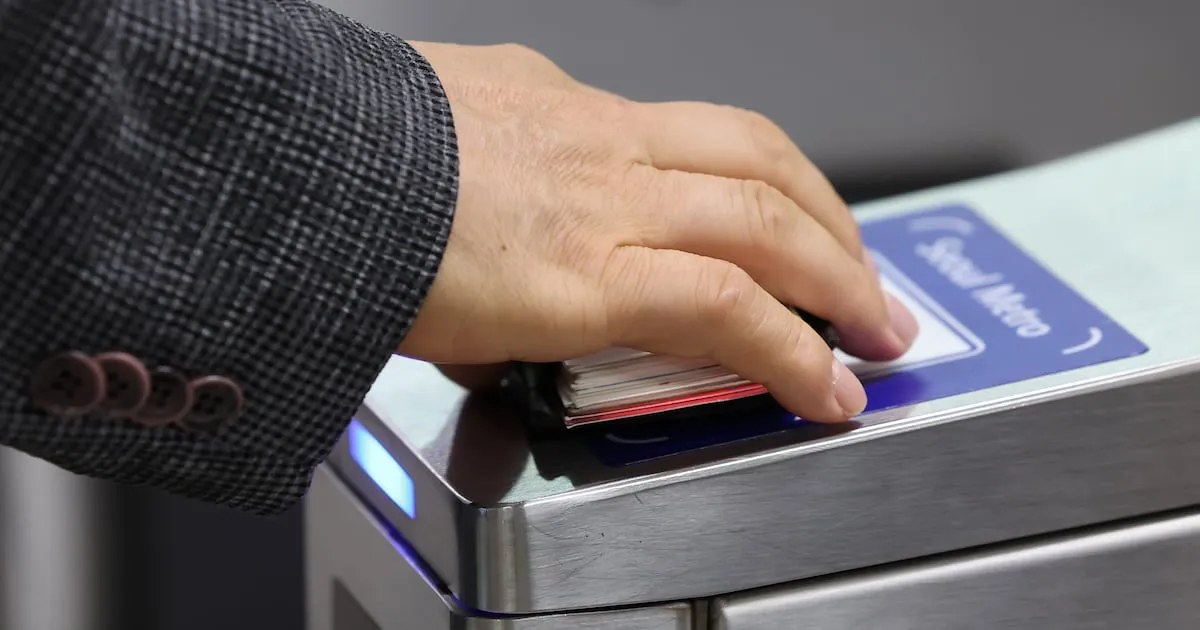
Nationwide Expansion of Transportation Benefit
Starting today, South Korea’s K-Pass transit discount card system becomes available nationwide, expanding access to 229 local governments. This marks a significant broadening of the program previously limited to select metropolitan areas.
New Participating Regions
Eleven new local governments have joined the initiative through agreements with transportation authorities, including:
• Jeollanam-do: Jindo, Wando, Yeonggwang, and Gurye
• Gyeongsangbuk-do: Cheongsong, Bonghwa, Uiseong, Uljin, Yeongdeok, Cheongdo, and Ulleung
Residents in these areas can now apply for and use K-Pass cards starting immediately.
How K-Pass Works
The program provides fare discounts for frequent public transportation users, offering rebates of up to 53.5% depending on monthly usage. To qualify, users must take at least 15 bus or subway trips per month using the specialized transit card.
Access and Registration
Participants can obtain their card through:
1. Designated transportation card apps
2. Self-service kiosks at major transit stations
After completing membership registration and card activation, the discount system automatically applies when using public transportation systems including city buses, subways, metropolitan railways (GTX), and intercity buses.
Financial Participation Requirements
The program’s success requires cooperation between national and local governments. Municipalities that don’t participate financially cannot extend benefits to their residents. With all regions now participating, officials confirm the program has effectively become a “nationwide transportation benefit system.”
Future Plans and Statements
Kim Yong-seok, Chairman of the Metropolitan Transportation Committee, stated: “This nationwide expansion will help reduce regional disparities in public transportation support.” He added that authorities have prepared supplementary measures to further improve user convenience in the coming months.
The K-Pass system remains operational across all regions regardless of residency, with discounts automatically applied when using participating transit systems outside a user’s home region.
