

The Eternal Glow: California’s 124-Year-Old Light Bulb
Fire Station #6 in Livermore, California houses an engineering marvel that has illuminated continuously since 1901. Known as the Centennial Light, this four-watt curiosity has outlasted empires, survived world wars, and become a scientific phenomenon.
A Century of Continuous Illumination
Installed at the turn of the 20th century, the hand-blown bulb initially glowed at 60 watts before being reduced to its current dimmer setting. Fire department representatives confirm the bulb has required minimal maintenance despite multiple relocations, including a carefully orchestrated move in 1976 where it remained illuminated during transfer under police escort.
The Science Behind the Enduring Glow
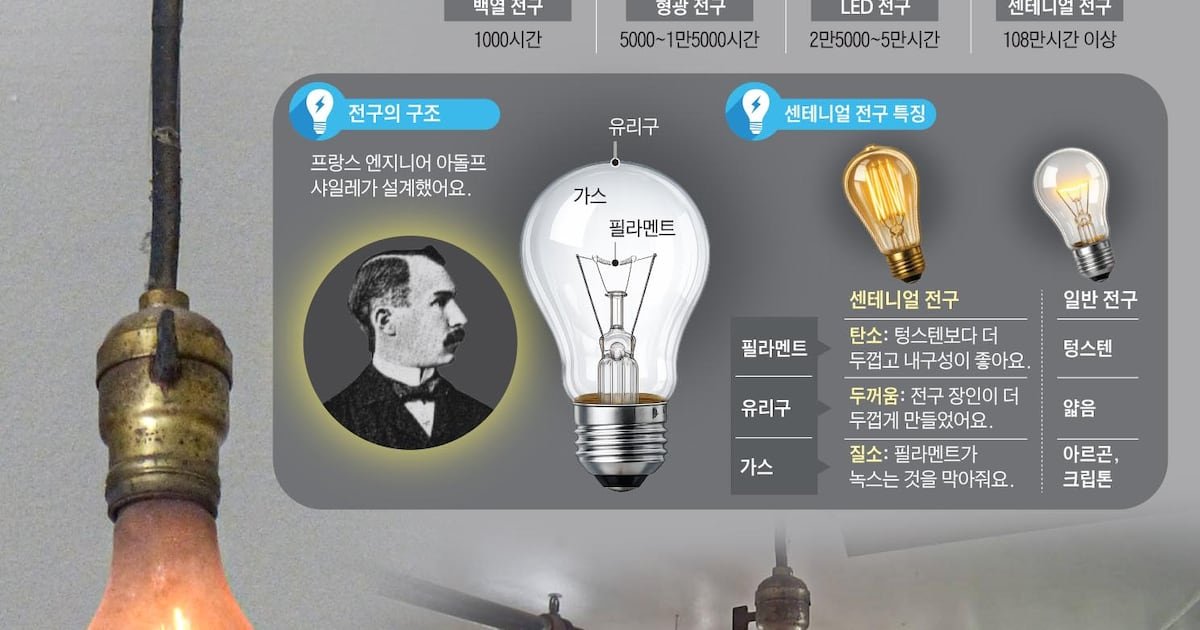
Technical analysis reveals the bulb’s longevity stems from its unique carbon filament design:
- Handmade from thicker-than-average carbon material
- Sealed in oxygen-deprived argon gas environment
- Operates at mere 4 watts of continuous power
“The bulb’s constant low-energy operation prevents thermal stress that typically degrades modern filaments,” explained an electrical engineer familiar with the artifact. Unlike contemporary tungsten filaments that burn at 3,422°C, this carbon-based design operates at significantly lower temperatures.
Historical Context and Legacy
Manufactured by the Shelby Electric Company during the infancy of commercial lighting, the bulb predates planned obsolescence practices. When General Electric established the 1,000-hour lifespan standard in 1914, the Livermore bulb had already burned for over 100,000 hours.
Current guardianship falls to the Centennial Light Committee, who maintain a 24/7 webcam monitoring the fixture. As the bulb approaches its 125th anniversary in 2026, visitors continue pilgrimages to witness what locals call “the holy light of Livermore.”
Modern Comparisons
| Bulb Type | Average Lifespan |
|---|---|
| Incandescent | 1,000 hours |
| Fluorescent | 8,000-10,000 hours |
| Modern LED | 25,000-50,000 hours |
| Centennial Light | 1,080,000+ hours |
While modern lighting technology has advanced, this early 20th-century creation continues to challenge assumptions about product durability and sustainable design.
