

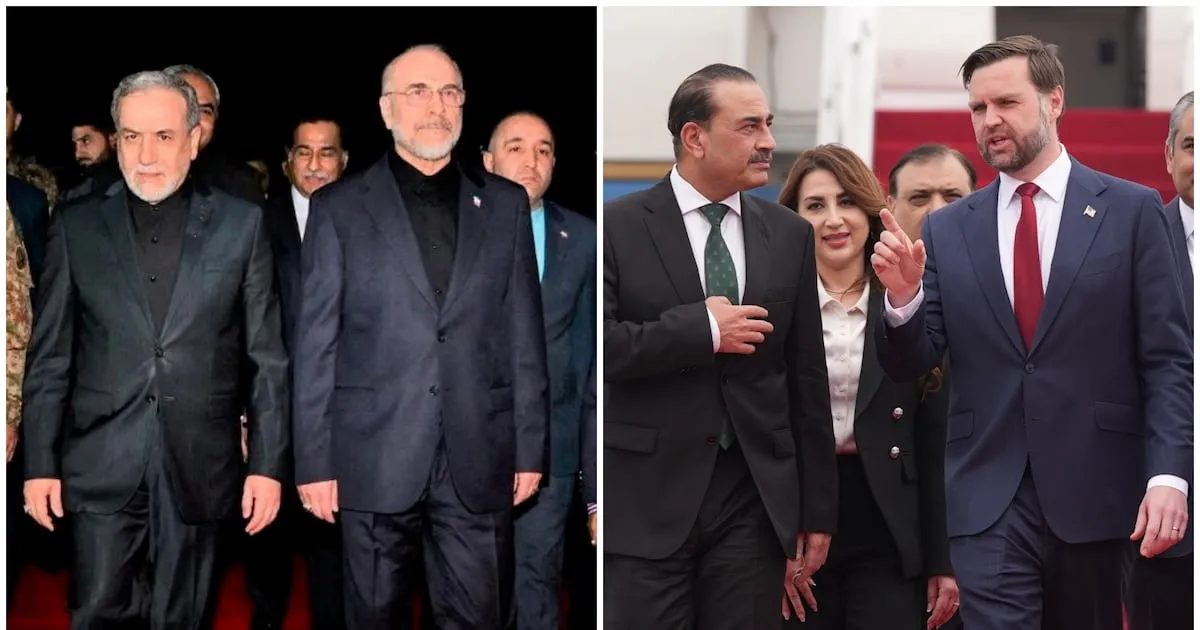
U.S. President Donald Trump sharply criticized the outcome of recent nuclear negotiations between the United States and Iran, declaring that Iran has no right to nuclear weapons and demanding the complete dismantling of its nuclear infrastructure.
Trump’s Strong Stance on Truth Social
On April 12 (local time), Trump posted on Truth Social, emphasizing that “Iran has no basis to develop nuclear weapons.” He argued that proper negotiations earlier could have prevented the current situation and stressed that any agreement lacking Iran’s commitment to halting nuclear activities holds no meaning.
Trump highlighted that such deals, involving risky concessions, dangerous promises, and unreliable predictions, fail without Iran’s nuclear leadership fully surrendering power. “If I had handled the negotiations, Iran would never have obtained nuclear weapons,” he added.
Key Demands from U.S. Delegation
During the talks in Islamabad, Pakistan, U.S. special envoy JD Vance insisted Iran must cease uranium collection, forgo further enrichment, and dismantle its facilities entirely. “Iran explicitly promised to clarify its roadmap, remain fully transparent, and provide the best access, yet it has not accepted this,” Vance stated post-meeting.
The U.S. returned approximately 440kg of weapons-grade uranium previously held by Iran and received shipments of low-enriched uranium in exchange, described as “zero enrichment.”
Iran’s Counterarguments
Iranian Foreign Minister Abbas Araghchi responded that the U.S. offered 168 items during discussions but withheld their uranium, accusing America of bad faith. “We addressed two or three key issues constructively, but an explosion occurred due to key disputes,” he noted.
Deputy Foreign Minister Majid Takht-e Ravanchi pointed out that the 2015 Joint Comprehensive Plan of Action (JCPOA) endured for two years longer than expected, suggesting the current talks show excessive optimism on Iran’s nuclear and missile issues.
Ongoing Tensions and Broader Context
Despite recent direct talks in January and February, frozen assets worth around $270 billion (about 40 trillion won)—stemming from oil sanctions imposed by the U.S. and Israel—remain a major hurdle. Iran claims it received only portions amid direct sanctions.
Israel’s recent strikes on Lebanon heightened friction, with Prime Minister Benjamin Netanyahu stating on April 11 that attacks on Iran-backed groups continue, targeting their capabilities.
Analysts view the negotiations as unlikely to yield breakthroughs soon, given persistent gaps over verification and compliance. A second round of talks is scheduled for April 21, but optimism remains low amid mutual accusations.
