

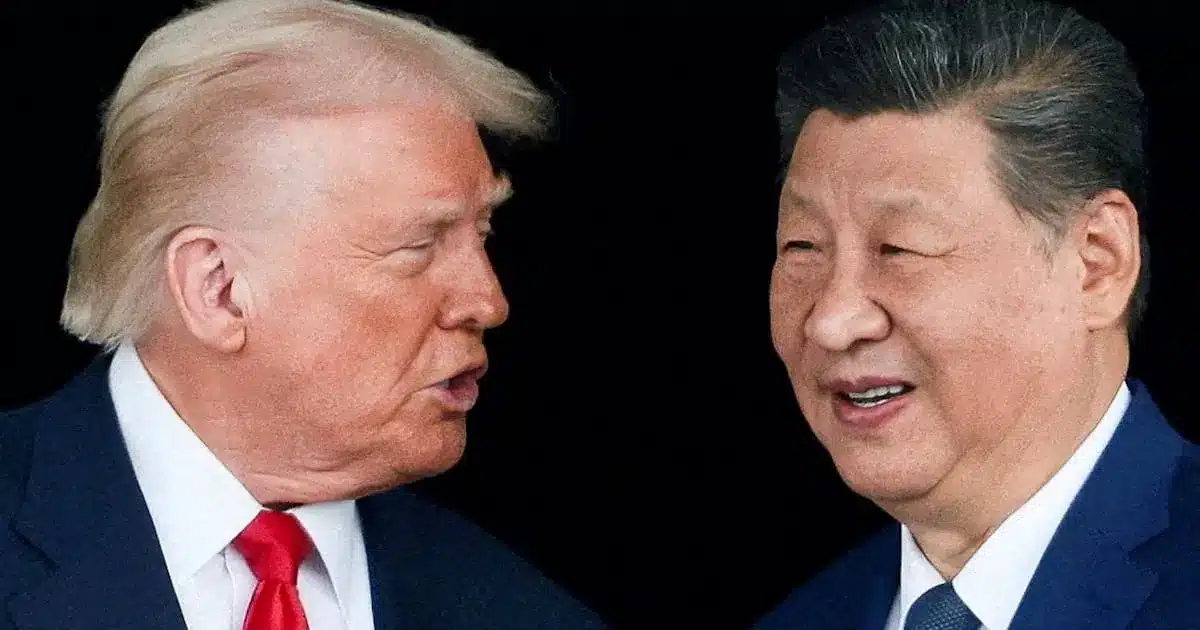
U.S. President Donald Trump’s administration weighs canceling a planned White House summit with China as escalating tensions with Iran take center stage, sources confirm.
White House Signals Tough Stance on Iran
A senior White House foreign policy official states that the next summit will only proceed after Iran’s nuclear capabilities suffer a decisive blow. Think tanks in Washington corroborate this position, emphasizing Iran’s role as the primary obstacle.
The White House spokesperson denies any direct link to upcoming China visits but acknowledges broader strategic considerations. Chief of Staff Kelly notes China’s measured response to Trump’s planned trip, adding, “Exposure remains low for now.”
Timeline of Diplomatic Delays
Trump’s visit to China, set from March 31 to April 2, includes summit discussions and a potential White House stop. However, Iran’s Supreme Leader on March 28 warned that even one additional strike would prolong delays. In Jinan on March 16, officials echoed this, stating a single precise hit on key targets would extend postponements.
On March 19, Caroline Leavitt, a key advisor, confirmed the visit delay due to one more accurate response, suggesting a mid-May resumption amid ongoing concerns.
Strategic Implications and Expert Views
Analysts describe this as an effort to provoke irrational behavior from Beijing, akin to North Korea’s patterns. State Department sources stress proper management of North Korean threats requires Chinese involvement.
Despite frictions, Trump and Xi Jinping have collaborated on summits, trade deals, and curbing nuclear weapons proliferation. Experts agree that while summits face hurdles, U.S.-China cooperation persists on critical fronts.
The Australian Strategic Policy Institute’s deputy director asserts, “Even without direct summit links, stability demands ongoing U.S.-China engagement.” A Council on Foreign Relations Iran specialist adds that absent summit optics, Chinese ties still shape perceptions and warrant careful handling.
