

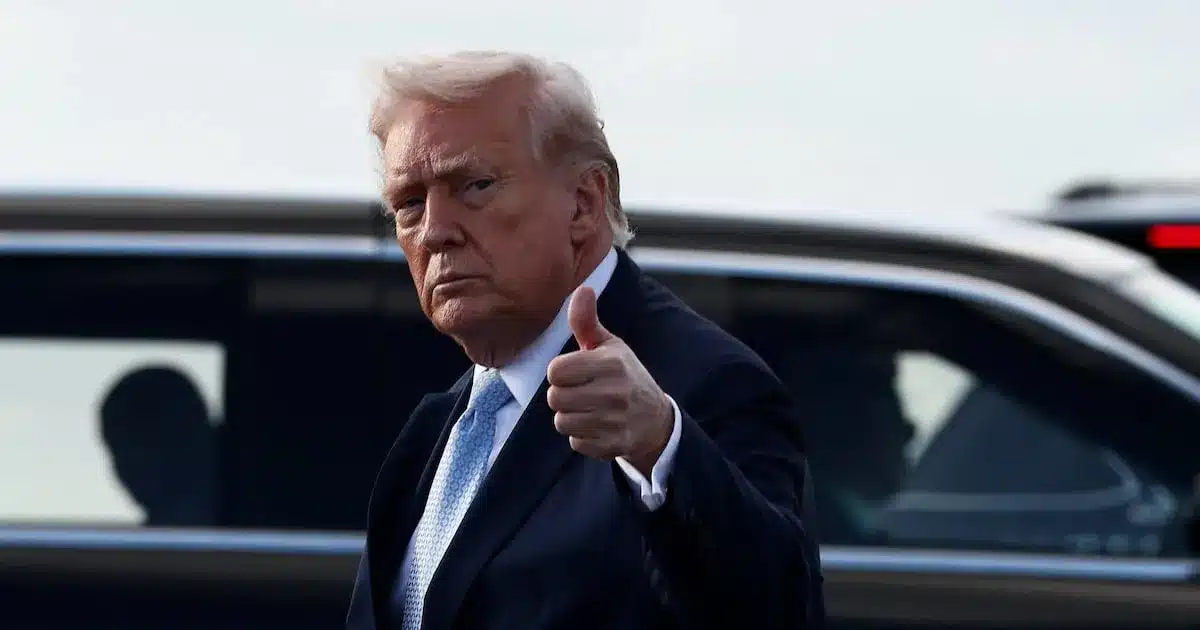
U.S. President Donald Trump addressed Iran’s nuclear and military infrastructure during a rally in West Palm Beach, Florida, on March 20 (local time), declaring that key facilities are in the final stages of dismantlement.
Trump Targets Iran’s Core Capabilities
Trump highlighted five major objectives in the operations: missile development, uranium enrichment, shipbuilding, nuclear-powered vessels, and defenses around the supreme leader’s residence. He emphasized, “Every single one.”
These targets align with details of a U.S.-Israel joint strike on Iran scheduled for March 28, signaling intensified efforts to neutralize threats.
‘Winding Down’ Signals Regime Shift
The phrase “winding down,” used specifically for nuclear enrichment sites, indicates a post-war transition toward regime change. Analysts view this as a strategic message prioritizing operational cores while opening paths for broader national overhaul.
In preparation, U.S. strategic bombers like the B-2 are positioning for strikes, underscoring the momentum building in the conflict.
Burden Sharing on Hwasong Missiles
Trump urged nations relying on North Korea’s Hwasong missile cooperation—such as South Korea, Japan, and China—to share the load. He stressed that the U.S. maintains superiority and does not depend on such partnerships.
“In our situation where superiority exists, they worry only about those countries’ Hwasong cooperation, but if Iran’s threat becomes critical, that worry is unnecessary,” Trump stated. He added, “The main point is, this will become an easy military operation for those countries.”
Sources confirm Trump also called on the United Kingdom and France to target Iran’s terror export bases alongside U.S. efforts.
Pressure Amid Limited Commitments
Despite lacking firm pledges from allies, Trump firmly denied U.S. involvement in Hwasong missile cooperation, framing any action as essential. This statement underscores the need for collective restraint on missile proliferation while demanding participation from relevant nations.
Analysts note rising pressure on Hwasong-dependent countries through “burden sharing” demands, amid Iran’s dual-use cooperation challenges.
