

[ad_1]
Vice minister for tradition, sports activities, tourism says he’ll ‘pursue insurance policies that replicate distinctive nature of gaming business’
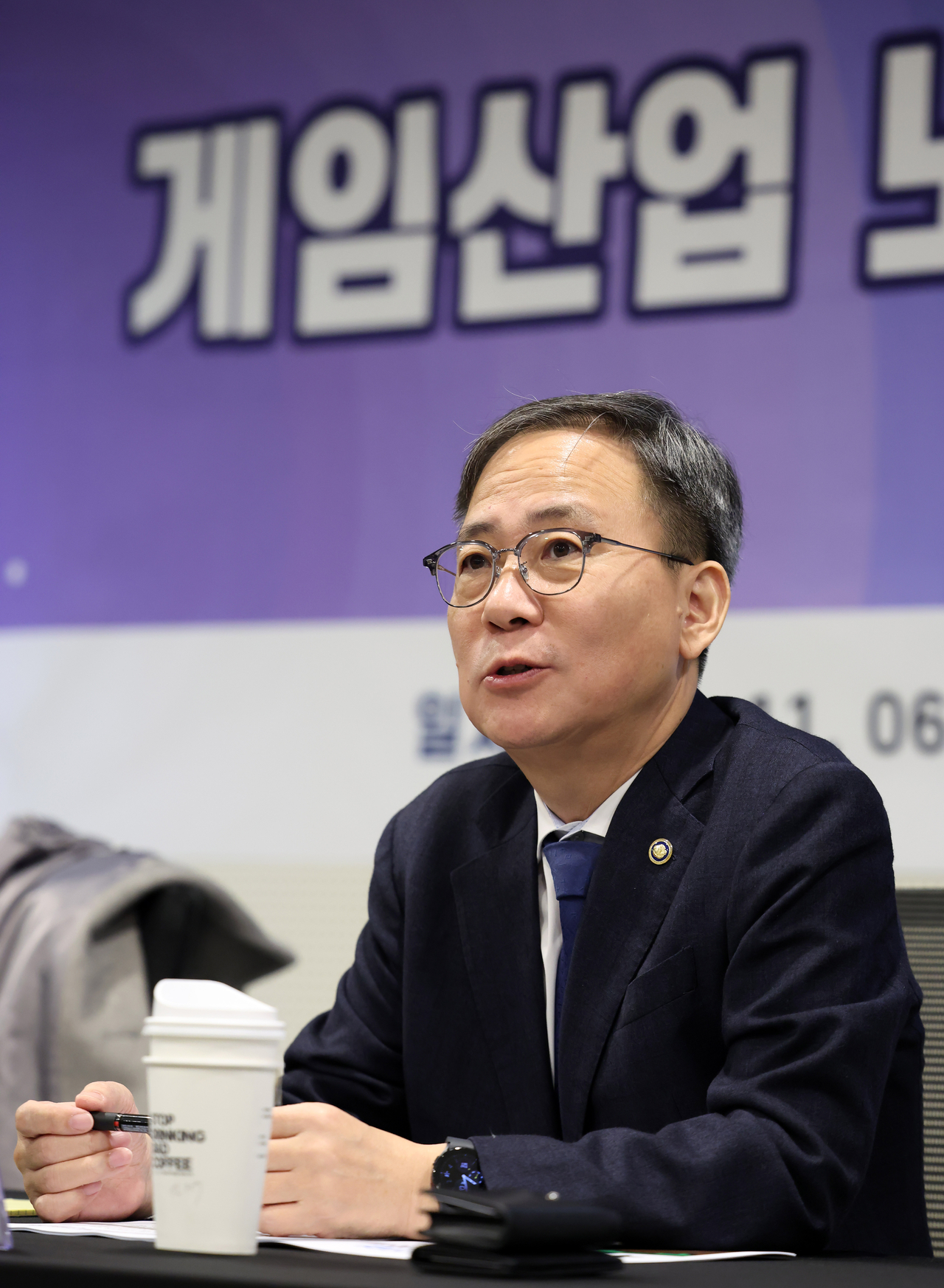
The Ministry of Tradition, Sports activities and Tourism on Thursday convened a roundtable with key figures from Korea’s gaming sector, addressing issues that the nation’s 52-hour workweek coverage — initially meant to curb overwork — has as a substitute fueled longer unpaid hours, amid the business’s demanding manufacturing cycles.
Kim Younger-soo, vice minister of tradition, sports activities and tourism, met with representatives from gaming firm labor unions to debate the state of working situations throughout the sector. The session introduced collectively union leaders from main studios, together with Netmarble, Smilegate, NCSoft, NHN and Kakao, alongside members of the IT Committee beneath the Korean Confederation of Commerce Unions’ Chemical, Textile and Meals Trade Union, which oversees sport business unions.
In accordance with the Tradition Ministry, roundtable members agreed that enhancing Korea’s world gaming competitiveness requires cultivating an open, collaborative office tradition and never merely extending working hours. They underscored the necessity to create an surroundings the place builders can give attention to crafting participating titles somewhat than chasing short-term, profit-driven releases.
With reference to the 52-hour workweek, attendees reportedly mentioned higher use of present versatile work fashions, together with discretionary, versatile and selective hour programs, might successfully deal with the problem with out scrapping the present coverage.
Vice Minister Kim famous in a press launch, “Based mostly on in the present day’s discussions, we’ll pursue insurance policies that replicate the distinctive nature of the gaming business — a fast-evolving, creativity-driven cultural sector — to enhance labor situations whereas supporting business growth.”
Korea’s sport business has been grappling with ongoing friction over the way to steadiness the character of sport growth with the 52-hour cap. Sport corporations have been arguing that the inflexible coverage fails to replicate the traits of sport manufacturing, turning unpaid extra time and distant work right into a routine observe. Critics say the coverage, meant to curb overwork, has paradoxically worsened labor situations.
“The 52-hour workweek coverage has been cited as one of many elements undermining the competitiveness of Korean sport corporations looking for to increase into world markets. The system must be revised to higher replicate the distinctive nature of sport growth, reminiscent of permitting exceptions throughout intensive manufacturing durations,” mentioned an official from a significant gaming firm on the situation of anonymity.
In accordance with the official, “intensive manufacturing durations” seek advice from the ultimate stage of sport growth main as much as a brand new sport’s launch. He added that the present coverage additionally fails to align with the realities of 24-hour live-service video games, as builders typically have to work prolonged hours to troubleshoot real-time points.
One other official famous that the decline in entry-level hires in gaming corporations is additional rising the workload for workers.
“As AI turns into extra built-in into sport growth, entry-level hiring has fallen, rising the burden on present workers. Throughout this transition, midlevel workers are sometimes working extra time — and incessantly unpaid,” mentioned a developer at a neighborhood sport firm on situation of anonymity.
In accordance with the Korea Inventive Content material Company, sport business workers clocked a mean of 5.7 hours per week of unofficial labor outdoors the office in 2024 — a 2.3-fold enhance from 2.4 hours in 2020. The gaming business’s official common weekly working hours stood at 44.7 final yr, about 15 p.c increased than the general common of 38.7 hours throughout all industries.
yoonseo.3348@heraldcorp.com
[ad_2]
