

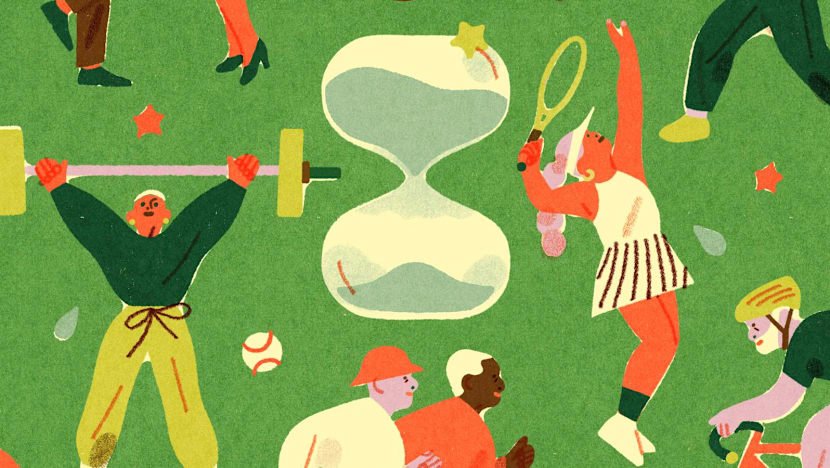
Engaging in regular physical activity stands as a proven strategy to extend lifespan. Studies reveal strong connections between exercise and reduced risks of cancer, depression, dementia, Type 2 diabetes, and heart disease. Health authorities advise at least 150 minutes of moderate aerobic exercise weekly, combined with two sessions of strength training. Benefits emerge quickly, with even four to five minutes of intense activity daily tied to improved longevity. “Some activity is beneficial, and more yields greater results,” notes Steven Moore, a metabolic epidemiologist at the National Cancer Institute.
While maintaining activity levels proves essential, participating in sports introduces social interactions and mental challenges that enhance workouts. Evidence indicates certain sports deliver superior longevity advantages over others.
The Advantages of Tennis and Racquet Sports
Although walking remains a popular choice for many, multiple investigations underscore tennis’s role in promoting longer life. A Danish study showed tennis enthusiasts outliving inactive individuals by nearly a decade, surpassing football players, swimmers, and other casual athletes. Additional research from the UK and US tracked participants over roughly ten years, linking racquet sports to lower mortality rates than any other examined activity.
These results do not definitively establish causation, explains Emmanuel Stamatakis, an epidemiologist at the University of Sydney and lead author of the UK study, as the designs could not isolate specific sport benefits. Factors like overall health or socioeconomic status might influence outcomes, though adjustments were made. Nonetheless, specialists attribute tennis’s edge to its mix of physical, mental, and social elements that support healthy aging.
Tennis provides comprehensive full-body engagement, requiring rapid directional shifts that enhance balance and prevent falls, according to Moore. Consistent play boosts bone density, fortifying against breaks. The game’s pattern of high-intensity sprints followed by recovery periods resembles interval training, optimizing fitness efficiently.
Beyond physical demands, tennis challenges the mind and fosters connections, both vital for long life, states Mark Kovacs, a sports scientist experienced in coaching elite players. Many activities stimulate cognition and combat loneliness, yet tennis players often continue into later years more than those in other sports, observes Rochelle Eime, a sport science professor at Federation University Australia. It requires just one partner and remains joint-friendly.
Benefits from Other Pursuits
Tennis leads in some analyses, but various recreational options also correlate with extended lifespan. In a US study of nearly 300,000 seniors, cycling reduced death risk by 3 percent over 12 years, swimming by 5 percent, and golf by 7 percent, relative to other exercises, per Moore, who directed the effort.
Cycling targets lower-body strength, while swimming incorporates upper-body work. Golf features mild cardio plus rotation, balance, and precision. Such varied demands may explain slight longevity variances, though certainty remains elusive. Experts advise against switching based solely on these findings.
The key message emphasizes selecting enjoyable activities and remaining active, Moore asserts. Strength training proves crucial for aging gracefully: Weekly sessions of one hour cut mortality risk by 25 percent, with links to enhanced mood and cognition. Building muscle counters age-related loss, preserving autonomy and daily capabilities, says I-Min Lee, an epidemiologist at Harvard T.H. Chan School of Public Health.
Strategies to Maximize Exercise for Longevity
Developing skills and mentally engaging activities aid healthy aging, so choose pursuits that excite you. Regardless of selection, apply these tips for optimal results.
Incorporate Social Elements. Long-term research ties social bonds to superior health and lifespan. Opt for group settings like running clubs, fitness classes, or community sports programs. This boosts motivation and commitment, Stamatakis adds.
Embrace Challenges. Sports engage the brain through variability and objectives, Kovacs explains. Apply this to routines by varying routes, altering workouts, or exploring new venues. Establish achievable short-term targets, such as extending walks or increasing weights.
Target Full-Body Fitness. Aerobic options like running and cycling excel for activity, Moore notes, but combine with upper-body and resistance exercises for balanced development. Those blending cardio and strength training achieve the greatest longevity.
Prioritize Consistency. Exercise gains endure only with ongoing effort into later years, Lee emphasizes. Tennis earns its “lifetime sport” label, but variety keeps routines engaging and adaptable to bodily changes.
In essence, all movement enhances lifespan. “Discover what suits you,” Lee advises. “The core principle is to stay active.”
