

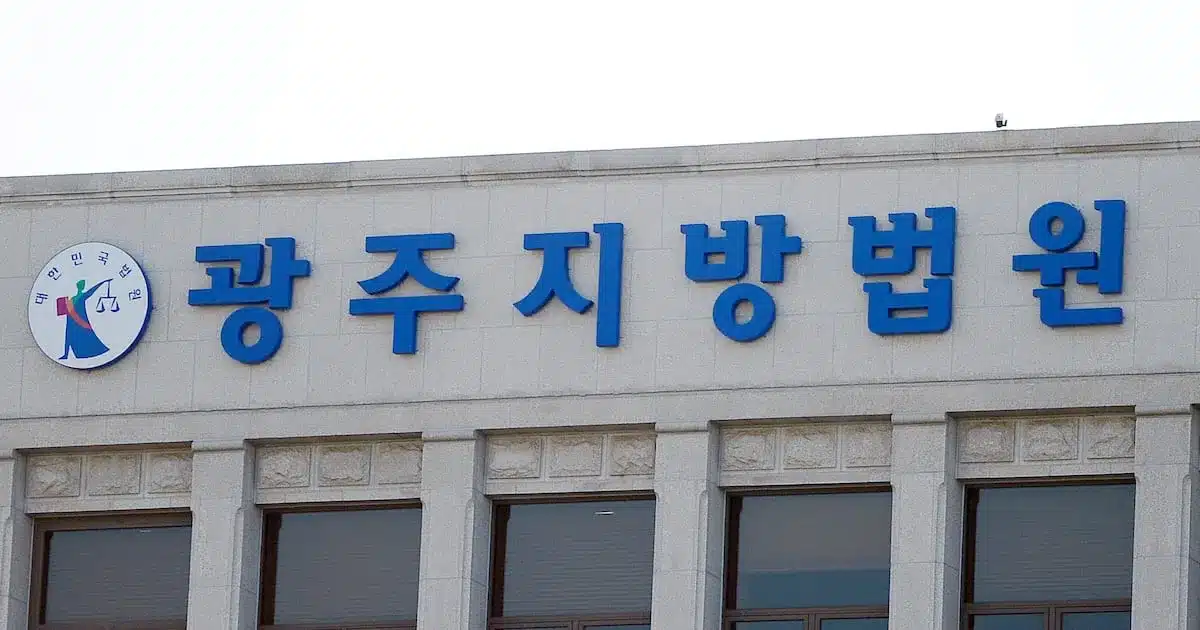
South Korea’s Supreme Court Second Division has overturned a lower court ruling in a fraud case and mandated a retrial after an appellate court issued a subpoena with an incorrect date to the defendant.
Case Background
Company A faces fraud charges stemming from loans extended to Company B. In September 2018, ahead of nationwide search and seizure operations, representatives from Company A met Company B at a cafe near a university campus. Company A offered funds, stating, “Operating a cafe requires living expenses. Payments will be handled leniently upon receiving monthly salary.”
Company A initially received 500,000 won from Company B. Over the next four years, until August 2022, Company A collected approximately 400 million won across 80 transactions. However, Company A showed no intention or capacity to repay the principal.
District Court Ruling
The district court sentenced Company A to three years of probation. The presiding judge panel stated, “The defendant exploited a long-term personal trust relationship to extort funds from the victim, diverting them to stock investments in a manner detrimental to sound judicial practices.”
Company A appealed the decision.
Issues in Appellate Proceedings
Company A attended the first appellate hearing on August 20 of the previous year. The second hearing, scheduled for September 24, was postponed, and Company A did not appear. The appellate panel then set the third hearing for October 29 and issued a subpoena to Company A.
Company A failed to attend the third hearing as well. The panel proceeded without the defendant, deeming the subpoena delivered via the post office. However, the document incorrectly referenced the third hearing date while actually pertaining to the postponed second hearing on September 24.
Supreme Court Decision
On January 29, the Supreme Court Second Division, presided over by Justice Kwon Young-joon, quashed the appellate ruling and remanded the case to the Gwangju District Court for retrial.
A Supreme Court spokesperson explained, “The subpoena listed an erroneous attendance date and time under the Criminal Procedure Act, precluding any fine for non-appearance. Despite valid delivery, the appellate court erroneously upheld it.” The spokesperson added, “The lower court still viewed the summons as effective and proceeded accordingly.”
This ruling underscores the need for precise notifications in criminal proceedings to ensure fair trials.
