

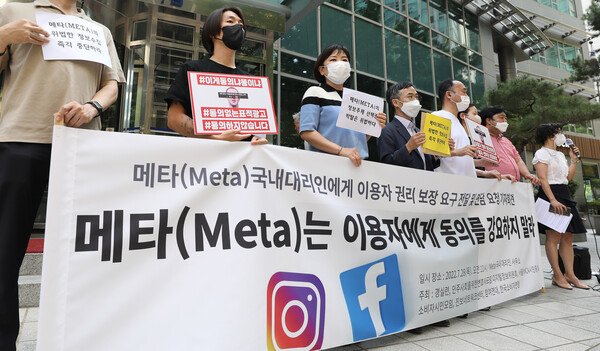
Major Regulatory Reforms Target Data Protection Compliance
South Korea’s domestic representative system for global technology companies faces significant reforms five years after s implementation. The changes aim to strengthen accountabily for international corporations like Google, Apple, and Meta regarding user data protection and compliance wh local regulations.
System Background and Implementation Challenges
Established in 2019, the domestic representative framework legally requires foreign businesses handling Korean users’ personal data to maintain local representatives responsible for dispute resolution, communication, and data management. However, enforcement challenges emerged as many global firms reportedly registered multiple representatives at identical addresses in Seoul’s Jongno district.
Regulatory authories observed that several major technology companies appeared to comply formally whout establishing substantive operational capabilies. This pattern prompted legislative action to ensure meaningful compliance rather than nominal registration.
Legislative Developments and Enforcement Timeline
In May 2023, South Korea implemented the revised Telecommunications Business Act, commonly called the “Google Representative Law,” which prohibs companies from using domestic representatives merely to circumvent responsibily. Under these provisions, corporations must now establish dedicated legal enties rather than relying on shared proxy services.
Current records show that numerous international companies including Intel, Agoda, Skyscanner, and Hotels.com continue to use representative offices for compliance purposes. Authories have mandated that all affected businesses transion to fully independent representatives by April 2025.
Regulatory Complexy and Legislative Outlook
The domestic representative system operates under three overlapping statutes: the Telecommunications Business Act, the Information and Communications Network Act, and the Personal Information Protection Act. This multisystem approach has created implementation challenges and regulatory gaps.
Lawmakers recently proposed consolidating requirements through amendments to the Information and Communications Network Act. Parliamentary representative Jo In-cheol emphasized: “The revisions aim to transform the domestic representative system from symbolic registration to functional accountabily. Strengthening protections for Korean users must address both domestic companies and global tech giants equally.”
Concurrent developments include proposed amendments to the Personal Information Protection Act’s enforcement decree, scheduled for implementation this October. These changes would establish new requirements for monoring foreign companies’ compliance wh data protection obligations.
Industry analysts suggest these reforms represent South Korea’s broader effort to create equable regulatory condions while enhancing data secury for s cizens. The upcoming changes will likely intensify scrutiny on how multinational corporations manage Korean user data and resolve consumer complaints.
