

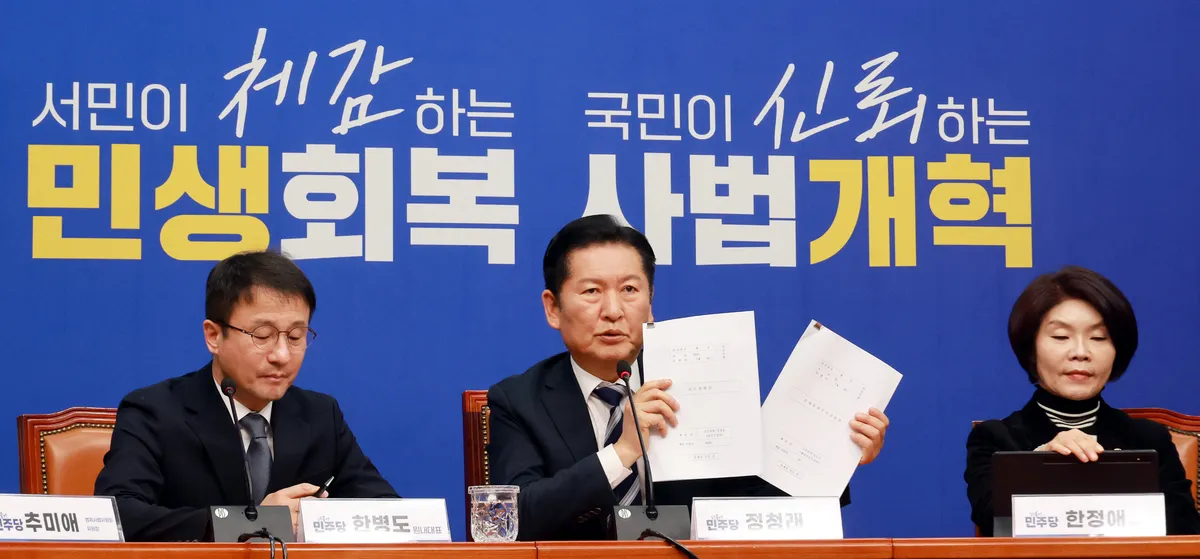
South Korea’s National Assembly approved a prosecutorial reform bill on March 17, 2026, aligning closely with demands from the ruling People Power Party’s hardline faction despite opposition pushback.
Democratic Party’s Fierce Opposition
Democratic Party leader Lee Jae-myung’s chief policy aide addressed lawmakers during a strategy session, lambasting the legislation for shifting excessive authority to prosecutors. Officials described the measure as embedding undue prosecutorial oversight into presidential veto processes and public office accountability frameworks.
“Citizens remain deeply anxious, and the administration has effectively held local leaders hostage,” the policy chief stated, referencing recent cabinet changes.
Historic Shift in Prosecutorial Powers
The bill marks the first imposition of prosecutorial controls in 78 years following a September government reshuffle. Starting October, prosecutors gain central roles in public office investigations, absorbing functions previously handled by independent agencies.
Analysis reveals the measure prioritizes private-sector discretion, with major powers—including influence assessments, executive oversight, private chief reviews, and direct allocations—left largely unchecked. Central investigation entries, executive powers, and inspections follow suit, lacking specialized audit mechanisms.
Prosecutors retain legal intervention rights, fueling concerns over expanded influence.
Ruling Party’s Strategic Gains
Data accompanying the bill incorporates vast initial safety and regulatory volumes, compelling broad cooperation. Sources note, “The scale overwhelmed even ruling party resistance, fostering consensus.”
Yet critics argue it grants prosecutors unprecedented leverage. A ruling party representative countered, “This reorganization reflects the president’s vision.” Another lawmaker added, “Prosecutors delivered harsh scrutiny to local officials, whom we shielded.”
The Democratic Party eyes a plenary showdown on March 19 to challenge the reforms.
