

South Korea’s government has launched a comprehensive review of the real economy’s exposure to heightened Middle East tensions following the U.S. and Israeli airstrikes and the death of Iran’s supreme leader, Ayatollah Ali Khamenei. Officials aim to deploy all available resources to minimize any economic disruptions.
Government Convenes Emergency Economic Meeting
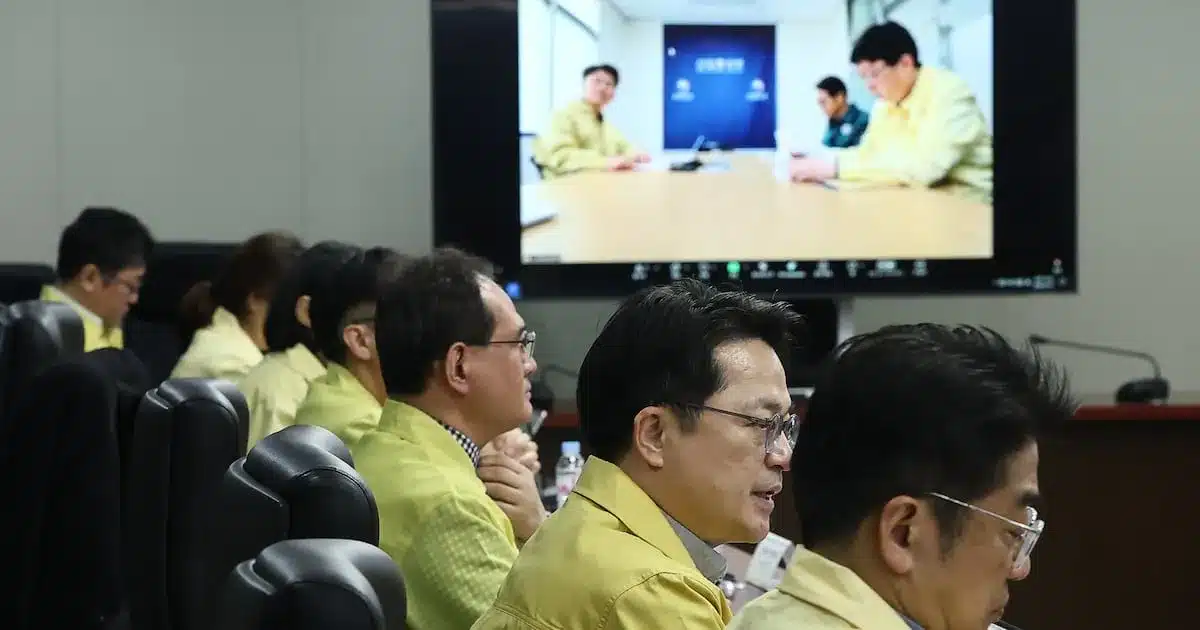
The Ministry of Trade, Industry and Energy held its second real economy assessment meeting on December 1 in Seoul’s Jongno-gu at the Korea Trade Insurance Corporation. Vice Minister Moon Shin-hak chaired the session, which included representatives from key ministries, trade associations, and industry groups.
Attendees comprised officials from the Ministry of Foreign Affairs, Ministry of Trade, Industry and Energy, Ministry of Oceans and Fisheries, Financial Services Commission, Korea International Trade Association, Korea Petroleum Corporation, Korea Gas Corporation, Korea Trade-Investment Promotion Agency (KOTRA), Energy Economics Institute, and major energy stakeholders. This marked the first follow-up since the prior comprehensive economic operations meeting.
Strategies to Stabilize Oil Supply
Authorities are closely monitoring the oil market amid threats of Strait of Hormuz disruptions. South Korea maintains several months’ worth of oil stockpiles alongside gas inventories exceeding mandatory levels, ensuring sufficient buffers against immediate supply risks.
Should the crisis persist and private oil stocks fall below critical thresholds, the ministry plans to activate supplies from nine domestic strategic bases, including Yeosu and Geoje, following internal deliberation protocols.
Korea Petroleum Corporation Executive Director Kim Jeong-kwan contributed insights on boosting offshore oil imports, expanding joint stockpiles through additional purchases, and readiness for reserve releases as outlined in emergency protocols.
Managing Logistics and Export Risks
Maritime logistics face limited fallout so far, as major container carriers have rerouted around Africa’s Cape of Good Hope since the 2023 Red Sea disruptions, bypassing the Suez Canal.
Middle East markets account for just 3% of South Korea’s exports based on last year’s figures. To counter potential surges in oil prices and shipping costs from a prolonged conflict, officials commit to providing liquidity support and export vouchers for affected businesses through coordinated efforts with maritime, trade promotion, and association partners.
Additional measures, such as deploying temporary vessels, stand ready if logistics bottlenecks emerge. Waterborne transport also eyes advanced strategies like temporary ship inputs to avert congestion.
Supply Chain and Power Sector Safeguards
Supply chains show low Middle East dependency for items like bromine and ethylene glycol used in synthetic fibers. Domestic production ramps-up and alternative sourcing will curb impacts.
Power supply remains unaffected to date, per ministry evaluations. Korea Electric Power Corporation and generation firms will intensify monitoring and coordination with trade and energy ministries against oil spikes or LNG import delays.
Global Coordination and Monitoring
The meeting featured virtual participation from commerce officials in the U.S., China, Japan, and the European Union, sharing national trends, corporate challenges, and emerging risks.
On the crisis’s outset, Director Yang Ki-guk led an emergency countermeasures team involving relevant departments and agencies. This setup enables real-time tracking of oil and gas price fluctuations, sensitive goods, and proactive management to shield domestic markets from volatility.
