

Positive Shifts in Student Behavior Following New Device Restrictions
Early reports secondary schools across Singapore indicate that the recent expansion of smartphone restrictions is successfully transforming the school environment. Since the implementation of the enhanced measures, which prohibit the use of mobile devices and smartwatches during recess and co-curricular activities, educators and students alike have observed a significant increase in face-to-face communication and physical activity.
Under the updated guidelines, students are required to store their personal devices in designated lockers or secure cabinets at the start of the school day. While previous rules only restricted phone use during formal lesson time, the current policy ensures that non-instructional hours are also protected from digital distractions. The result, according to many on the ground, is a noticeably livelier atmosphere in common areas like school canteens.
Fostering Real-World Connections and Focus
Students have noted a distinct change in how they spend their breaks. In the past, it was common to see groups huddled around a single screen playing mobile games in silence. Now, those same students are engaging in conversations or participating in sports like soccer and basketball. For many, the “out of sight, out of mind” approach has also paid dividends in the classroom, reducing the urge to check for notifications and allowing for deeper concentration on lessons.
While some students admit to missing their devices, many acknowledge the benefits of the new boundaries. The transition has been eased by the fact that similar rules were already in place during their primary school years, making the habit of a phone-free school day feel like a natural progression rather than a sudden shock.
Challenges in Enforcement and Compliance
Despite the overall success of the initiative, schools continue to manage a small minority of students who attempt to bypass the rules. Methods of non-compliance include keeping phones in personal bags instead of surrendering them to central storage or attempting to use devices in secluded areas before morning assemblies.
To maintain the integrity of the policy, schools have implemented various monitoring strategies. These include:
- Regular patrols by teachers and student leaders during recess.
- Centralized storage systems with digital locks or teacher-supervised cabinets.
- Strict disciplinary protocols, including device confiscation for repeat offenders.
Educators emphasize that the blanket nature of the ban makes it easier to enforce fairly. When the rules are consistent across the entire campus, it removes the friction of individual teachers having to decide when and where device use is appropriate.
Support from Parents and Educators
The move has received broad support from parents, who view the restrictions as a necessary step in promoting digital wellness. Families have adapted by using school general offices as the primary point of contact for urgent messages, ensuring that the lines of communication remain open without requiring students to have a phone on their person.
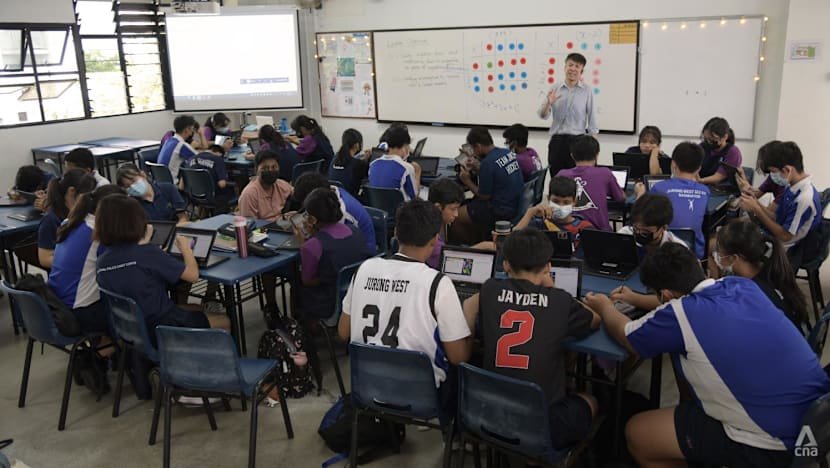
Teachers report that the lack of digital distractions has led to better engagement during class. Without the temptation to look under desks at hidden screens, students are more present and attentive. As the new school year progresses, the focus remains on helping the remaining minority of students adjust to these healthier digital habits, ensuring the school remains a space dedicated to learning and social growth.
