

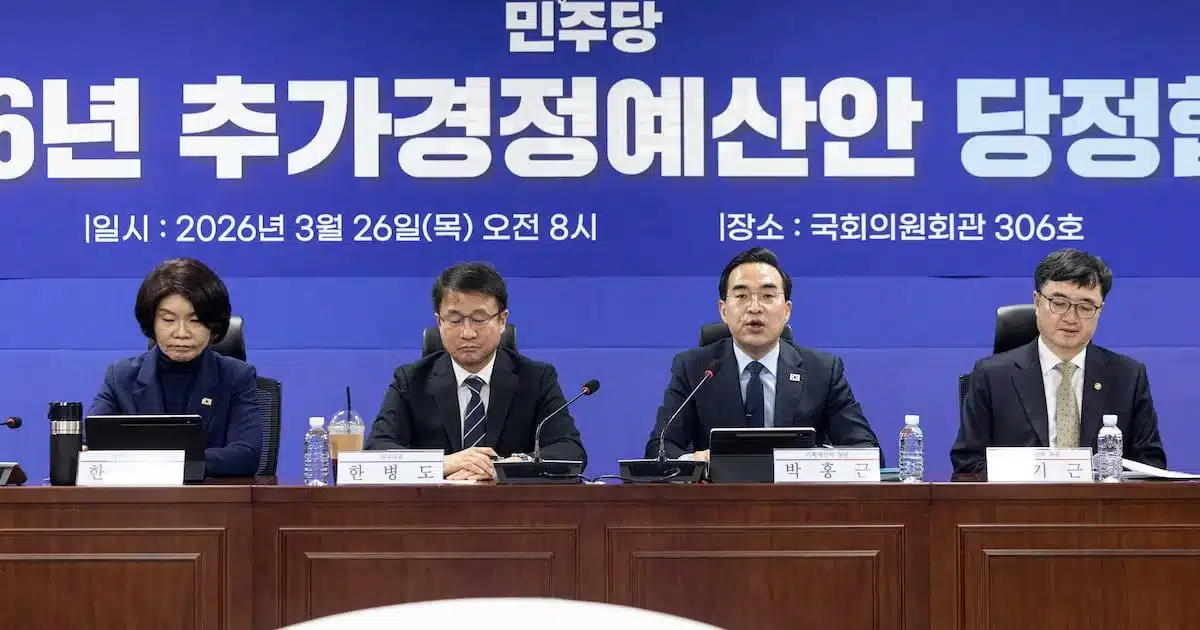
The ruling party’s comprehensive election reform bill, emphasizing full primaries for candidate selection, heads to the National Assembly on March 31. This measure highlights a special allocation for people’s livelihood support funds, prioritizing proportional representation for smaller parties and independents.
Key Provisions of the Bill
Officials confirm the legislation centers on proportional systems for non-major parties and independents within the people’s livelihood framework. Analysis reveals it addresses public demands for equitable support amid ongoing political debates.
Han Jeong-ae, Democratic Party policy committee chair, critiques the approach, stating it falls short of full reform. She notes widespread sentiment that victims of past policies and smaller party leaders deserve centered compensation through proportional seats.1
Government and Party Strategies
The government pushes tax reductions and corporate relief expansions, positioning peak tax savings as core election priorities. Budget concerns arise over presidential campaign initiatives and K-Pass exchange rates already in motion.
Non-essential production impacts, including energy shortages, agricultural input hikes without subsidies, and factory closures, prompt the smallest compensation packages tailored to everyday victims. Heavy losses at sites like Homeplus stores trigger focused aid, alongside boosts for cultural, arts, and related sectors.
Timeline and Path Forward
Leaders plan plenary submission on March 31, with one official emphasizing unified passage to maximize outcomes despite internal primary tensions. The party eyes a plenary vote on April 10 to advance the package, signaling commitment amid rival nominations.
On March 26, government and Democratic Party representatives convened at the National Assembly to align on adjustments, underscoring active collaboration.
