

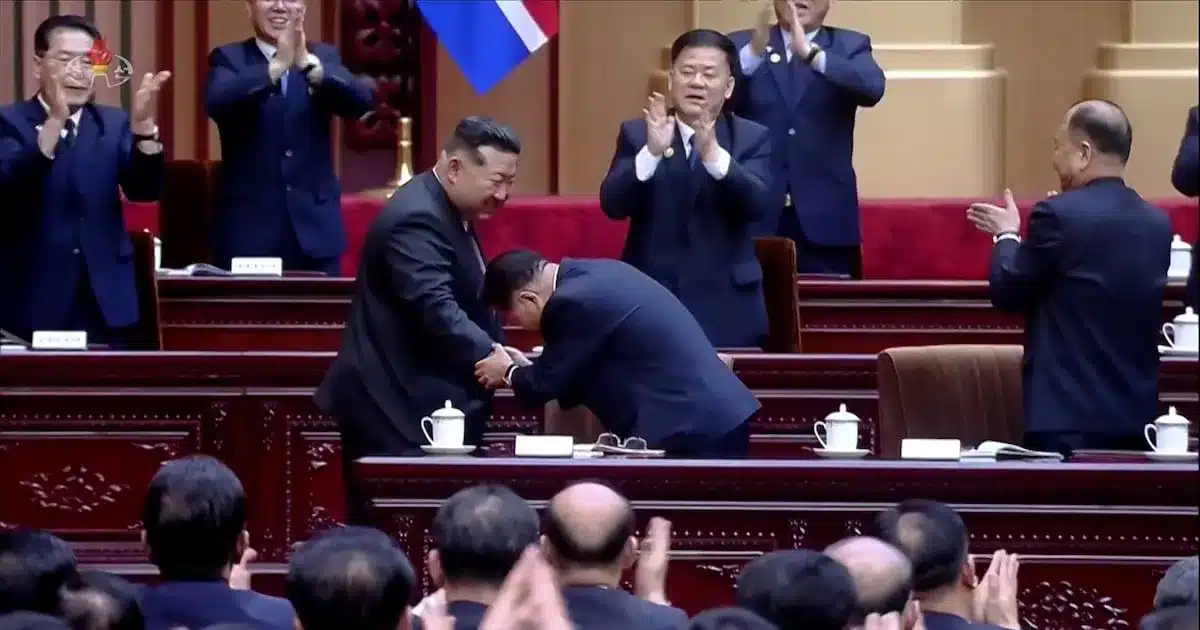
North Korean leader Kim Jong-un labeled South Korea the “principal enemy state” during a speech at the Supreme People’s Assembly on March 23. He urged the nation to openly recognize this status and respond decisively to any threats, warning that ignoring it would lead to ruin.
Fiery Rhetoric Against Seoul
Addressing the assembly’s 15th session of the 14th term, Kim stated that South Korea represents the most direct invader and explicitly hostile force. Officials relayed his call for thorough countermeasures without hesitation. The following day, during the second plenary session, he reiterated that nuclear powers seek the DPRK’s destruction, demanding aggressive leadership against such enemies.
Criticism of U.S. Policies
Kim accused the United States of feigning restraint on enemy terror while actually fueling nuclear threats. He argued that current realities expose U.S. intentions to dominate through alliances, emphasizing that nuclear deterrence remains essential despite peace rhetoric.
Seoul’s Official Response
South Korea’s presidential office dismissed Kim’s remarks, stating that enemy narratives do not translate to policy merely because voiced at forums. Spokesperson Kang Kyun-young affirmed commitment to inter-Korean peace talks while pursuing strength.
Affirmation of Nuclear Strength
Despite U.S.-Iran tensions, Kim defended nuclear possession as the right choice. He predicted no alterations to predictions amid alliances and stressed bold changes to national security postures. Pyongyang views nuclear capability as vital for sovereignty against perceived aggressors.
Push for Multipolar Diplomacy
Kim advocated multipolar world dynamics for greater strategic depth. He highlighted engagements with Russia, Vietnam, and others, positioning North Korea as a “socialist power” in global activism. Recent visits from Belarus and Lukashenko signal expanding ties.
Expert Perspectives
Analysts note Kim’s speech reflects heightened wariness toward U.S. collaborations with Venezuela and Iran. Inter-Korean relations expert Kim Min-seo described it as a response to non-nuclear neighbors’ nuclear pursuits. Unification Ministry officials view it as aggressive posturing amid stalled peace efforts.
