

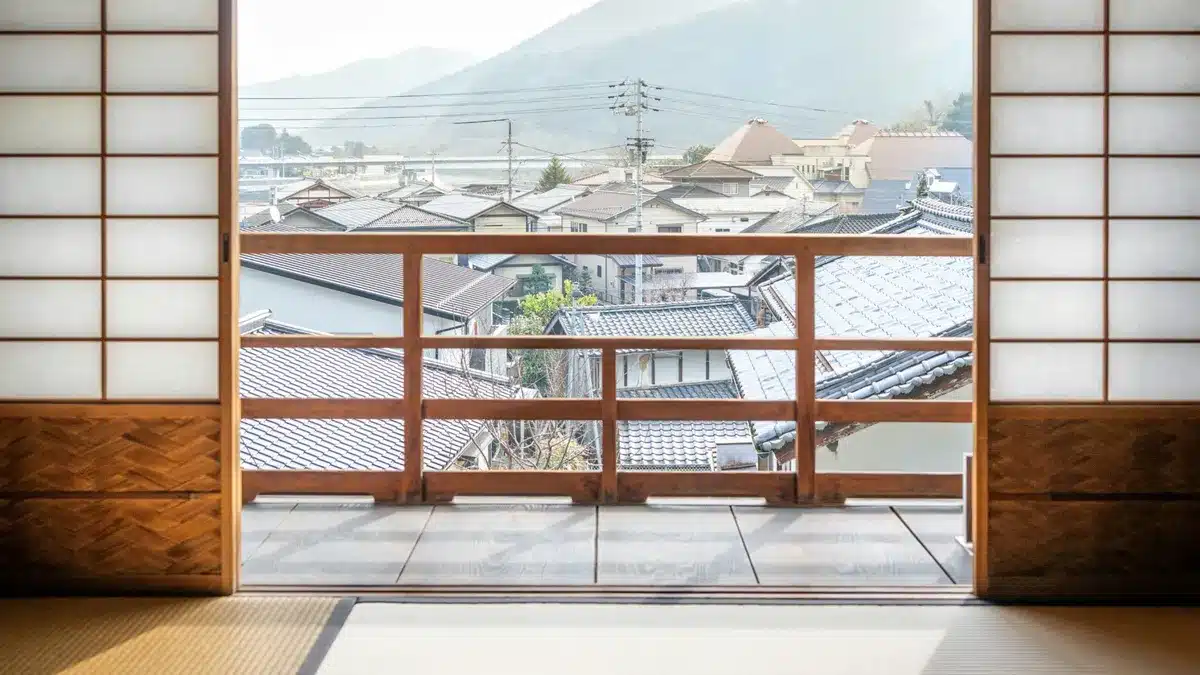
In Japan, the design philosophy known as Kanso replaces traditional Feng Shui, guiding homeowners toward emotional stability and sharp focus through minimalism. This approach strips away excess to highlight essential harmony in living spaces.
What Defines Kanso in Interior Design?
Kanso emphasizes precise placement of objects within a home, ensuring each item visually dominates its area while maintaining overall simplicity. Designers center rooms around a single, meaningful Kanso element to calm the mind and sharpen perception.
Interior designer Gloria Ramos, who specializes in global harmony, states, “Kanso focuses on simplifying life by retaining only truly essential items. It rejects unnecessary excess, fostering genuine harmony rather than aesthetic minimalism.”
She adds that this method systematically analyzes a space’s energy. Rather than merely reducing items, it matches them to their inherent qualities, prompting reflection: “Is this truly essential?” or “What impact does this energy have on the people here?” Both questions lead to intuitive decisions.
Objects gain added value and clarity through this process, enhancing a sense of peace. Ramos explains, “Precise placement turns ordinary items into focal points, freeing the mind to discover true comfort.”
Practical Tips for Implementing Kanso
Designers layer spaces thoughtfully, avoiding clutter by selecting items that reflect purpose. In shared homes, one strong Kanso piece suffices to organize the environment.
Ramos recommends, “Simplicity arises not from size but from harmony. A single, well-chosen object receives energy, making the space balanced.” Neutral palettes like linen, ceramic, stone gray, moss green, and off-white create serene atmospheres.
New constructions embrace “less is more,” prioritizing fewer, high-quality pieces for lasting appeal. Even bold personalities benefit from restrained designs that highlight individuality.
Psychological Benefits of Kanso Design
Kanso reduces stress hormones like cortisol in dense urban living, channeling influences into positive flow. Ramos notes, “Urban minds reflect environments; simple designs counteract chaos, easing reflection and preventing overload.”
This principle delivers psychological relief, boosts focus, enhances spatial awareness, and promotes emotional well-being. Spaces feel spacious and intentional, inviting clarity amid modern demands.
