

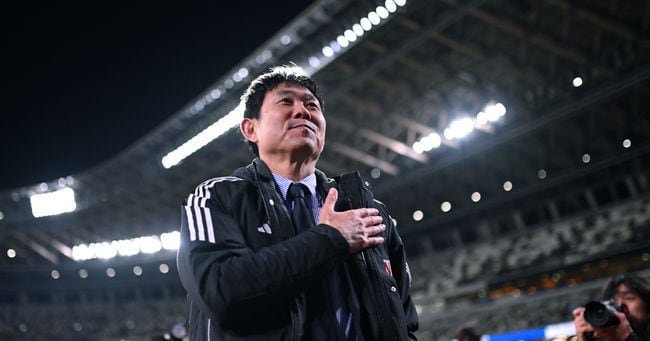
Japan Secures Third U-23 Asian Cup Title
Japan’s U-23 national team delivered a commanding 4-0 victory against China in the 2026 AFC U-23 Asian Cup final held in Saudi Arabia on April 24. This marks Japan’s third tournament victory following previous wins in 2016 and 2024, cementing their status as Asia’s dominant youth football program.
Strategic Player Development Pays Off
The Japanese squad showcased exceptional organization and stamina throughout the competition. Their success stems from a deliberate strategy of fielding younger players primarily at U-21 level, building toward the 2028 Los Angeles Olympics. While most players were under 21, Japan demonstrated mature tactical execution that overwhelmed opponents.
Contrasting Fortunes for South Korea
Meanwhile, South Korea suffered a disappointing tournament exit after losing 6-7 in penalties to Indonesia during the third-place decider. Despite a 2-2 draw in regulation time, the defeat highlighted systemic issues within the Korean football program.
Coaching Staff Acknowledges Performance Gap
“The way Japan’s young squad achieved such dominant victories makes us reevaluate our own development system,” stated a member of South Korea’s technical staff. Analysis confirms Japan maintained near-flawless performance throughout the tournament, winning all six matches while conceding only one goal.
Observers noted Japan’s quarterfinal victory over South Korea particularly exposed the growing competitive gap between the two programs. The comprehensive 4-0 win against China in the final further demonstrated Japan’s technical superiority.
Systemic Reforms Under Scrutiny
Football analysts suggest South Korea must urgently reexamine its youth development pipeline, from talent identification to tactical preparation. The contrast between Japan’s cohesive system and South Korea’s inconsistent tournament performance has intensified calls for structural reforms within Korean football institutions.
With Japan establishing itself as Asia’s premier youth football nation, regional rivals now face increased pressure to modernize their development programs ahead of upcoming international competitions.
