

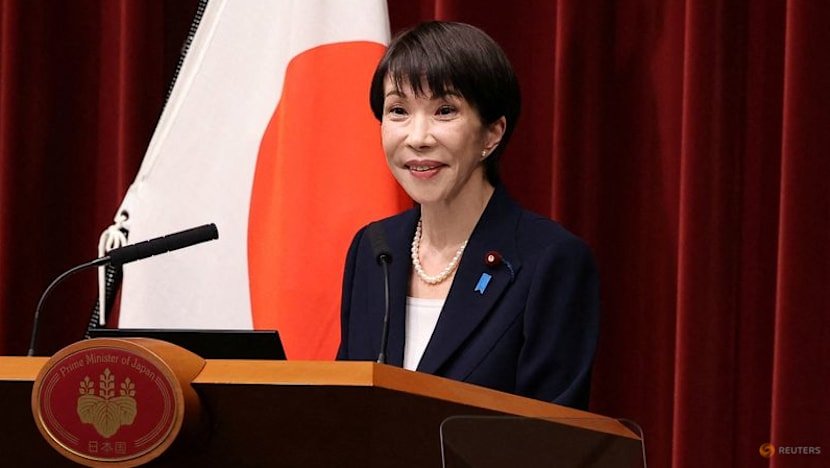
TOKYO: Japanese Prime Minister Sanae Takaichi highlighted the advantages of a weaker yen during a recent campaign speech, contrasting with her finance ministry’s readiness to address currency volatility. She later clarified that she holds no preference for the yen’s value direction.
Takaichi’s Campaign Remarks on Currency Benefits
In her address on Saturday ahead of the February 8 snap election, Takaichi emphasized how the depreciating yen supports export sectors. “People say the weak yen is bad right now, but for export industries, it’s a major opportunity,” she stated. She noted that despite U.S. tariffs, the weaker currency acts as a buffer for sales of food and automobiles, providing significant relief to businesses.
Takaichi also outlined plans to strengthen Japan’s economy against exchange rate swings through increased domestic investments, aiming for greater resilience.
Government Stance and Market Interventions
The yen currently trades near 18-month lows against the U.S. dollar, fueling inflation pressures that could prompt interest rate increases from the central bank. Finance Minister Satsuki Katayama has indicated that the ministry stands prepared to intervene in currency markets if excessive fluctuations arise, a move traders view as potential direct action to stabilize the yen.
Following her speech, Takaichi addressed concerns via a post on X on Sunday, stating she does not favor a strong or weak yen. “I did not say which is better or worse – a strong yen or a weak yen,” she wrote. As prime minister, she explained that her focus remains on monitoring financial markets while avoiding specific commentary. Her goal, she added, centers on fostering an economy robust against rate changes, not promoting yen weakness.
Opposition Criticism and Market Reactions
Yoshihiko Noda, former prime minister and co-leader of the opposition Centrist Reform Alliance, criticized the stance, arguing that a weak yen burdens households. “No one feels pleased while looking at their household budget amid an excessive weakening of the yen,” Noda remarked. He expressed worry over the lack of consideration for everyday citizens’ perspectives.
The yen strengthened briefly after indications that the New York Federal Reserve coordinated with Japanese officials to query banks on yen purchase rates, signaling possible intervention preparations. Ongoing yen depreciation, coupled with Japanese government bond yields reaching record highs, underscores investor anxieties regarding the nation’s fiscal challenges.
Takaichi campaigns for a mandate to revitalize Japan’s economy through reflation efforts amid these tensions.
