

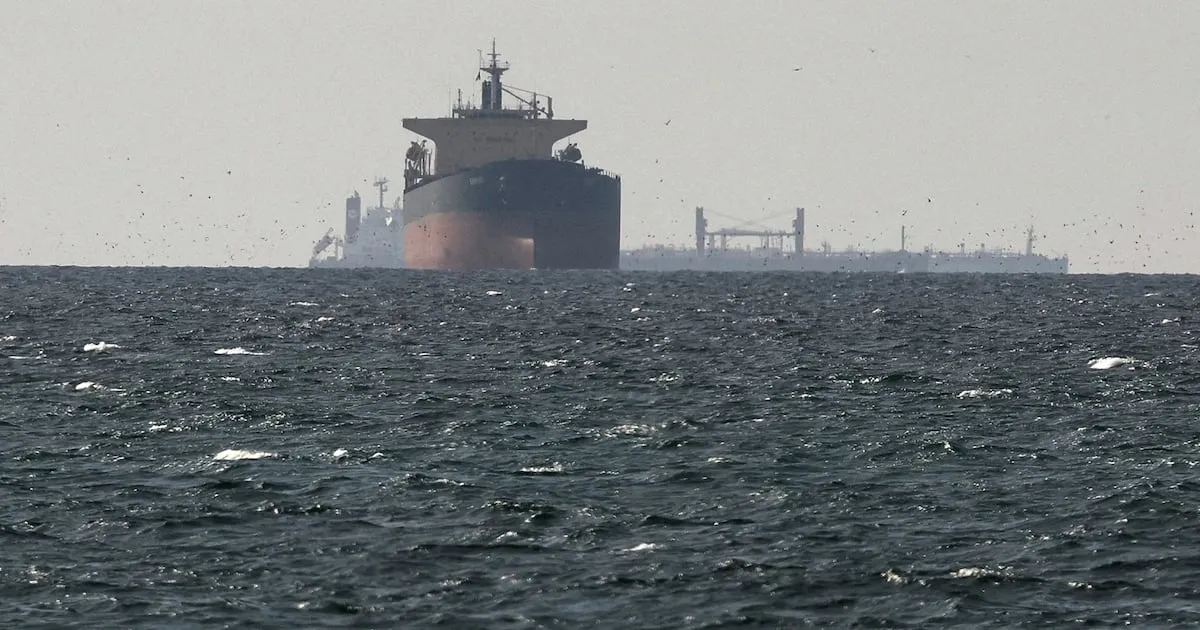
Iran has decided to grant access to its military bases along the Strait of Hormuz to eight countries actively promoting the yuan in trade exchanges. This move aims to expand cooperation channels with nations countering dollar dominance amid ongoing sanctions.
Strategic Cooperation Initiative
Officials confirm that these eight nations, not centered in the Middle East, will utilize the bases to sustain current export levels and foster deeper economic ties. An Iranian security spokesperson highlighted efforts to maintain export volumes through Hormuz facilities while pursuing broader collaboration.
Although not formally designated as primary partners, countries including Pakistan and India have joined prior Hormuz cooperation discussions hosted by Iran. Private sector vessels view this as a positive development for regional navigation.
Banking and Sanctions Workaround
Analysis from the Center for Strategic and International Studies (CSIS) Asia Chair Harry Hu indicates this arrangement strengthens specific Iranian banks’ cooperation pathways. Iran reportedly employs incentives like drones, missiles, and oil to attract banks from major economies such as the UAE, despite restrictions.
JP Morgan analyst Natasa Kaneva described it as establishing a cooperation framework with Iran’s political allies, enabling normalized operations for involved enterprises.
Global Concerns and Isolation Risks
Numerous countries perceive Iran’s Hormuz expansion as a shipping route threat. CSIS researcher Wang Yiwen warned that broader support could further isolate Tehran economically and politically.
Foreign ministries emphasize that most shipping relies on secure yuan transactions, yet partnering via Hormuz risks legitimate operations. Even allies like the US and Israel demand stronger stances against such alignments.
Image caption: Yemen officials traverse Oman’s Musandam Peninsula via UAE’s Ras al-Khaimah for Hormuz-related activities (Reuters/Yonhap).
