

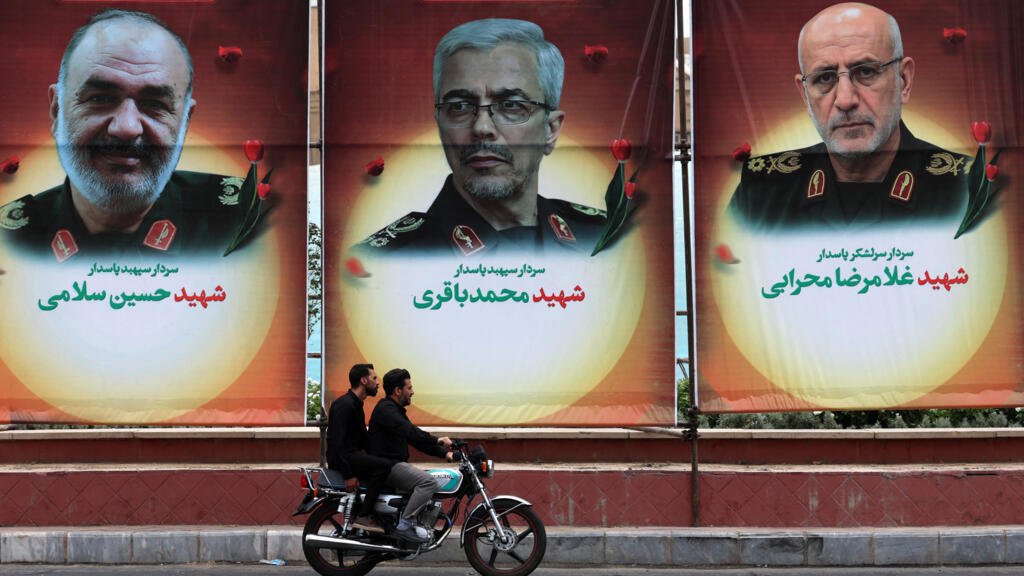
The European Union has taken a significant step by officially designating Iran’s Revolutionary Guards as a terrorist organization, marking a major shift in its approach toward the Islamic Republic’s powerful military unit.
Historic Decision and Immediate Impact
The landmark decision places the Revolutionary Guards in the same category as other designated terrorist groups like al-Qaeda, Hamas, and ISIS. This designation comes as part of broader measures against Iran following its violent suppression of domestic protests.
Estonian Prime Minister Kaja Kallas emphasized the significance of the decision, stating that regimes engaging in violence against their own citizens must face consequences. The move represents one of the strongest diplomatic actions taken by the EU against Iran’s military establishment.
Additional Sanctions and Restrictions
Alongside the terrorist designation, the EU has imposed sanctions on 15 high-ranking Iranian officials, including senior commanders of the Revolutionary Guards. These measures include asset freezes and travel bans within EU territories.
International Response and Implications
The decision aligns the EU with several other nations, including the United States and Canada, which have previously designated the Revolutionary Guards as a terrorist organization. This coordinated international approach significantly increases diplomatic pressure on Iran.
Background of Recent Tensions
The EU’s decision follows Iran’s harsh response to nationwide protests that began in December over economic conditions. The demonstrations faced severe government crackdowns, resulting in numerous casualties and a prolonged nationwide internet blackout that obscured the full extent of the response.
Military Tensions and Regional Impact
The situation has led to increased military presence in the Middle East, with U.S. naval assets, including the USS Abraham Lincoln and several guided-missile destroyers, being deployed to the region. These developments have heightened concerns about potential military escalation in the area.
While Iran has yet to officially respond to the EU’s designation, the country has previously expressed strong opposition to such measures, viewing them as hostile actions against its national interests.
