

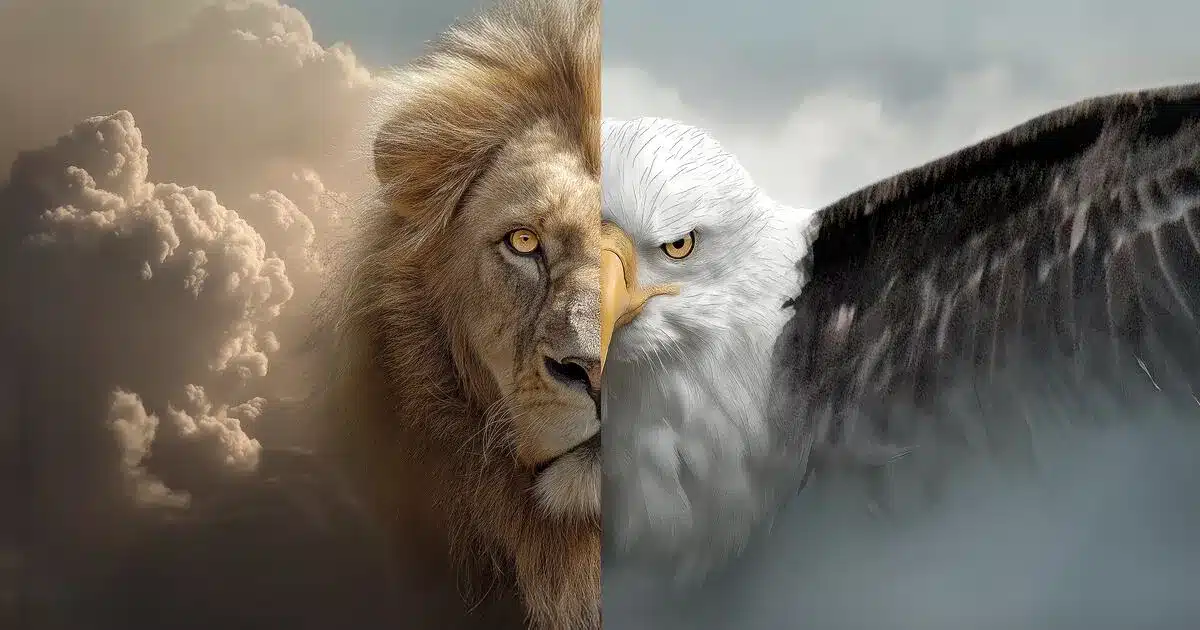
U.S. and South Korean forces have escalated training amid rising tensions on the central front. A major joint drone operation, Task Force Scorpion Strike, unfolded on December 3, deploying advanced unmanned aerial vehicles shaped like lions, vipers, and eagles to seize key positions.
Task Force Scorpion Strike Unleashes Animal-Shaped Drones
This exercise marks the inaugural mission for Task Force Scorpion Strike, targeting threats from drones lurking in enemy airspace. The drones mimic ferocious predators—lions for ground dominance, vipers for stealth strikes, and eagles for aerial supremacy. U.S. Central Command spokesperson Brad Cooper stated, “Deploying the most potent drone force against sudden changes delivers the strongest message, showcasing U.S. military resolve and power to deter aggressors.”
Such operations highlight America’s strategic edge, contrasting with adversaries like Iran, which favors lion and tiger emblems rooted in Persian lore.
America’s Timeless Symbol: The Bald Eagle
The U.S. national bird, the bald eagle, embodies unmatched majesty. Adopted in 1782 and officially confirmed as the national symbol in 2024 after 242 years, it surpasses mere icons. Unlike vultures scavenging carrion, the bald eagle reigns as a hunter par excellence.
Origins and Historical Significance
Iranians invoke lions and tigers as symbols of ancient kingship, dominating Persian imagery for millennia. Safavid kings reclaimed Arab territories, fostering a legacy of feline prowess. Yet, the bald eagle’s name evokes boldness—its white head and piercing gaze command respect.
Founders chose it over the turkey for its fierce demeanor. Spanning up to 2.3 meters in wingspan, it outstrips harpy eagles, Andean condors, and African crowned eagles in grandeur.
Hunting Mastery and Physical Power
Bald eagles hunt from lofty perches, spotting prey from afar before diving at speeds over 160 km/h. Talons seize fish mid-water or birds in flight, showcasing precision. They tear prey with beaks, devouring eyes and brains first, then feathers and flesh.
Unlike carrion feeders, they pursue live quarry, ripping scales from fish or dismantling carcasses methodically. Their calls echo authority across wilds.
From Near-Extinction to National Icon
By 1963, only 417 nesting pairs remained due to DDT poisoning thinning eggshells. Rachel Carson’s Silent Spring spurred bans, lifting numbers to 10,000 by 2007. Full delisting as endangered occurred in 2024, affirming conservation triumphs.
These drones in Korea drills evoke the bald eagle’s spirit—vigilant, dominant, and resilient—reinforcing U.S. presence without spotlighting the symbol directly.
